



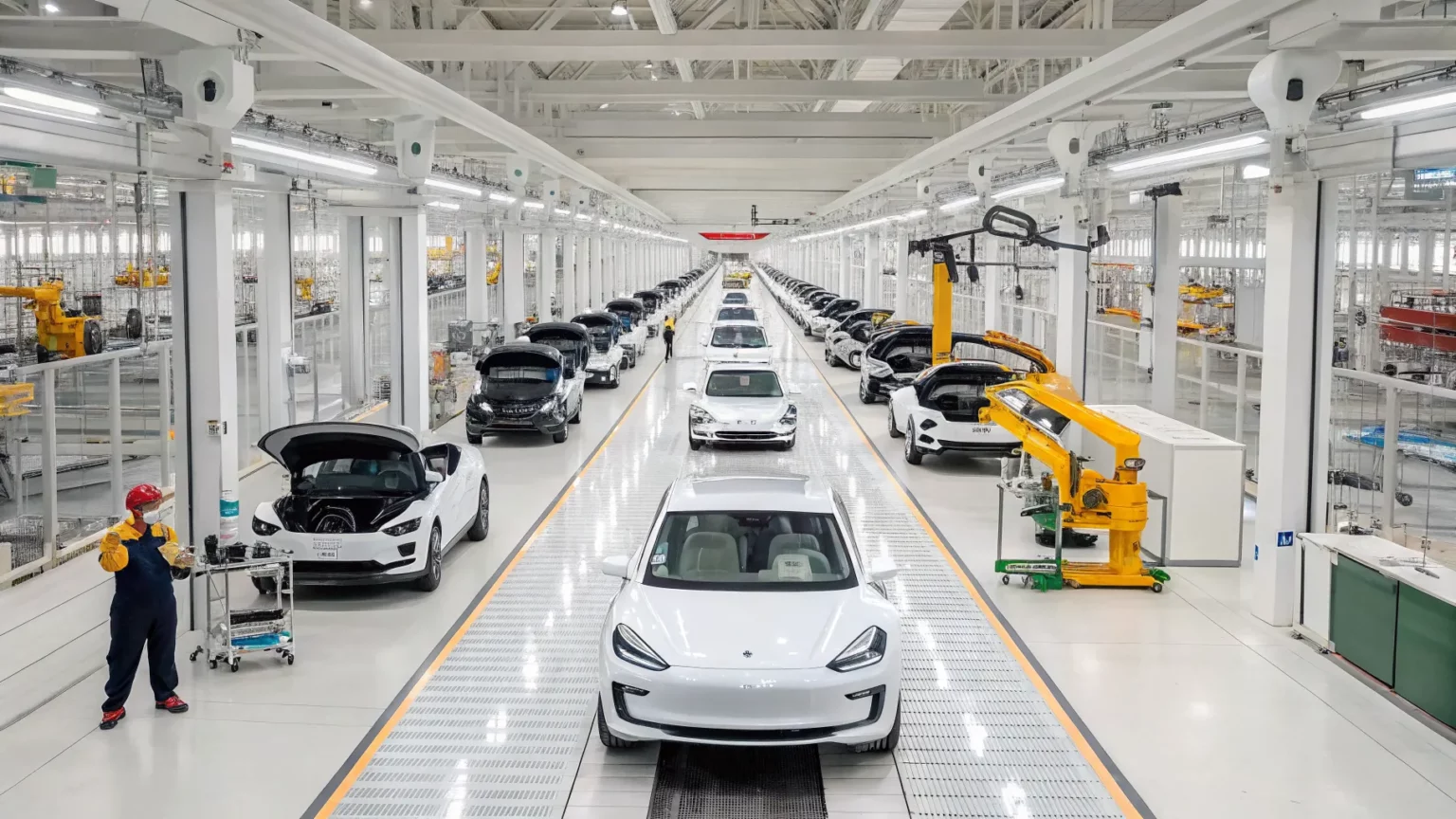
China’s electric vehicle factories are setting the pace for the auto industry, a finding brought into sharp focus by a recent media visit that spotlighted the scale and speed of production. The trip highlighted how factory networks, suppliers, and software teams in China are shaping what gets built and how it reaches buyers worldwide. The report raises urgent questions for automakers, workers, and policymakers from Europe to North America.
“The BBC visited China’s EV factories and found they are dominating the ecosystems shaping the global auto industry.”
China is now the largest market for electric cars. It is home to high-volume carmakers and major battery producers. The country’s supply chains are tightly linked, from raw materials and cells to final assembly and software integration. That scale helps companies launch models quickly and price them aggressively.
How China Built an EV Edge
The country invested early in batteries, charging, and manufacturing capacity. Local governments encouraged production clusters, which drew in parts makers and engineers. Over time, strong domestic competition accelerated improvements in cost and quality.
Global firms also set up large plants in China to serve both domestic and export demand. Shared suppliers and logistics networks reduced costs and shortened timelines. The outcome is a dense industrial base that can pivot faster than many rivals.
Industry analysts point to three reinforcing factors:
- Low-cost, high-volume battery production close to final assembly.
- Rapid model cycles that respond quickly to consumer trends.
- Tight integration of hardware, software, and electronics.
Price Pressure and Market Shifts
China’s scale places strong price pressure on competitors. Lower sticker prices have widened access to electric cars in many export markets. That shift forces global automakers to cut costs, retool plants, or seek partnerships to match pricing.
Suppliers feel the squeeze as well. Electronics content in EVs is rising, and Chinese firms are strong in batteries, motors, and power electronics. Automakers outside China must decide whether to source more parts from these firms or invest heavily to localize alternatives.
Trade Policies and Industry Responses
Governments are responding with tariffs and investigations. The United States raised tariffs on Chinese-made electric cars in 2024, citing industrial policy and supply chain risks. The European Union launched an anti-subsidy probe and is weighing its own measures. These steps could reshape trade routes and pricing in the near term.



Automakers are adjusting strategies. Some are accelerating battery joint ventures at home to secure local supply. Others are rethinking model lineups, software platforms, and dealership plans to keep costs in check while adding features that buyers want.
Technology Standards and Software Stakes
The report highlights an ecosystem effect, where battery formats, charging standards, and vehicle software spread quickly once they scale. That can push the market toward a few dominant approaches. Car companies that miss those turns may face higher costs or compatibility gaps.
Software is now central. Over-the-air updates, driver assistance features, and in-car apps can differentiate vehicles. Chinese teams often iterate these features rapidly. Rivals will need to match that pace or risk losing buyers drawn to fresh features and frequent updates.
Jobs, Consumers, and the Road Ahead
For workers, the shift to electric drivetrains changes the mix of skills in factories. Fewer moving parts in motors can reduce some traditional roles, while battery assembly and electronics gain importance. Training and plant upgrades will be critical in regions seeking to retain jobs.
For consumers, more competition can mean lower prices and faster feature rollouts. It can also mean uncertainty if tariffs change or if service networks struggle to keep up with imports. Clear standards and service support will matter as EV adoption grows.
What to Watch Next
Key signals include tariff decisions in major markets, the pace of new battery plants outside China, and partnerships that share costs and technology. Also watch charging build-outs, which can shape buyer confidence as vehicles get cheaper and ranges improve.
The recent reporting trip made one point plain: China’s EV machine is moving fast, and it is influencing decisions far from its factory gates. The next phase will test whether rivals can close cost gaps, whether policymakers stabilize trade rules, and whether suppliers can scale new plants on tight timelines. The answers will set the path for prices, jobs, and technology in the global auto market.