




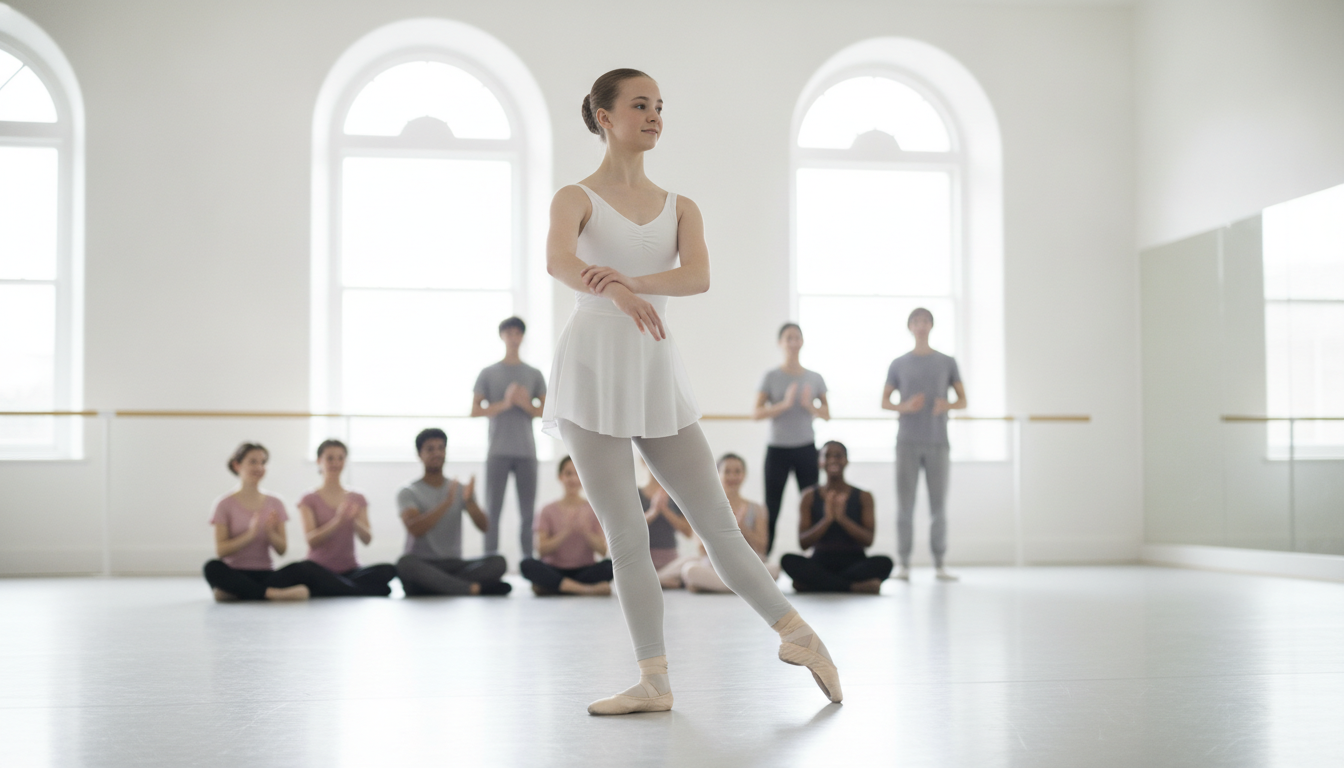
A 16-year-old dancer is learning to move again after a brain tumor diagnosis and a surgery that left her unable to use the left side of her body. Danielle Andersen’s push to return to the studio has become a quiet rallying point for those who see recovery not as a finish line, but as a daily practice.
Andersen learned of the tumor after seeking help for what began as “a persistent headache.” Complications in the operating room changed everything. She woke up “paralyzed on her left side,” and her life shifted from rehearsals to rehab. Months later, she is back to basic steps, meeting each small win with steady resolve.
From Studio Spotlight to Hospital Halls
Brain tumors in teenagers are uncommon, and outcomes vary widely based on type, location, and timing of treatment. For dancers, whose training wires movement to rhythm and balance, sudden paralysis is a direct hit to identity as much as to muscle.
Doctors often call the first months after surgery the most important for retraining the brain’s pathways. For Andersen, that meant trading pirouettes for ankle lifts, mirrors for parallel bars, and choreography for repetition. The goal was simple and demanding: regain strength, restore balance, and rebuild trust in her body.
“A persistent headache” led to testing. Surgery followed. She woke up “paralyzed on her left side.”
Family and friends watched the fast world of teenage life slow down to the rhythm of rehab sessions. The return to school, social events, and dance had to wait while she relearned how to sit, stand, and step.
The Steady Grind of Rehabilitation
Rehabilitation after neurosurgery is rarely linear. Setbacks are common. So are plateaus. Therapists often adapt routines to spark progress when the brain seems stuck. For dancers, muscle memory can be a help and a hurdle: the mind remembers how a turn should feel, but the body can’t yet deliver it.
Andersen’s work focused on motion on her left side. She practiced isolation drills to wake dormant muscles and endurance sets to keep them firing. She practiced gait training to even out her stride and balance drills to tame dizziness. Small changes—lifting a toe, holding a pose for a few seconds longer—became markers of success.
- Relearning weight shifts without relying on the right side
- Rebuilding core strength to stabilize the spine
- Re-training fine motor control in the foot and hand
Every repetition served a purpose. The body was re-drafting instructions to match a changed brain. For a teenager used to pushing past aches and fatigue, learning when to stop was as important as learning how to move.


Returning to the Floor
Slowly, Andersen has inched back into dance class. She begins with basics: pliés at the barre, simple port de bras, and careful steps that test balance. She marks combinations with her right side while the left follows at its own tempo. Instructors adjust choreography so she can participate without risking injury.
The arts community often circles around its own. Peers cheer when she hits a position cleanly. Instructors cue smaller goals, like completing a phrase without support or holding relevé for a single count. Each class is both practice and progress report.
Her doctors remain measured about the road ahead. Improvement can continue for many months, even years, as the brain learns new routes. The destination is not a perfect return to the past. It is a confident, safe, and expressive way forward.
Why Her Story Matters
Stories like Andersen’s highlight the space where medicine meets motivation. They also show how early symptoms, like a stubborn headache, should be taken seriously in young athletes. Quick evaluation can change treatment options and outcomes.
Her experience adds to a broader conversation about access to rehabilitation for teens. Intensive therapy is time-consuming and costly. Families often juggle school schedules, transportation, and insurance rules while trying to keep hope intact. Community programs and school accommodations can make a difference when progress requires months, not days.
What Comes Next
Andersen’s path back to dance is guided by caution and courage. Each week adds a fraction of strength, control, and trust. The milestones ahead are clear: fuller range of motion, better symmetry, longer stamina, and, eventually, confidence in performance settings.
Her next steps will likely include modified routines, cross-training to protect joints, and targeted therapy to smooth out uneven movement. For now, the goal is simple and strong: keep showing up, and keep moving.
If her recent gains hold, she will not be returning to the stage she left. She will be stepping onto a new one—built from rehab notes, careful practice, and a teenager’s refusal to sit still for long.