




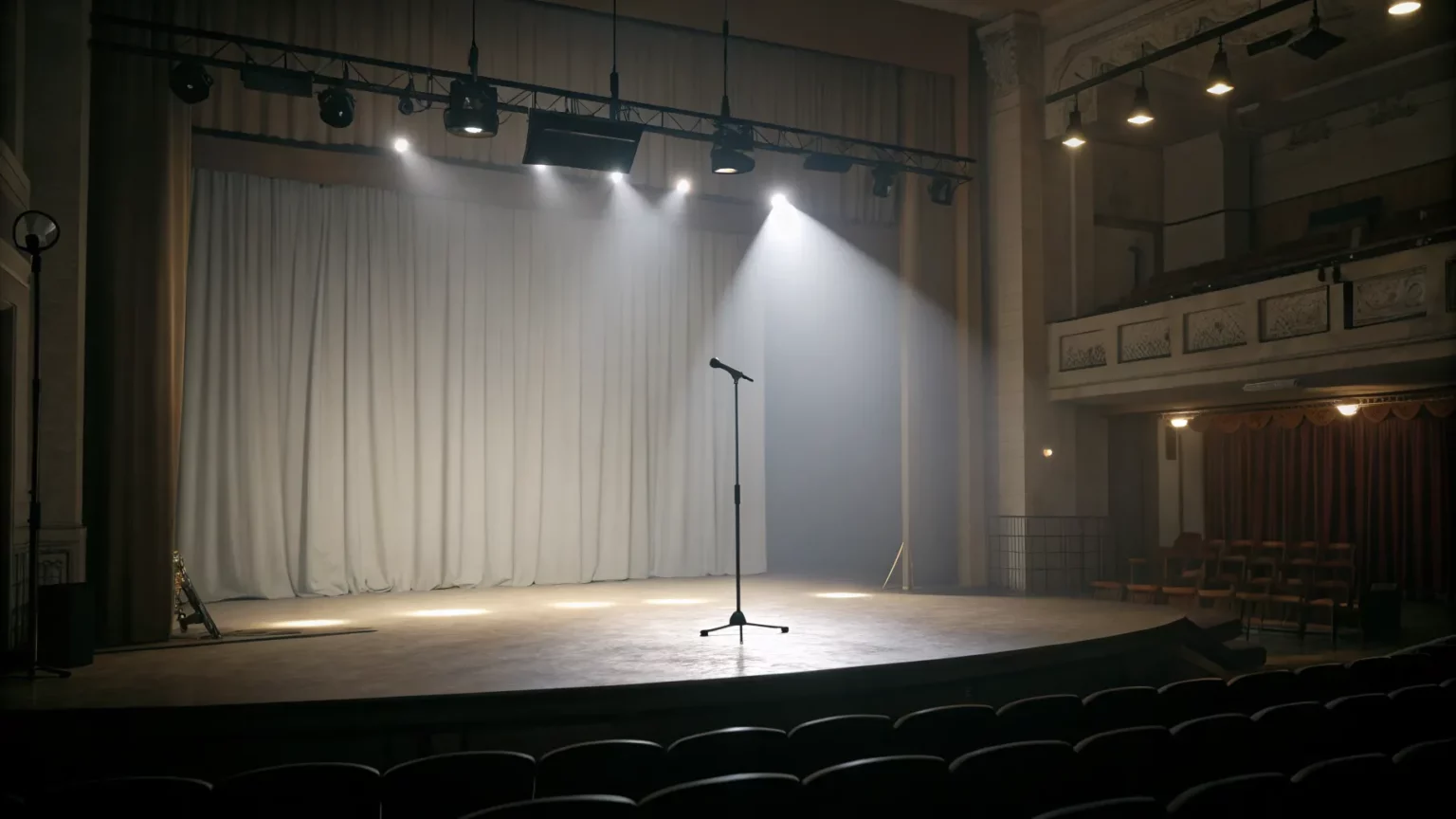
An experimental stage show is rolling the dice nightly, inviting a new performer to step into the spotlight with no rehearsal and a script they have never seen. The project, staged in an intimate venue and running on a weeknight schedule, aims to trade polish for surprise, giving audiences a different story flavor every time. Organizers pitch it as a high-wire act designed to test instinct, timing, and trust between artist and audience.
The core premise is simple, and bold:
“The experimental performance has a different actor appear each night, who will be encountering the script for the very first time.”
That single rule shapes everything, from pacing to tone, and no two shows are alike.
What Sets This Format Apart
Traditional theater depends on weeks of rehearsal, detailed blocking, and a fixed cast. Here, the preparation shifts to the page. The script must carry both story and stage directions for someone seeing it live, under lights, with hundreds of eyes watching. The performer’s craft is still front and center, but it is a form of guided discovery rather than memorized execution.
Audience members often describe a shared sense of risk. Laughs arrive in unexpected places. Pauses stretch as the actor studies the next line. Moments of stillness feel charged, not empty. The show becomes a joint exercise in patience and curiosity.
How The Actor’s Blind Read Changes The Room
Cold reading demands focus and clear choices. Without rehearsal, the performer must manage breath, pacing, and sightlines while scanning for cues. Props, if any, have to be self-explanatory. Stage management becomes a silent partner, ready to nudge with lights, sound, or a pointed page number.
That pressure can produce unusually honest beats. A laugh that breaks, a surprised gasp, or a quick aside becomes part of the texture. The fourth wall bends but does not break. When it works, the audience gets both story and process, like watching a magician explain the trick while still landing the reveal.
Why The Idea Resonates Now
After years of on-demand entertainment, there is fresh appetite for shows that feel unrepeatable. Comedy has long leaned on improvisation. Theater, too, has a history with surprise casting and live experiments. This format borrows from both while keeping a firm script at its core.
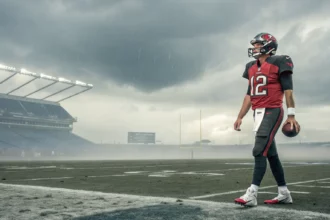
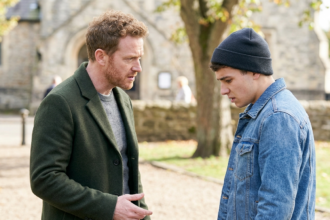
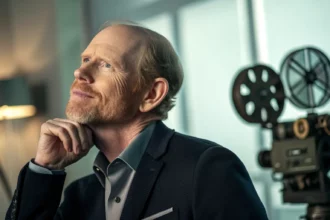
Producers say the rotating cast helps reach different fan bases. One night may draw TV watchers eager to see a familiar face handle a tightrope. Another night may feature a local favorite testing new muscles. The result is a series of mini-events within a single run.
Crafting A Script Built For First Contact
Writing for a cold read is its own sport. Directions need to be short. Emotional turns must be obvious on the page. Jokes should land even if the timing is off by a beat. Scenes must allow room for the actor to find a rhythm without stalling the plot.
- Clear stage cues reduce confusion.
- Short paragraphs aid quick scanning.
- Repetition of key details keeps the story on track.
Designers also simplify. Costumes avoid tricky changes. Sets favor strong visuals over moving parts. The goal is clarity without losing style.
Risk, Reward, And The Line Between
The promise is freshness; the risk is drift. A tired or nervous performer can slow the show. A dense script can snarl momentum. Yet the very chance of wobble adds tension. Audiences lean in, aware that what they are seeing will not happen again in the same way.
Ticket buyers accept that trade. Some hope for a triumph. Others hope for a wild card moment. Most get a bit of both. The performer’s bravery becomes part of the ticket price.
What To Watch Next
If the run holds, expect more theaters to try single-rule formats that promise novelty. Rotating casts can stretch calendars and marketing budgets. Writers may experiment with hybrid texts that invite audience prompts or site-specific cues. Union rules, safety planning, and accessibility will shape how far these ideas travel.
For now, the appeal is disarmingly direct. A stranger walks on, opens a script, and begins. The room holds its breath. A story takes flight, one page at a time. And tomorrow, a new stranger will try again.
The result is theater at its most present: uncertain, alive, and shared. The nightly gamble is the point, not the flaw. If the experiment proves durable, it could nudge more stages to trade control for spark, and more audiences to show up for what can only happen once.