



Fast food has emerged as an unlikely point of connection between China and the United States as their leaders prepare to meet in Washington.
The two superpowers remain divided over tariffs, Taiwan and other high-stakes disputes. Yet their shared appetite for quick, familiar meals offers a small reminder that daily life can cross political lines.
A Meeting Framed by Disputes
The Washington meeting arrives amid deep strain between the two countries. Trade restrictions remain a major source of tension, with tariffs shaping prices, supply chains and business decisions.
Taiwan presents an even harder challenge. Beijing views the self-governed island as part of China, while Washington maintains close, unofficial ties with Taipei. The issue carries military and diplomatic risks.
These disagreements will not disappear over lunch. Still, cultural and consumer links can help explain why the relationship is more complicated than its sharpest headlines suggest.
A Shared Taste With Local Flavors
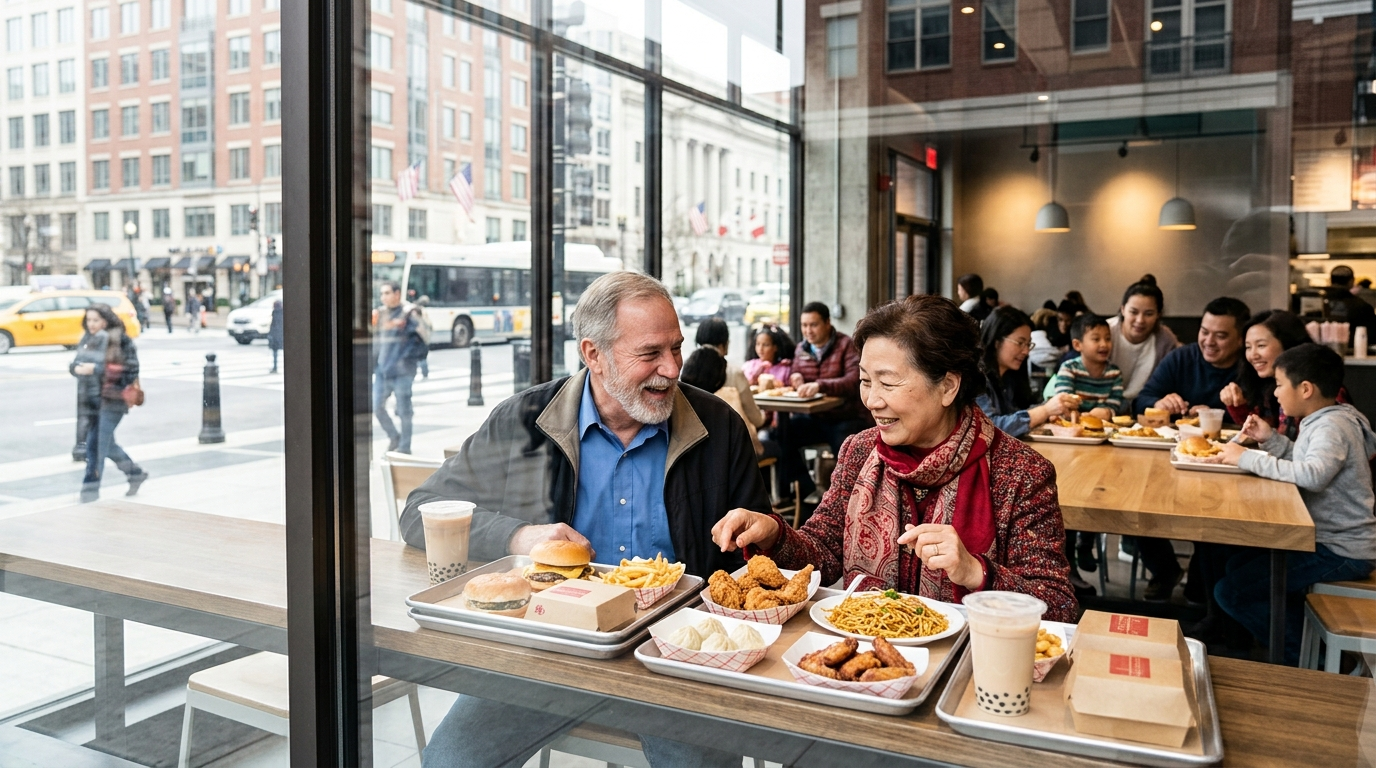
Fast food represents a rare overlap between two countries that often struggle to find common ground. American-style restaurant brands have become familiar to many Chinese consumers, while Chinese food has long held a major place in American dining.
The appeal is practical. Fast food offers speed, predictable prices and recognizable menus. It also adapts easily, allowing restaurants to serve local tastes rather than copy one formula in every market.
That flexibility matters. A restaurant may carry an American name while selling meals shaped for Chinese customers. The result is cultural exchange served in a paper carton, with fewer diplomatic speeches and more fries.



Commerce Keeps the Relationship Connected
Food also shows how business ties can survive political friction. Restaurants depend on local workers, suppliers, property owners and delivery services. Those links create interests that stretch past national policy.
Several forces help keep those connections alive:
- Consumers value convenient and affordable meals.
- Global brands adjust recipes to suit local preferences.
- Local suppliers and employees benefit from restaurant expansion.
- Food provides a low-risk form of cultural contact.
However, a shared meal should not be mistaken for a shared policy. Consumer habits have limited influence over questions involving security, sovereignty and strategic competition.
Soft Connections Meet Hard Politics
The contrast is useful for both leaders. Tariffs and Taiwan highlight the costs of rivalry. Fast food highlights the ordinary exchanges that persist despite it.
Such links can support a more stable relationship by keeping citizens and companies engaged. They may also raise the economic cost of a deeper split. Neither effect guarantees better diplomacy, but both can create pressure for restraint.
The Washington talks will be judged by progress on the disputes that matter most. Any agreement on trade or reduced tension over Taiwan would carry far more weight than cultural familiarity.
Still, the humble fast-food counter offers a clear lesson. China and the United States may compete fiercely, yet their societies are not sealed off from each other. As the leaders meet, that everyday connection is worth watching, even if the menu proves easier to agree on than the policy.