



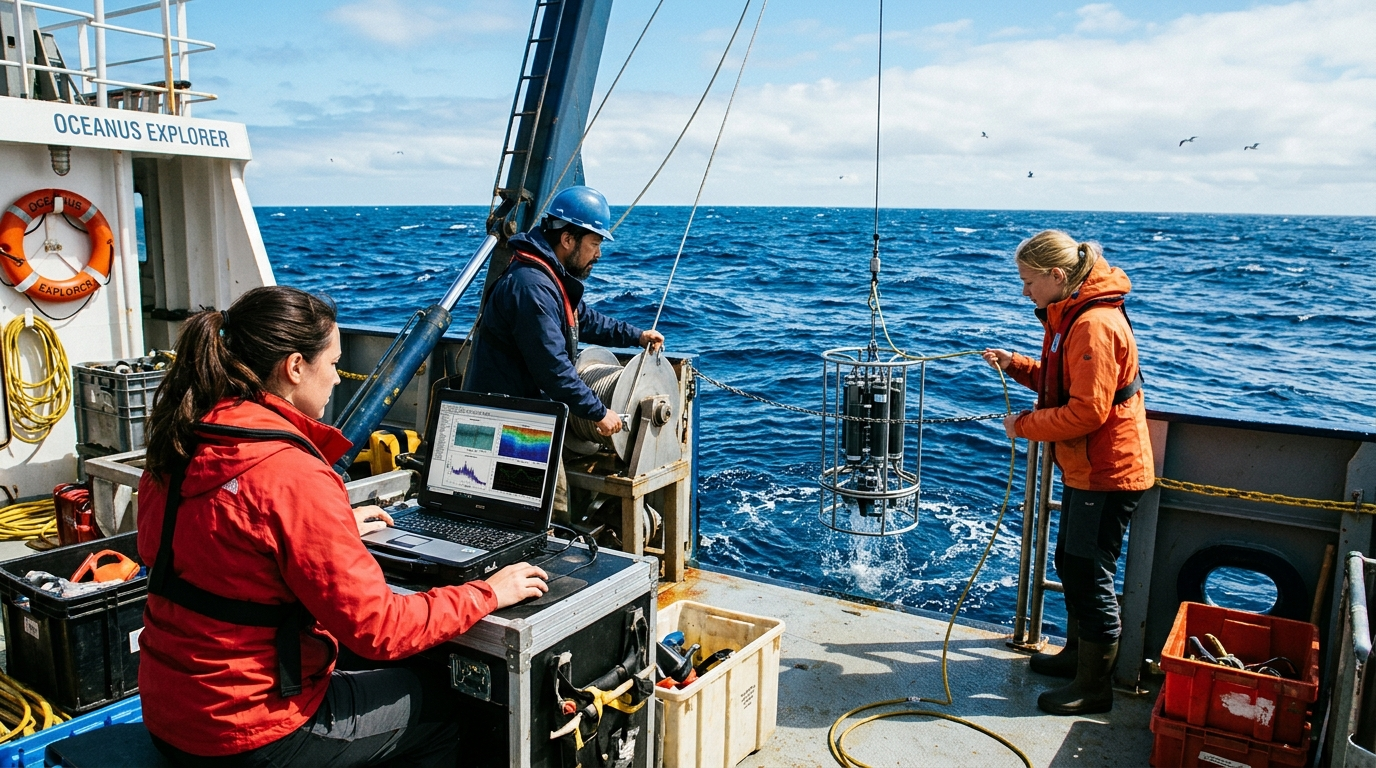
Researchers are calling for sustained monitoring of warming oceans as climate change puts fisheries and coastal communities under growing pressure. They say data must guide decisions on fishing, conservation, and local economic planning.
The warning centers on a direct link: warmer seas can alter marine habitats, move fish populations, and disrupt catches. Communities that rely on fishing may face falling income or changing access to key species.
“Researchers must track warming oceans and use the knowledge gained to inform strategies for sustaining fisheries and communities that depend on them.”
The message, published by Nature, places scientists and policymakers under a shared obligation. Collecting information is only the first step. That evidence must reach fisheries managers and affected communities in a useful form.
Warming Waters Reshape Fisheries
Ocean temperatures influence where fish feed, reproduce, and survive. As waters warm, some species may shift into cooler areas. Others may decline if they cannot adapt or move.
Those changes can weaken fishing plans based on older patterns. Catch limits, seasonal closures, and protected areas may become less effective if fish populations relocate.
Temperature is not the only concern. Marine ecosystems also face changing oxygen levels, ocean acidification, habitat loss, and extreme heat events. These pressures can occur together, making outcomes harder to predict.
Regular monitoring can help researchers separate short-term variation from lasting change. Useful observations may include:
- Sea temperatures at the surface and at depth
- Changes in fish location, size, and abundance
- Breeding cycles and migration timing
- Catch levels and fishing effort
- Income, food access, and employment in coastal communities
Data Must Lead to Action
Better information alone will not protect fisheries. Agencies need systems that turn scientific findings into timely rules and local plans.

For example, managers may need to adjust catch limits more often when stocks move or decline. Governments could also revise fishing agreements if species cross national boundaries. Such changes can create disputes over access and revenue.
Local knowledge can add detail that remote instruments may miss. Fishers often observe changes in migration, catch composition, and seasonal conditions before those shifts appear in formal reports.
However, tighter restrictions may carry immediate costs. Reduced quotas can protect fish populations, but they may also cut household income. This tension makes financial aid, job training, and community participation important parts of adaptation.
Unequal Risks for Coastal Communities
The threat is not shared evenly. Small-scale fishing communities often depend on nearby waters and have fewer options when catches fall. Larger fleets may travel farther, switch equipment, or target different species.
Seafood also supports nutrition in many coastal regions. A damaged fishery can therefore become both an economic problem and a food security issue.
Strategies must reflect those differences. A policy designed for an industrial fleet may not work for small boats, local markets, or Indigenous fishing systems. Researchers will need to examine social conditions alongside environmental trends.
Long-Term Monitoring Faces Obstacles
Ocean observation programs require stable funding, shared methods, and cooperation across borders. Gaps in measurements can hide gradual changes or delay warnings.
Scientists must also communicate uncertainty clearly. Fish populations respond to many forces, including warming, pollution, habitat damage, and fishing pressure. Managers may need to act before every cause or outcome is known.
The central challenge is to connect ocean science with practical decisions. Faster data sharing, flexible fishing rules, and direct community involvement could reduce harm. Future results will depend on whether governments maintain monitoring programs and respond before losses become harder to reverse.