




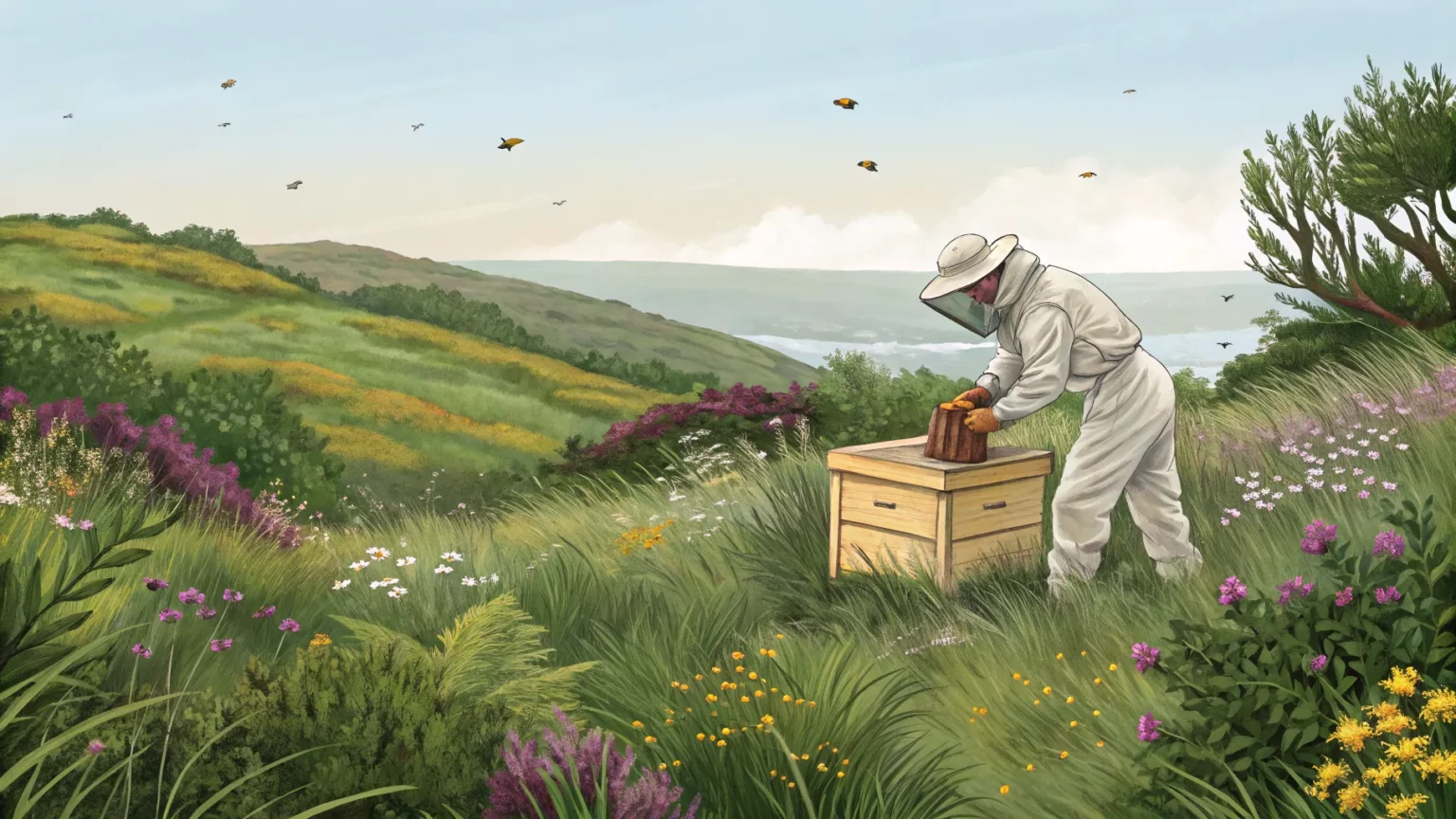
A new finding suggests beekeepers in Ireland should move hives away from the most sensitive parts of heathlands to protect fragile habitats and wild pollinators. The guidance, shared this week, points to a practical shift in where and when hives are placed, with the goal of reducing stress on native species and preserving rare plants that anchor these landscapes. It adds urgency as heathlands face mounting pressure from habitat loss, climate change, and changes in land use.
“The finding could guide beekeepers to keep hives out of most vulnerable areas of the Irish heathlands.”
While details of the research have not been released publicly, the message is clear: hive placement matters. Moving managed honeybees away from fragile zones could reduce competition for nectar, lower disease risks to wild bees, and protect seasonal blooms such as heather that depend on a diverse mix of pollinators.
Why Heathlands Matter
Irish heathlands are shaped by low-growing shrubs, including heather and gorse, and thrive on poor soils in coastal and upland areas. They support rare plants, ground-nesting birds, and a wide range of insects. Many wild bee species, from bumblebees to solitary bees, rely on these habitats throughout short and often harsh seasons.
These areas are also under strain. Drainage, wildfire, overgrazing, invasive plants, and warming temperatures can shift flowering times and reduce nectar availability. Placing large numbers of hives in sensitive patches can add extra pressure, especially during late-summer heather blooms when resources are tight.
Balancing Honey Production and Wild Pollinators
The push to steer hives away from vulnerable zones reflects a broader debate: how to support beekeeping without harming wild pollinators. Managed honeybees are valuable for honey production and crop pollination, but they can crowd out native bees in resource-poor habitats.
The finding highlights a practical compromise. By identifying the most fragile areas and sensitive seasons, beekeepers could still benefit from heathland forage while reducing strain on native species. Conservation groups have long urged a “right hive, right place, right time” approach, and the new guidance aligns with that idea.
What Beekeepers Can Do Now
Even before detailed maps or formal rules are published, practical steps are available. Small changes in placement and timing can lower pressure on vulnerable heathland patches.
- Site hives on the edges rather than the core of sensitive heathlands.
- Avoid peak stress periods, such as late-summer drought or after wildfire.
- Reduce hive density where wild bee diversity is high.
- Provide alternative forage nearby through diverse flowering plants.
These actions can protect nectar resources for wild bees while allowing beekeepers to continue operations. Coordinating with local land managers and conservation officers can further guide siting decisions.


Ecological and Economic Stakes
Protecting heathlands is both an ecological and an economic issue. Healthy wild bee populations support crops and wild plants. Heather honey is a valued product, and its reputation depends on the resilience of heather blooms.
Over-concentration of hives can lead to resource depletion and disease spread. Keeping hive numbers in check and avoiding fragile zones helps preserve the forage base that both wild bees and honeybees need. Thoughtful placement can also reduce conflicts between beekeepers, farmers, and conservation groups.
What Comes Next
The next step is clearer guidance on mapping sensitive heathland areas and defining thresholds for hive density. Seasonal advisories could help beekeepers time movements to match flowering and avoid stress periods. Citizen science and beekeeper logs could feed real-time data into local plans.
Strong cooperation will be key. Landowners, beekeeping associations, ecologists, and local councils can work together to balance interests. The finding hints at practical policies that can be adopted quickly, such as voluntary codes, pilot zones, and seasonal limits, while longer-term research fills gaps.
The message is straightforward and timely: protect the most vulnerable areas, and both wild bees and beekeepers stand to benefit. As one line of the guidance states, moving hives from sensitive patches of Irish heathlands could help sustain the plants and pollinators that define these places. Readers should watch for local maps, seasonal advisories, and pilot projects that test these measures in the months ahead.