




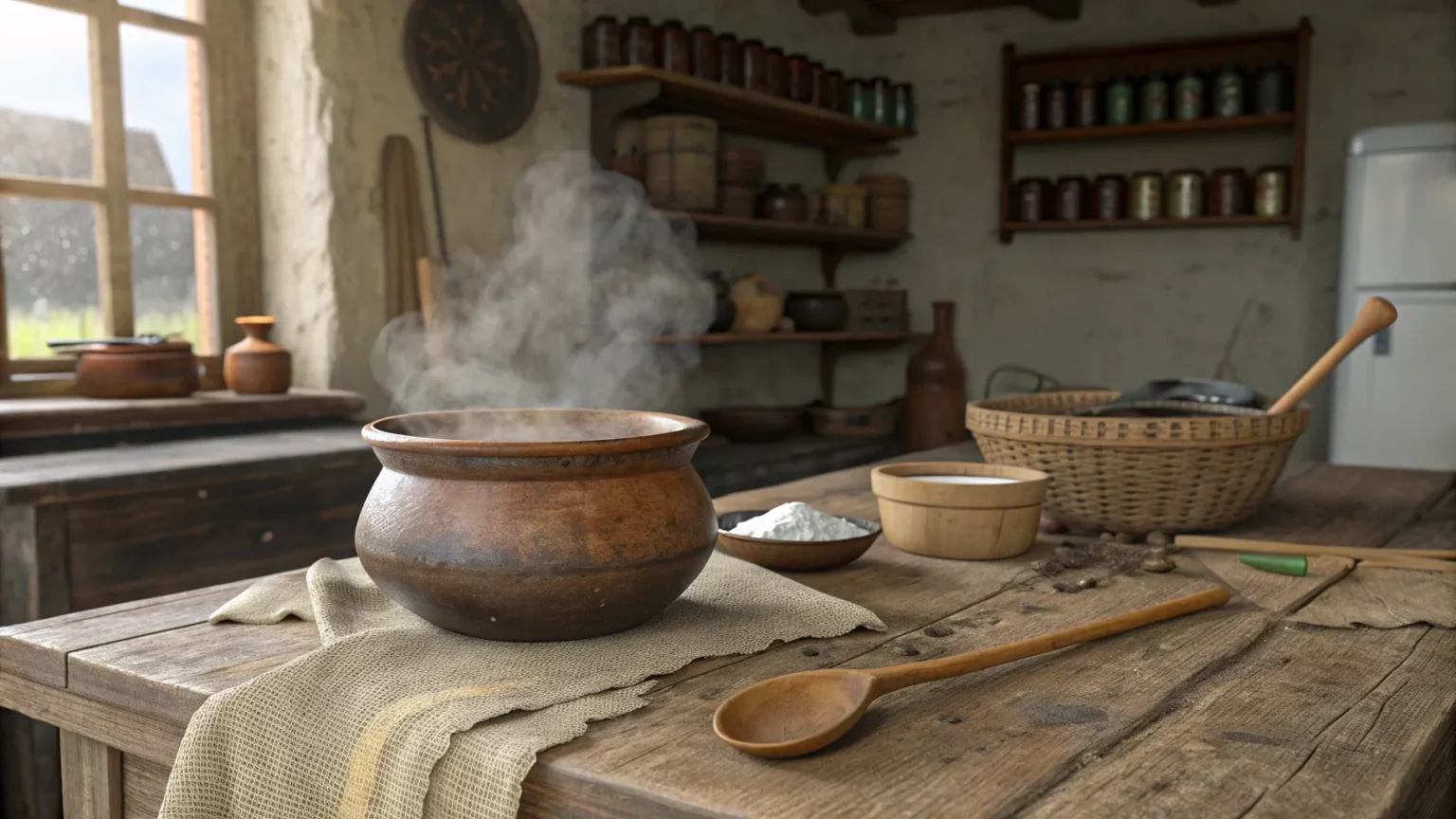
A long-forgotten way to make yogurt is drawing new attention, but food safety experts urge caution. Once used in parts of Europe and Asia, the method relied on ambient conditions and improvised tools. As interest in heritage foods rises, specialists warn that this is one tradition that should remain in the past to avoid illness.
“The traditional yogurt-making technique was once popular in parts of Europe and Asia. But don’t try this at home!”
Historic Roots, Modern Risks
Yogurt has deep roots across the Balkans, the Caucasus, Central Asia, and the Middle East. Families passed down methods that worked for their climate, their animals, and their kitchens. Some relied on milk left warm near a stove or hearth. Others used saved portions of a previous batch as a starter, a practice known today as back-slopping.
These techniques developed before pasteurization, refrigeration, and standardized starter cultures. They produced tangy, nutritious food but were inconsistent. Temperature swings, raw milk, and non-sterile containers could open the door to harmful bacteria. What worked in one home might fail in another, especially without regular cleaning and steady heat.
Food safety agencies note that fermentation does not make unsafe milk safe by itself. The World Health Organization estimates that unsafe food causes about 600 million illnesses and 420,000 deaths each year worldwide. Dairy products are a small share of that burden but can carry serious risks if handled poorly.
What the Old Method Asked of Makers
Accounts describe techniques that depended on natural bacteria in the milk or in the container. Makers sometimes used ambient warmth instead of a controlled incubator. Results varied. In cool seasons, fermentation might stall. In very warm spots, harmful microbes could outgrow the friendly ones that turn milk into yogurt.
Containers also mattered. Clay, wood, or leather vessels can harbor microbes in tiny pores. Without careful cleaning and drying, those surfaces can seed a batch with the wrong bacteria or mold. Re-using the same starter over and over, without standardized strains, added more uncertainty.
Why Experts Say “Don’t Try This at Home”
Modern guidance is clear: controlled fermentation is safer. Raw or unpasteurized milk can contain pathogens such as E. coli, Salmonella, and Listeria. These organisms may survive if fermentation temperature and acidity are not consistent. Home environments rarely provide the precise control used by licensed dairies.
Food scientists also point to the narrow temperature window that yogurt needs. The typical target is around 42–45°C (108–113°F) for several hours. That range helps friendly cultures grow and keep competitors at bay. Without a steady heat source and clean tools, failures and contamination become more likely.



How to Make Yogurt Safely Today
Many home cooks still make excellent yogurt using modern steps. These techniques reflect the spirit of tradition while reducing risk.
- Start with pasteurized milk from a trusted source.
- Use a commercial starter or a spoonful of fresh, live-culture yogurt.
- Heat and cool the milk as recipes advise, then incubate at a steady 42–45°C.
- Clean and dry all containers and utensils before use.
- Refrigerate finished yogurt promptly and discard any batch that smells off or shows mold.
These controls mimic what small dairies and artisans do under food safety plans. They preserve the tang and texture people love without inviting avoidable dangers.
Preserving Heritage Without the Hazards
Historians and culinary researchers continue to record regional yogurt practices. Museums and universities often test heirloom methods in lab settings. There, they can study microbes, measure acidity, and document flavors while keeping samples safe.
Some artisan producers also draw on tradition. They pair local milk with defined starter cultures and clean vessels. Regulators may require temperature logs, batch testing, and clear labeling. These steps keep the heritage alive while protecting consumers.
The renewed curiosity about old yogurt-making reflects a broader interest in food origins. It also highlights why modern safety practices matter. The core lesson is simple: value the history, but use today’s tools. Fermentation thrives with clean equipment, steady heat, and proven cultures. That approach delivers consistent results and keeps families healthy. As heritage foods trend online, expect more debates like this—where tradition meets science, and caution is the wiser choice.