

Finland is pairing artificial intelligence with everyday retail systems to harden its supply chains and keep goods moving in crises. The approach, rooted in the country’s long-standing Total Defense model, highlights how public and private networks can work together to protect essential services during shocks. The strategy gained urgency as Europe faced energy strain, geopolitical tension, and severe weather in recent years.
The core idea is simple: use data from stores, warehouses, and logistics firms, feed it into AI tools, and plan for disruptions before they strike. That planning sits inside a broader “whole-of-society” framework that includes government agencies, companies, and households. As one summary put it:
Finland’s Total Defense model shows how AI and retail infrastructure combine to strengthen national resilience and supply chain security.
Roots In A Whole-Of-Society Playbook
Finland’s Total Defense concept dates back decades and was shaped by its history, geography, and a culture of preparedness. It integrates civil and military planning, with ministries, municipalities, businesses, and civic groups practicing how to respond under stress. The country’s entry into NATO in 2023 added new cooperation channels, but the basic model remains local and practical.
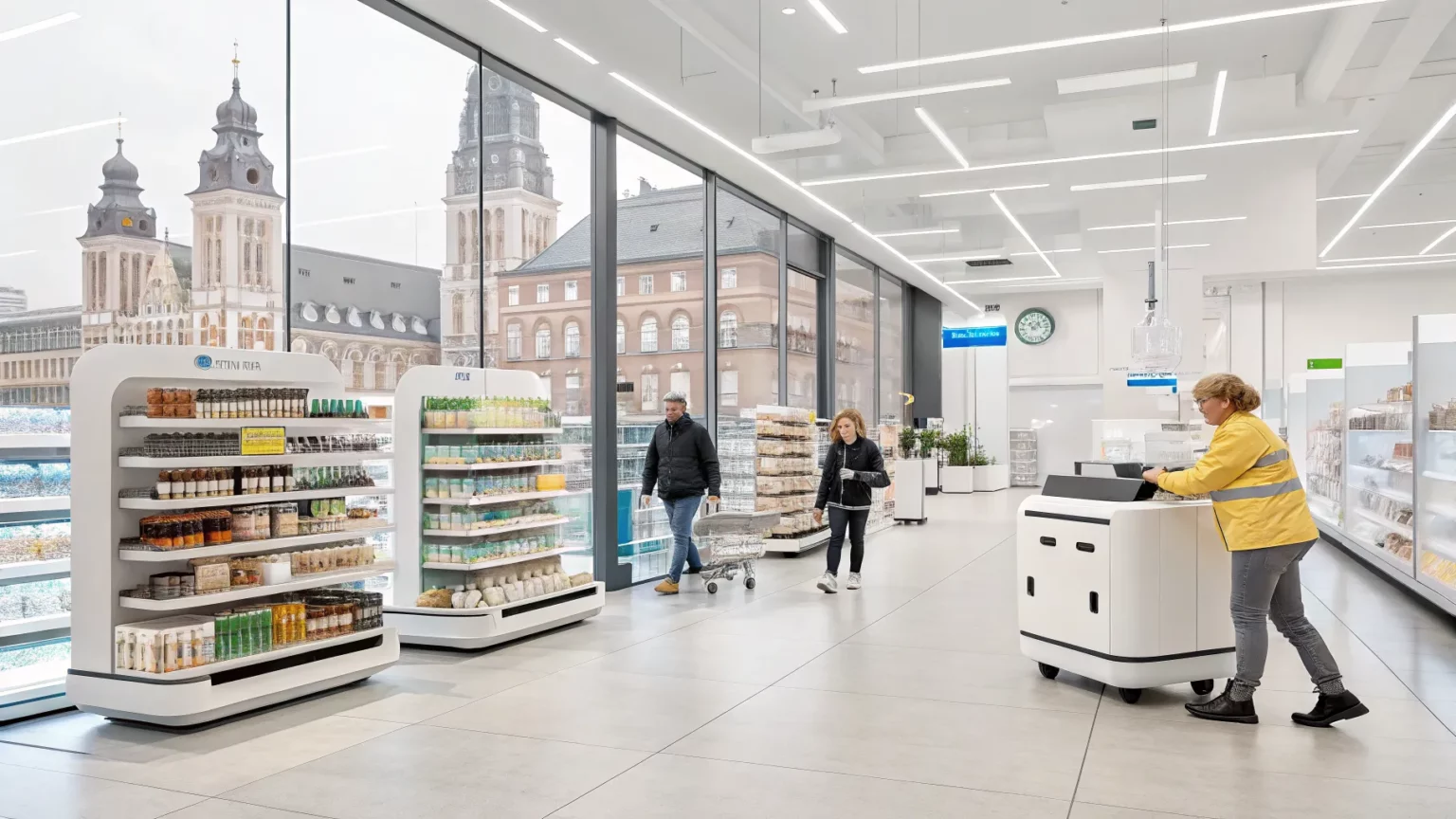
Under this approach, grocery chains, fuel suppliers, and pharmacies are treated as essential partners. Authorities work with retailers to map critical stock levels, delivery routes, and backup suppliers. The focus is on keeping shelves stocked and services running even when imports slow or transport networks are strained.
How AI Tightens The Supply Chain
AI systems can spot early signs of trouble that humans might miss. They flag abnormal buying patterns, detect bottlenecks in regional routes, and model how a local outage could ripple across the country. Retail transaction data, warehouse sensors, and freight schedules help train these tools.
In practice, this means planning deliveries around weather alerts, adjusting orders when a factory abroad pauses output, or rebalancing stock if panic buying begins. The aim is not to replace people, but to give planners and store managers faster, clearer signals.
- Forecasting demand: Anticipates surges in essential goods and reduces waste.
- Route resilience: Tests alternate roads and ports before disruptions occur.
- Supplier mapping: Identifies single points of failure and tracks substitutes.
Retailers As First Responders
Finland treats the retail network like a backbone for public welfare. Large chains and independent stores share practical goals: stable inventories, fair pricing, and reliable access in remote regions. During a shock, stores become vital hubs for food, medicine, batteries, and hygiene products. Their data streams also serve as real-time indicators of community needs.
Store managers know which items sell out first, which routes stall, and where staffing gaps appear. When combined with public databases and alerts, this knowledge speeds response. In urban centers, distribution centers can reroute shipments overnight. In rural areas, small stores can receive priority deliveries or pooled transport.
Privacy, Equity, And Trust
Linking retail data with government planning raises clear questions. Privacy rules must be strong. Consumers need assurance that purchasing data is secured and aggregated. Retailers want clarity on data-sharing limits and liability. Communities also care about equity: rural customers should not be left behind when stock is tight.
Finland’s model relies on clear roles and transparent agreements. Data-sharing tends to focus on trends rather than individual records. Exercises help set expectations and reveal weak spots. Public communication is essential to prevent panic and discourage hoarding when supplies tighten.
What Success Looks Like
Signs of progress include fewer stockouts during storms, quicker rerouting when a warehouse goes offline, and steadier prices during import delays. AI tools can shorten response times and reduce waste by aligning shipments with actual demand. Retailers benefit from smoother operations. Households see shorter lines and more consistent choice.
Comparisons with other Nordic countries show similar priorities: protect critical goods, diversify suppliers, and practice crisis logistics. Finland’s edge is the deep integration of civil planning with day-to-day commerce. When AI insights are layered on top, decisions come faster and with more confidence.
What Comes Next
Future steps include expanding supplier diversity, stress-testing cold chains for medicines and fresh food, and building backup energy for key warehouses. Cross-border data sharing within the EU could help forecast shortages earlier. Training for store staff and local officials will remain central, since technology only works when people trust and use it.
Finland’s approach offers a clear lesson: resilience does not live only in ministries or servers. It lives on store shelves, in loading docks, and in the planning meetings that tie them together. By linking AI with retail infrastructure, the country strengthens daily life against shocks, one delivery and one dataset at a time.