




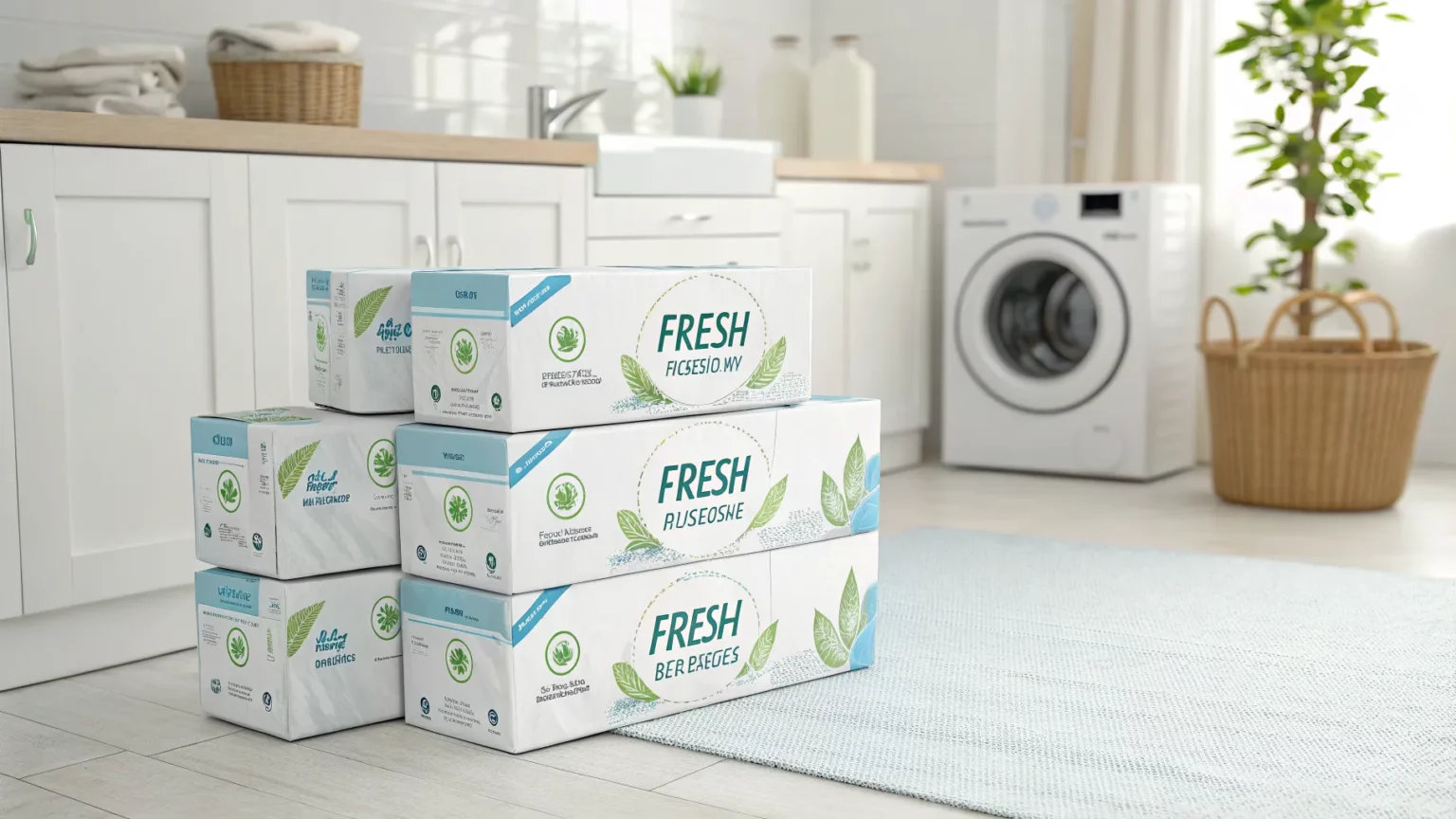
Procter & Gamble, a heavyweight in home care products, has moved to refresh its top-selling laundry product in a market valued at $25 billion. The company’s decision signals a preemptive push to shape consumer habits and guard its lead, rather than wait for a challenger to force change.
The move centers on reimagining a bestseller to keep pace with shifting preferences, retailer demands, and growing interest in convenience and sustainability. It reflects a strategy that favors self-disruption to stay ahead of upstart brands and private labels.
“P&G already dominates the $25 billion laundry market. Rather than wait for a rival to disrupt it, the company reimagined its own bestseller.”
Why Refresh a Market Leader
Longtime leaders often face a choice: protect legacy products or take a risk by overhauling them. P&G has history here. Its shift into unit-dose pods reshaped laundry routines and spurred copycats. Now, with shoppers seeking simpler dosing, lower waste, and clear results at cooler wash temperatures, the company is again steering the category by updating what already sells.
Retailers also push for products that are easier to stock and ship, while consumers look for packaging that fits smaller spaces. A bestseller that adapts to these needs can retain shelf space and defend price points against lower-cost rivals.
Signals From the Aisle
Laundry buyers care about stain removal, scent, cost per load, and convenience. They also pay attention to package size, spill risk, and whether the product works in short or cold cycles. Any redesign of a leading product likely targets these basics.
- Ease of use: Clear dosing and mess-free formats reduce errors and waste.
- Compact packaging: Smaller, lighter containers cut shipping weight and shelf space.
- Performance at low temperatures: Meeting energy-saving habits without trade-offs.
Private-label detergents have improved on price and quality, especially during periods of tight household budgets. By changing a flagship, P&G can reset comparisons on performance and convenience while reinforcing brand loyalty.
Industry Impact and Competitive Response
When a category leader updates a hit product, competitors face a choice: mimic, differentiate, or compete on price. Smaller brands that pitch eco claims or refill systems may gain attention if they show clear value. But a refreshed mass product with better dosing or lighter packaging can blunt that momentum.
Retailers may benefit from more efficient packaging, fewer leaks, and faster shelf restocks. If the redesign reduces material use or freight weight, costs and damage claims can drop. That could make grocers and big-box stores more willing to allocate premium space to the updated product line.



For suppliers, a change in formula or packaging can ripple into new contracts for materials, resins, films, or enzymes. Supply chains may need to adjust filling lines, labeling, and safety testing to meet new specifications.
Sustainability and Consumer Trust
Laundry is under pressure to reduce plastic, water content in formulas, and emissions from transport. A lighter container or more concentrated formula can lower environmental impact if consumers dose correctly. Clear instructions and consistent performance are key to trust.
Shoppers also expect transparency on ingredients and recyclability. If the redesign includes improved recyclability or reduced plastic, clear labeling will matter. Without it, claims may be dismissed as marketing.
What Success Looks Like
Early signals will show up in repeat purchase rates, basket sizes, and retailer reorders. Social media feedback and customer service logs can indicate whether dosing is easier and leaks are fewer. If returns and complaints fall while market share holds or rises, the strategy is working.
Competitors may respond with price promotions or their own formula changes. The category could see more concentrated offerings, compact packaging, and bolder claims about performance in quick, cold cycles.
P&G’s decision to rework a top seller is a calculated bet on shaping the market rather than defending it from a corner. The next few quarters will test whether loyal customers accept the changes and whether rivals can match the blend of convenience, performance, and efficiency. Watch for broader rollouts, retailer exclusives, and updated marketing that explains how to use the product right the first time. If the redesign sticks, the shelf will look lighter, dosing will be clearer, and the company’s lead will be harder to shake.