



A South American nation holds gas reserves that experts say could reach global buyers fast, yet regional disputes and sanctions have kept projects idle. Officials and industry watchers say the delay is hurting local revenues, slowing investment, and limiting options for energy importers facing price swings since 2022.
The country sits near existing export routes and processing hubs. Engineers argue that basic infrastructure and nearby liquefied natural gas capacity could speed first shipments. But political rifts, contract uncertainties, and shifting alliances have paused decisions that companies need to commit capital.
Untapped Supply, Clock Ticking
Natural gas demand has grown since the war in Ukraine upended trade flows. European buyers sought new sources, and some South American producers looked to fill gaps. The nation in focus has shallow-water and onshore prospects that could be tied in quickly.
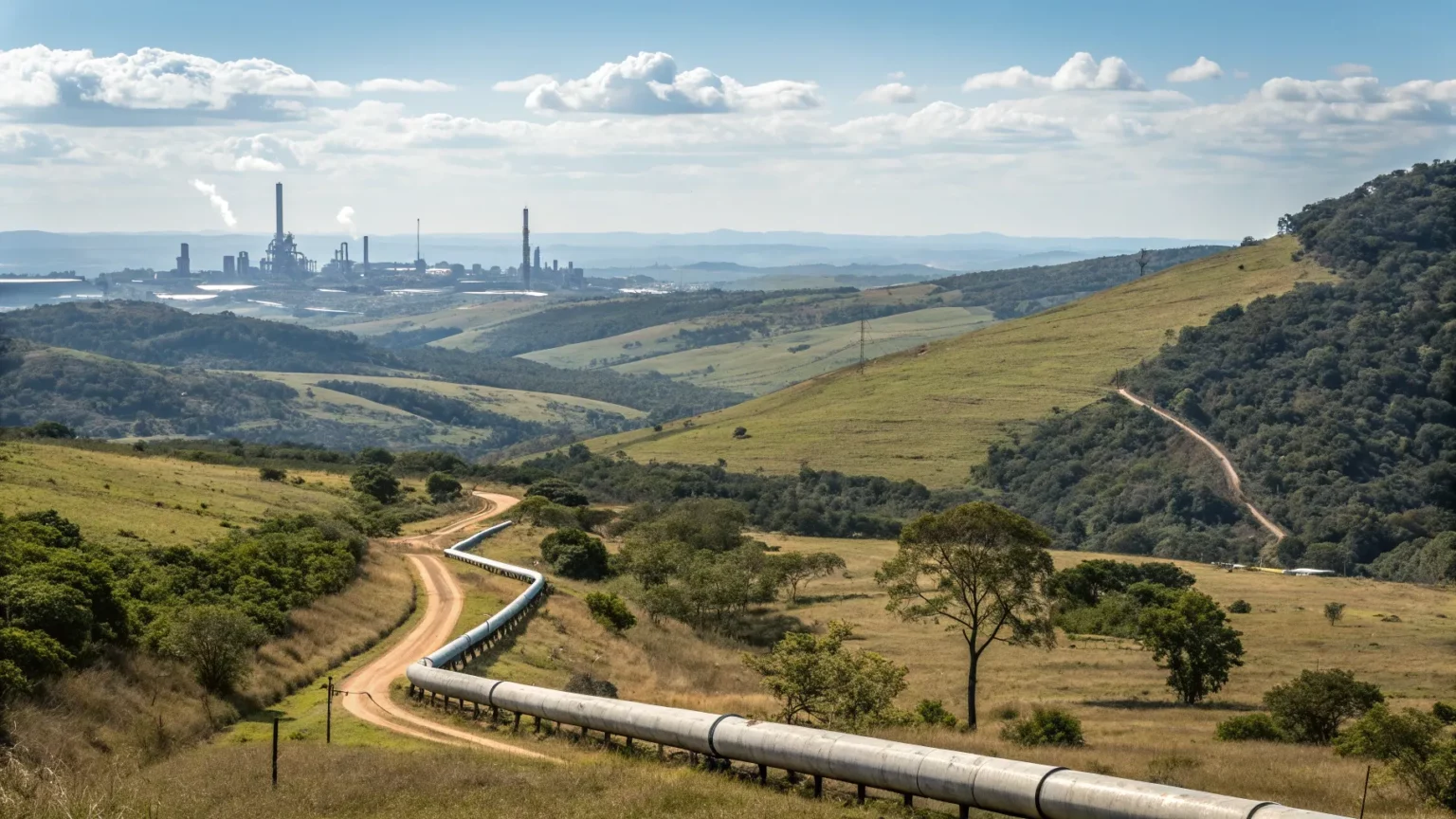
The South American country has natural gas that could be extracted and exported quickly, but geopolitical challenges have stymied development.
Energy firms weigh costs, timelines, and political risk. Executives say even modest fields can move from appraisal to first gas in a short window if permits and offtake deals are clear. The current pause has stretched timelines and raised financing costs.
Why Politics Matters More Than Geology
Analysts point to three hurdles holding back projects:
- Sanctions risk and compliance burdens that deter lenders and buyers.
- Border and maritime disputes that cloud ownership and revenue sharing.
- Domestic policy shifts that threaten tax and contract stability.
Sanctions complicate payments and insurance. Even with limited waivers, banks often avoid exposure. That slows everything from equipment imports to sales contracts. Disputes over offshore blocks can halt drilling, since companies need legal clarity on who gets paid.
Regional Ripples for Neighbors and Markets
Delays affect nearby economies. Gas-short neighbors face higher power costs when they cannot secure pipeline or LNG supplies from next door. Industrial users switch to oil products, raising emissions and prices. Power grids lean on hydropower, which is vulnerable to drought.
Global buyers also feel the pinch. Spot LNG prices spiked in 2022 and remain volatile. A new, reliable source in the Atlantic basin would add flexibility. Traders say proximity to existing LNG plants and pipelines could reduce shipping time and costs.


Industry Views and Possible Paths Forward
Project backers push for phased development. They propose small initial volumes to prove reliability, followed by larger investments once contracts settle. That plan depends on predictable rules and clear dispute resolution.
Policy experts recommend limited steps that could unlock early gains. These include time-bound licenses, escrow arrangements for disputed revenues, and transparent tariff frameworks. Regional forums could help settle boundary issues or set interim terms for shared fields.
Companies emphasize local benefits. Gas can stabilize power supply, cut diesel use, and support fertilizer plants. That creates jobs and reduces import bills. But those gains require steady policy, secure sites, and access to foreign equipment and capital.
What Forecasts Suggest
Most outlooks show steady gas demand for power and industry through the next decade, even as renewables grow. Short-cycle projects near existing hubs are best placed to meet that need. If political risks fall, the country could reach first exports faster than greenfield LNG ventures elsewhere.
If stalemates persist, capital will flow to other producers. West Africa and North America have projects advancing. Buyers will sign longer-term deals with them, narrowing the window for new entrants in South America.
The near-term choice is clear. Practical policy steps and credible dispute fixes could unlock gas that helps the country and its neighbors. If progress comes soon, first shipments could arrive while demand remains firm. If not, the market will move on, and the nation’s gas will stay in the ground while costs rise. Investors and regional planners will watch for legal clarity, financing signals, and any easing of cross-border tensions.