





Grand Theft Auto is heading back to Vice City after a long gap between major games, putting the series’ history back under review.
The return marks a fresh chapter for the crime series and its fictional take on American life. It also invites questions about how the franchise has changed since its last main release.
“It’s been a long back road to Vice City.”
That description captures the central issue surrounding the next stage of Grand Theft Auto. The journey has taken years, while player expectations and the wider games industry have changed.
A Familiar City Returns
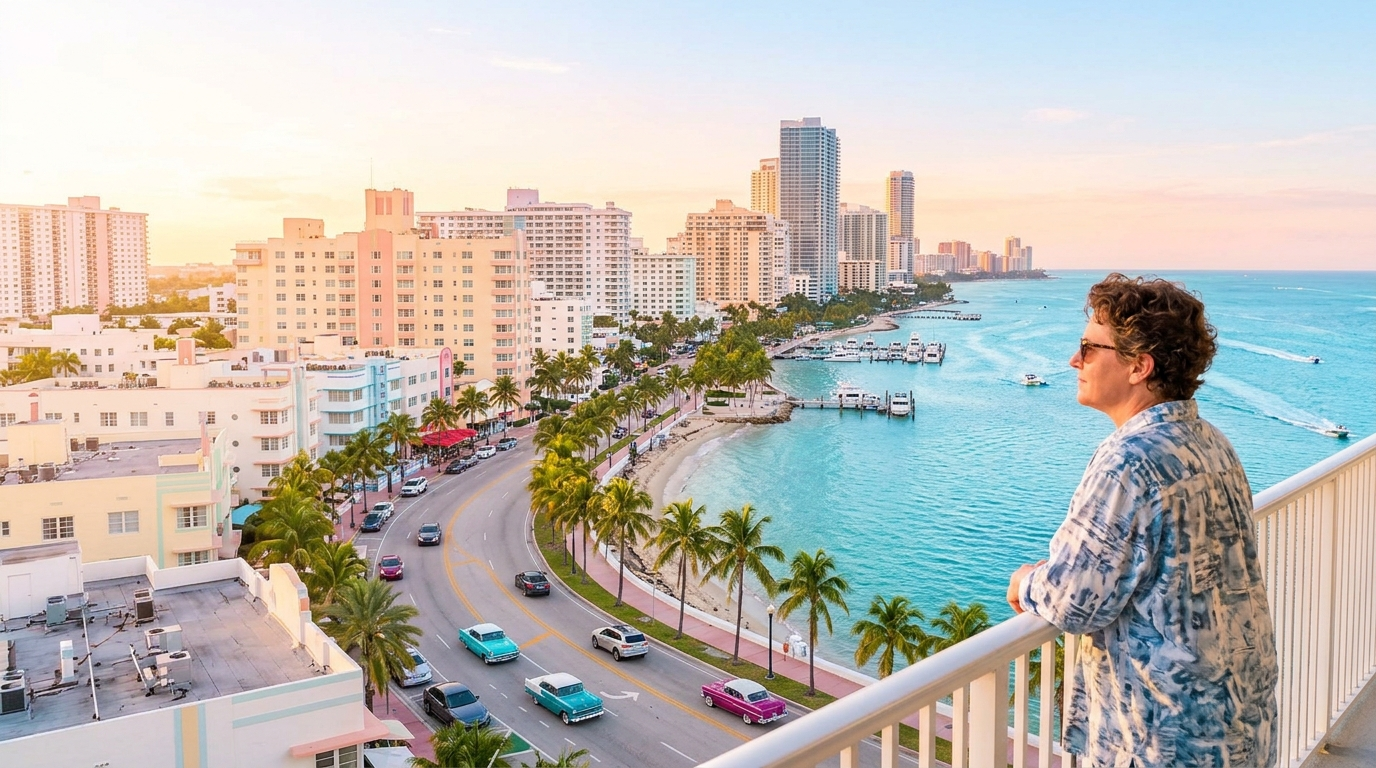
Vice City is one of the franchise’s best-known settings. Its name is closely linked to an earlier Grand Theft Auto game that presented a stylized coastal city shaped by crime and excess.
Returning to that location gives the series a recognizable setting. Yet a modern Vice City must serve players who expect more detailed spaces, richer stories, and greater freedom.
The choice also creates a difficult balance. Familiar references may appeal to longtime fans, but the new game must build its own identity rather than repeat earlier ideas.
A Long Wait Changes Expectations
The extended period since the previous main game has raised interest in every sign of progress. Grand Theft Auto has remained culturally visible during that time, keeping its next release under close attention.
Long development cycles can give studios more time to create large game worlds. They can also increase pressure, since audiences expect each new entry to justify the wait.



Several factors now shape those expectations:
- Players expect dense cities with meaningful activities.
- Storytelling faces closer public scrutiny than before.
- Online play has become a major part of long-term engagement.
- Technical performance matters across different gaming systems.
The next title will therefore be judged on more than visual quality. Its characters, satire, structure, and treatment of Vice City will carry equal weight.
Looking Back at the Series
Grand Theft Auto built its reputation through open cities where players could follow missions or create their own disorder. That freedom helped turn the series into a major entertainment property.
The games have also drawn criticism over violence, crime, and social themes. Supporters often point to their satire and player choice. Critics question how those subjects are framed and marketed.
A return to Vice City brings both views into focus. A fictional city can support sharp commentary, but humor and parody may face different reactions from modern audiences.
“Here’s a look back at Grand Theft Auto since the last game, and how we got here.”
That retrospective approach suggests the next release cannot be separated from the years before it. The series’ past success has built demand, while its long absence has raised the standard for what comes next.
What Comes Next
Vice City offers familiarity, but the larger test will be whether Grand Theft Auto can adapt its established formula for a new period.
Players will watch for details about the city, characters, gameplay, and release plans. They will also look for signs that the long development period produced a focused experience.
The road back has been lengthy. Its final value will depend on whether the new Vice City feels like a meaningful return, not simply a visit to a famous location.