




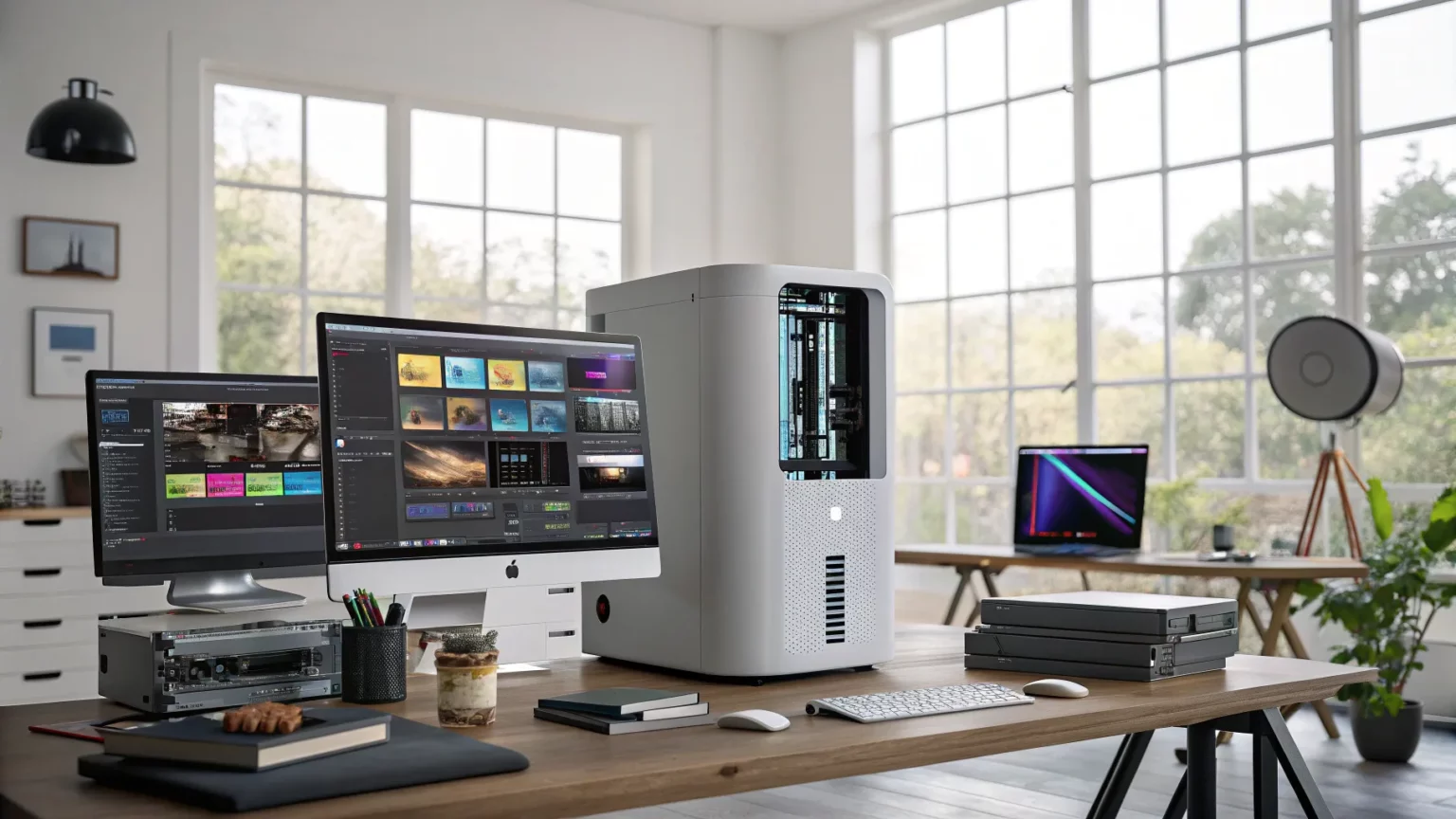
Luma AI said its latest model is now available through Dream Machine, signaling a push to bring advanced video generation tools to more users. The move places the company in a growing race to turn text and images into short, high-quality clips for social media, design, and advertising. The rollout matters for creators who want faster turnaround and for studios exploring new workflows.
The company, known for visual AI, has pitched Dream Machine as a place where people can produce and iterate on short videos with simple prompts. The release comes as rivals in generative media have stepped up feature launches and partnerships. By making the model accessible through an existing platform, Luma AI removes one hurdle: creators can try new features without installing fresh software or learning a different interface.
What Changed and Why It Matters
“Luma AI’s new model is available through the company’s Dream Machine platform.”
Centralizing access inside Dream Machine is a strategic step. It ties fresh capabilities to a familiar tool and reduces friction for creators who are already testing video generation. While the company has not detailed technical specs here, the choice to route the model through an established service suggests a focus on scale and rapid feedback.
Generative video has shifted from research labs to everyday production in under two years. Marketers use it for drafts and storyboards. Educators test it for lesson visuals. Indie filmmakers try it for concept scenes. Wider access could push more pilots and experiments, especially if outputs are consistent and the interface stays simple.
Rising Competition in AI Video
Companies racing in this space have chased three goals: speed, quality, and control. Speed shortens campaigns. Quality reduces the need for heavy editing. Control adds tools for camera moves, character consistency, and style. Opening a new model inside a live platform can help on each point, because user feedback often surfaces needed guardrails and features.
Analysts say the market is still early. Many teams run small tests before committing to full workflows. Access through a platform can convert those tests into regular use if pricing, reliability, and safety checks make sense.
- Speed and ease of use remain the top requests from creators.
- Rights and provenance checks are rising priorities for studios and brands.
- Education and nonprofits often seek usage tiers that fit tight budgets.
What Creators Stand To Gain
For solo creators, availability inside Dream Machine could mean quicker edits, more style options, and a smoother loop from prompt to preview. For agencies, it may help teams run many variations for a single campaign. If the model improves motion handling or scene coherence, it might reduce manual fixes and re-renders, saving time on deadlines.
Studios will watch consistency. Can characters match across shots? Can the tool keep lighting and framing steady? These questions decide whether the model supports pre-visualization or small commercial projects. Even modest gains can shift work from traditional stock footage to AI clips for certain use cases.

Ethics, Safety, and Guardrails
Greater access raises familiar risks. Without careful checks, synthetic media can spread false content. Platforms address this with filters, watermarking, and usage policies. Users will look for clear rules on copyrighted prompts, likeness rights, and how outputs are labeled. Strong safety controls often decide whether large clients adopt or walk away.
Transparency also matters. If the company provides guidance on training data sources and content moderation, it can build trust with publishers and educators who face extra scrutiny.
What To Watch Next
Key signals in the weeks ahead will include platform uptime, output quality across diverse prompts, and any updates that target long-form scenes. Partnerships with hardware makers or cloud providers could point to bigger scale. Education discounts or team features, if announced, would show a push into classrooms and agencies.
For creators and brands, the practical test is simple: do the new tools inside Dream Machine cut production time without adding new risks? If the answer is yes, expect wider trials and a steady shift of early-stage video work into AI workflows.
With the new model live on Dream Machine, Luma AI has set the stage for broader use and faster feedback. The next phase will hinge on reliability, clear safety rules, and how well the tool fits real deadlines. Watch for improvements in consistency and controls—two areas that will decide who leads the generative video field this year.