



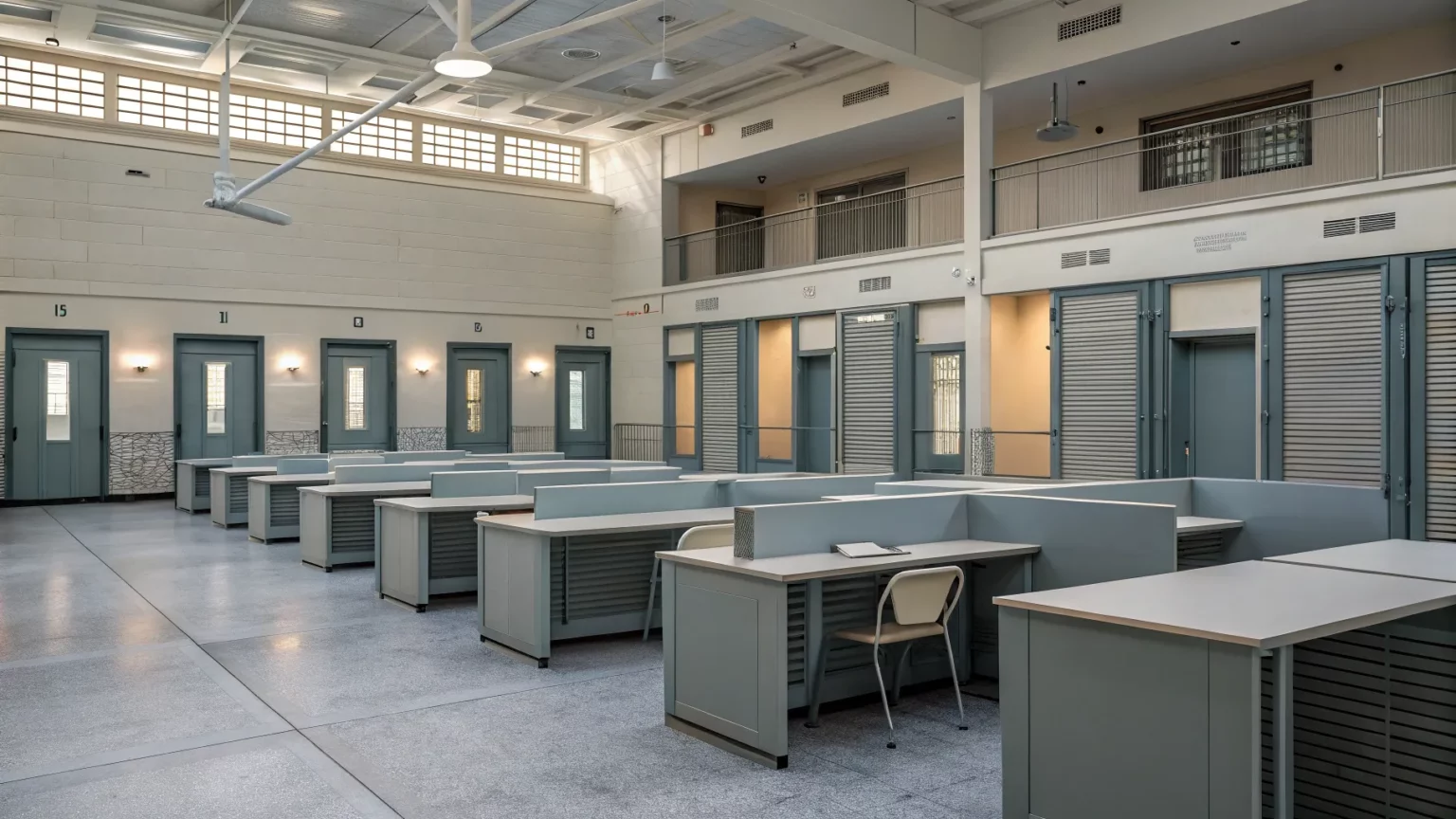
The Defense Department moved to close the Pentagon’s work area for journalists after a federal judge found its media access policy unconstitutional, a shift that could reshape how reporters cover the military’s central headquarters. The decision, announced this week in Washington, follows the court’s finding and signals a rapid overhaul of rules that govern who can enter, where they can work, and how daily reporting is conducted.
What Changed and Why It Matters
For decades, accredited reporters have worked inside the Pentagon, using a shared bullpen to file stories, meet sources, and attend briefings. The department now says that space will be shut down as part of “other changes” to press access. The agency linked the move to a judge’s ruling against its current media policy, indicating that revisions are underway.
“The Defense Department said it would close the Pentagon’s work area for journalists, among other changes, after a judge found the existing media policy unconstitutional.”
The ruling suggests that the policy did not meet constitutional standards, likely under the First Amendment’s protections for press freedom or the due process requirements tied to press credentials. While the department has not released full details, the closure is immediate and affects day-to-day reporting on military affairs.
Background: Press Access and Constitutional Standards
Press access to government facilities has long been shaped by court decisions that require fair, clear, and consistent rules. In a key 1977 case involving White House press passes, a federal court held that the government must set transparent standards and offer procedural safeguards when denying access. Similar principles have guided agencies, including the Pentagon, for years.
Inside the Pentagon, the work area has served as a practical hub. Reporters could track breaking developments, attend on-camera briefings, and request comment from public affairs officers. Limiting or removing that space may slow rapid-response coverage, especially on matters of national security where speed and accuracy are important.
Immediate Impact on Reporting
Closing the workspace disrupts routines that help reporters verify information, schedule interviews, and coordinate coverage with editors. It may push more interactions online or into scheduled briefings, which can reduce the informal exchanges that often clarify complex issues. The department has not said whether an alternative space will be offered, or how quickly a revised policy will restore regular access.
- On-site reporting may give way to remote briefings and email responses.
- Spontaneous interviews in hallways or after briefings could decline.
- Accreditation standards and appeals processes are likely to change.
Competing Interests: Security, Order, and Transparency
The Pentagon often balances operational security and building logistics with the public’s right to know. Officials can limit access for safety or classified reasons, but courts have required clear criteria and fair procedures. The new ruling appears to fault the policy’s structure more than the idea of access itself, opening the door to a rewritten rulebook that could survive legal scrutiny.
Press advocates will watch whether the next version includes defined standards, timelines for decisions, and an independent appeal channel. Without those, the system could face fresh challenges. Government lawyers, meanwhile, may argue that temporary limits are needed to keep operations secure while new rules are drafted.


What to Watch Next
The central questions now are how swiftly the Defense Department will release a replacement policy and whether it will reopen on-site space for day-to-day coverage. The department could create a tiered system that distinguishes between daily reporters and occasional visitors, or it could expand virtual access while capping physical presence. Either path will draw scrutiny from media outlets that rely on proximity to confirm facts and provide timely analysis on military decisions.
Past experience suggests that clear, written standards and prompt reviews of credential decisions reduce disputes and support consistent coverage. If the new policy follows those principles, the Pentagon may restore steady access while meeting the court’s requirements.
The closure marks a significant shift in how national security news is gathered at the Pentagon. The next policy will set the tone for transparency and public trust. Watch for a formal rulemaking, a public timeline, and any interim arrangements that give reporters a practical way to continue on-the-ground coverage.