




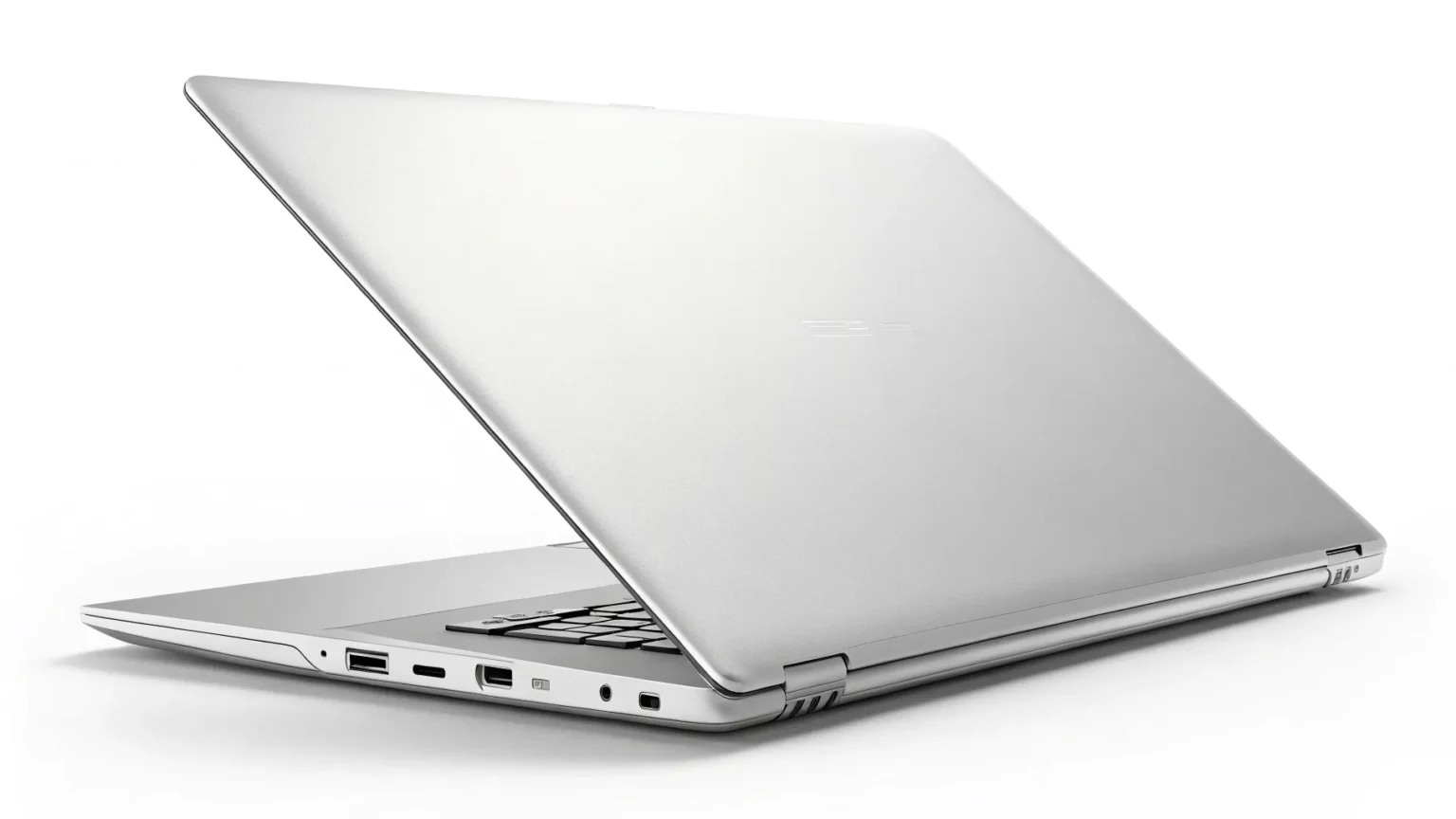
Apple plans to launch a new line of laptops in late 2026 or early 2027, signaling a long runway for its next major hardware cycle. The timing hints at a multi-year strategy that could reshape its Mac roadmap and set expectations for consumers and developers. The company has not shared details on features or pricing, but the window suggests a measured approach to design, supply, and software planning.
“Apple will debut the new line of laptops in late 2026 or early 2027.”
The timing places the debut near the end of a typical two- to three-year hardware cadence. It also gives Apple room to refine chip design, test new materials, and align with future versions of macOS.
Context: A Deliberate Hardware Cadence
Apple’s recent Mac history shows steady hardware updates paired with annual software releases. The company shifted from Intel to its own silicon starting in 2020, rolling out M‑series chips and redesigns across the lineup. That transition improved battery life and performance while unifying hardware and software under one roadmap.
The global PC market surged during the pandemic, then cooled as households and businesses delayed upgrades. Analyst firms reported a slump in 2022 and signs of recovery in 2024. A late-2026 or early-2027 launch would align with a cycle in which many users consider replacing machines bought earlier in the decade.
Apple often staggers Mac releases to balance factories, new materials, and software features. A longer interval can help the company stabilize supply and improve yields before a wide rollout.
What the Timeline Suggests
A launch window straddling two calendar years offers flexibility. Apple can move based on production readiness, holiday demand, and software completion. If supply constraints arise, the company can shift the debut into early 2027 without missing a fiscal year plan.
The schedule also hints at close coordination with future macOS updates, which ship annually. Hardware that lands near a major software release often showcases new features at launch.
- Late 2026 launch could hit holiday buying cycles.
- Early 2027 timing may improve initial supply and channel fill.
- Developers get a clear horizon for optimizing apps and workflows.
Implications for Consumers and Developers
For buyers, the message is patience. Those who need a machine now should evaluate the current lineup on its merits. Those who can wait may see a broader redesign with software features that assume newer chips.



Developers get a long lead time to plan for potential graphics, AI, and battery efficiency gains. Longer horizons can reduce the risk of building for features that shift late in development.
Education and enterprise customers may map refreshes to the 2026–2027 window, aligning device cycles with budget years. Channel partners often prefer predictable timelines to manage inventory and training.
Industry Impact and Competitive Pressure
PC makers are pushing slimmer designs, longer battery life, and on-device AI features. A mid-decade Apple refresh would meet that push with its own hardware-software package. Competitors may speed their plans to get ahead of Apple’s window or avoid a direct clash during the debut quarter.
Supply chains remain sensitive to global events. A longer schedule lets Apple stage component orders and manage logistics. It also helps retail partners prepare display space, marketing, and service parts for launch.
What Is Still Unknown
Apple has not announced specific models, chip names, or design changes. It has not confirmed whether the debut targets premium laptops first or a wider lineup. Pricing remains an open question. The company’s pattern often starts with higher-end models and then expands, but the exact approach can vary.
What to Watch Next
Developers and buyers should watch software previews for clues. Major macOS features often reveal the hardware priorities that follow. Supply chain reports and regulatory filings may also hint at model numbers and component choices as the window nears.
Retail and enterprise channels will look for training materials and configuration guides several months ahead of launch. That activity usually signals that a release date is firm.
The planned window of late 2026 or early 2027 sets clear expectations without locking Apple into a single quarter. It gives the company space to refine products and coordinate with software. For consumers and developers, the timeline provides a guide for upgrades and planning. The next signal will likely arrive through software announcements, followed by a formal hardware event as production ramps. If the schedule holds, the Mac lineup will enter 2027 with fresh designs and renewed competition.