




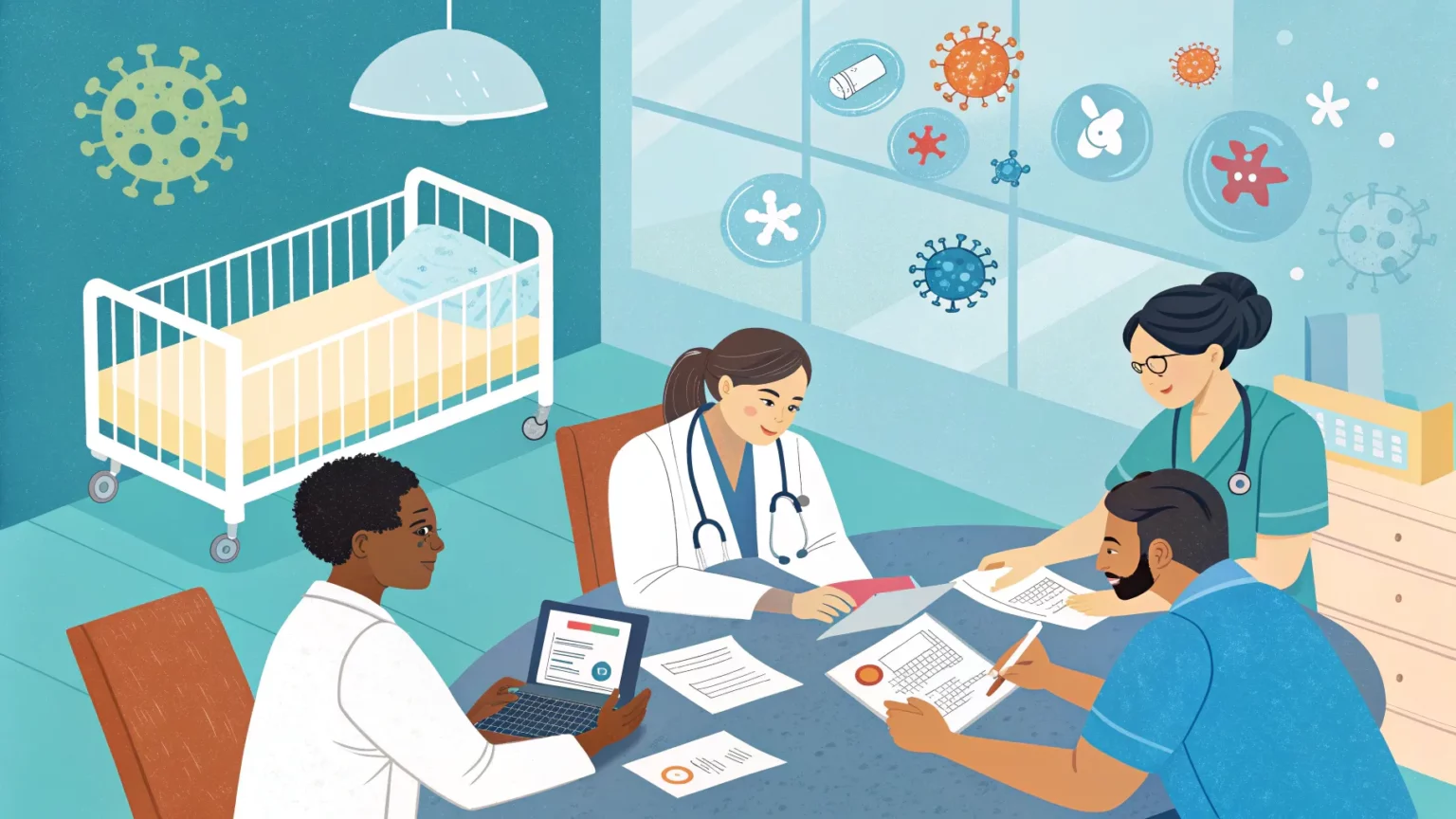
A proposed change to national vaccine guidance would roll back the routine hepatitis B shot given to newborns, a step that alarms many pediatric experts who say it risks undoing decades of progress. The recommendation, advanced by a federal advisory process, would replace the universal birth dose with a more selective approach. The change would affect hospitals and families nationwide and could take effect as soon as next year if approved.
At the center of the debate is a simple claim about what has worked. As one summary of the impact put it:
The new guidance would do away with a decades-old universal birth dose recommendation for hepatitis B that helped cut infections by 99 percent in the U.S.
Hepatitis B is a viral infection that can lead to liver failure and cancer. For infants who get infected at birth, the risk of lifelong infection is very high. The first dose within 24 hours has been a cornerstone of prevention for more than a generation.
How the Birth Dose Became Standard
Universal infant vaccination against hepatitis B was introduced in the early 1990s. Over time, the policy shifted from targeting only babies at known risk to covering all newborns shortly after delivery. That shift addressed gaps in prenatal screening and unexpected exposures in the first days of life.
By pairing the birth dose with maternal screening and, when needed, immune globulin for exposed infants, hospitals sharply reduced transmission. Public health data show that acute infections among children fell dramatically after adoption of the birth dose strategy.
What the Proposal Would Change
The new plan would end the routine shot for every newborn. It would rely on documented maternal test results and provide vaccination based on assessed risk. Supporters of the change argue that prenatal screening is now widespread and that targeted vaccination could be enough for infants with known exposure.
They also note operational concerns. Hospitals must track consent, manage vaccine storage, and coordinate with outpatient clinics for later doses. Some groups argue that the first pediatric visit is a better time to start the series for families who prefer it then.
Why Many Clinicians Are Worried
Pediatricians and infectious disease specialists caution that screening is not perfect. Prenatal care can be missed or delayed. Test results may be unavailable at delivery. In those cases, the birth dose acts as a safety net.


Experts warn that even small gaps can lead to new chains of transmission. One pediatric liver specialist said the risk is simple math: if fewer newborns get protected on day one, more will face exposure that is hard to detect and impossible to reverse.
They point to rising hepatitis B infections among adults linked to the drug crisis and uneven access to prenatal care. Those trends make delivery rooms a critical last checkpoint to prevent lifelong illness.
The Evidence and What It Shows
Public health records tie the sharp decline in pediatric hepatitis B to three tools used together:
- Universal maternal screening during pregnancy.
- The birth dose for every infant within 24 hours.
- Immune globulin for exposed newborns, followed by the full vaccine series.
Research shows that infants who get infected at birth have a very high chance of chronic infection. The birth dose, even when maternal status is unknown, closes that window of risk. Advocates fear that moving away from this practice would raise perinatal infections, especially in overstretched hospitals and in communities with limited prenatal care.
Voices For a Targeted Approach
Some hospital leaders say a selective policy could work if systems ensure real-time test results and rapid follow-up. They stress the need for clear protocols at delivery and reliable handoffs to outpatient clinics. They also argue that giving families more choice about shot timing could improve trust and reduce confusion.
These supporters insist the goal remains unchanged: stop infections early. The method, they say, can shift as data systems and screening coverage improve.
What to Watch Next
The advisory process will weigh safety data, real-world screening performance, and equity concerns. Implementation details will matter as much as the wording. Hospitals will need to show that they can verify maternal results at delivery and vaccinate immediately when those results are missing.
Health departments are preparing for a transition if the policy changes. They plan audits of delivery units, new checklists, and outreach to clinics that provide follow-up doses.
The proposal has set up a clear test for public health. If the switch to selective vaccination keeps infections low, it could lighten workloads without harm. If not, even a modest increase in newborn infections would carry lifelong costs. Families, clinicians, and policymakers will be watching the data closely in the months ahead.