




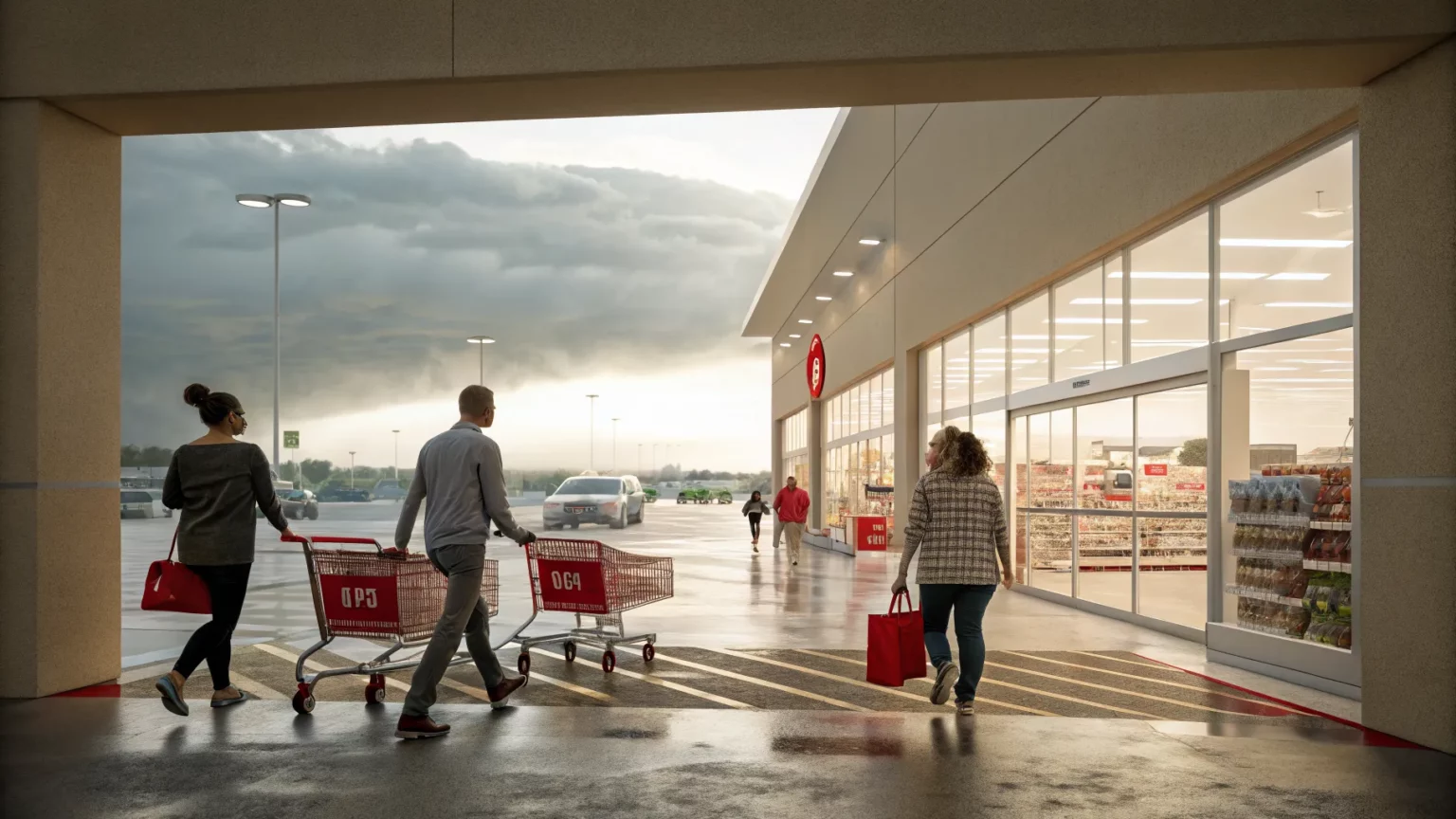
U.S. consumers are opening their wallets at Target again even as fuel costs climb, a shift that hints at steadier demand heading into summer. The rebound suggests households are prioritizing value and convenience, while testing how long they can manage higher everyday expenses.
The message is simple and clear:
American shoppers are brushing off higher gas prices and finally spending money at Target again.
That sentiment points to improving store traffic and a lift in discretionary purchases. It also raises questions about how long consumers can balance higher prices at the pump with weekly budgets.
Background: Fuel Costs and Retail Behavior
When gas prices rise, families often cut back on non-essentials. Past periods of higher fuel costs have led shoppers to consolidate trips, trade down to store brands, or delay big-ticket purchases. Retailers feel those shifts fastest in apparel, home goods, and seasonal categories.
Target occupies a middle ground in retail, drawing budget-minded shoppers for essentials and higher-income customers for style and home. That mix can be a strength when wallets are squeezed. Essentials like groceries and household basics drive repeat visits, while curated assortments can coax add-on purchases when confidence steadies.
Over the last two years, inflation reshaped buying habits. Households focused on staples, waited for sales, and favored retailers with clear value. Any resurgence at Target hints that discounting, loyalty perks, and convenient fulfillment are gaining traction again.
Why Target May Be Rebounding
Several forces could be lifting Target’s sales despite pricier fuel. Price-matching, private-label growth, and tighter promotions can pull cautious customers back. Store pickup and same-day options help shoppers avoid extra trips, lowering the time and fuel burden of errands. Seasonal resets—like outdoor, travel, and back-to-school—also tend to revive traffic if prices feel fair.
- Value and promotions: Clear pricing and timely deals encourage basket growth.
- Mix of essentials: Groceries and household goods bring steady visits.
- Convenience: Pickup and delivery reduce drive time and impulse trips elsewhere.
Some shoppers also appear more confident about their finances. Wage gains in parts of the labor market, along with cooling inflation in some categories, can loosen tight budgets enough for small splurges.



Counterpoints: Fragile Confidence
There are still warning signs. Fuel spikes can drain discretionary dollars quickly, and a few cents more per gallon add up over a month. If prices stay elevated, families may revert to fewer store visits and stricter lists.
Credit card balances remain a concern for many households. Rising interest costs can limit spending, even for modest purchases. If job growth slows or student loan payments strain budgets, a rebound in store traffic may fade.
Industry Impact and What to Watch
A stronger Target suggests resilient demand for mid-priced apparel, home, and seasonal goods. Suppliers tied to those categories could see steadier orders if momentum holds. Competitors that lean heavily on food may see less share shift, but retailers with weaker convenience or loyalty programs could feel pressure.
Key indicators to monitor over the next quarter include:
- Trip frequency: Are shoppers visiting more often, or just buying more per trip?
- Mix shift: Do discretionary items regain share against essentials?
- Promotion depth: Is sales growth driven by heavy discounting or full-price demand?
- Fuel trends: Do gasoline prices stabilize, rise again, or fall?
Digital performance matters, too. If same-day pickup and delivery maintain strong adoption, Target can protect share even if consumers consolidate trips.
The Bigger Picture
Retailers are adapting to a customer who is price-aware, time-pressed, and selective. Clear value, reliable inventory, and fast fulfillment are now standard expectations. Stores that blend those elements with a defined point of view on style and quality stand to gain.
For Target, renewed spending amid higher gas prices signals that its mix of essentials and trend items is connecting again. The durability of this shift will depend on fuel costs, discount strategy, and consumer confidence.
If gas prices ease, the rebound could broaden. If they rise further, shoppers may tighten up once more. For now, the return to red carts offers retailers a cautious sign that value, convenience, and timing can still win the week.