


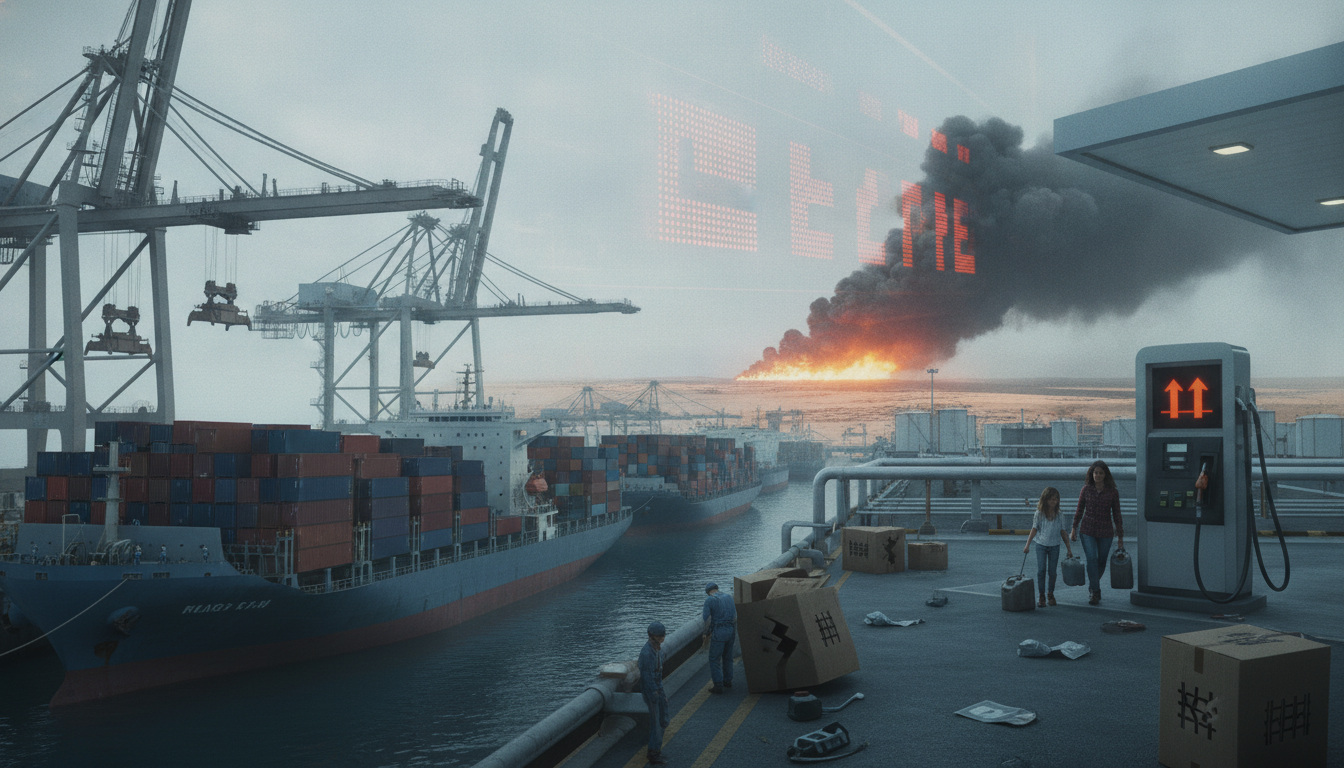
Tariffs have returned just as fighting erupts in the Persian Gulf, sending oil to $100 a barrel and stoking fears of new price shocks and supply strains. Policymakers face a tough mix: trade barriers that can lift costs and an energy shock that can slow growth. Markets are jittery, and households brace for higher fuel and shipping costs as the conflict threatens a key artery for global oil flows.
Tariffs are back, but this time there is a war in the Persian Gulf and oil has hit $100 a barrel.
The combination raises the risk of renewed inflation at a time when many economies are still healing from recent supply chain disruptions. Central banks must weigh inflation control against the risk of recession, while companies rethink sourcing and inventory. The tension in shipping lanes linked to the Gulf could add delays and premiums to cargo insurance, raising prices across industries.
How We Got Here
Tariffs have cycled in and out of policy playbooks in recent years. A major wave arrived in 2018 and 2019, when large economies targeted one another’s goods with higher import taxes. Those actions reshaped supply chains, pushed some production to third countries, and lifted prices for certain inputs.
The Persian Gulf has a long history of influencing oil markets. During the 1990 to 1991 Gulf War, crude prices spiked before easing as supply routes adapted. In 2008, oil climbed well above $100 due to strong demand and financial flows, then fell during the global downturn. Today’s $100 threshold signals tightening supply expectations and heightened security risk.
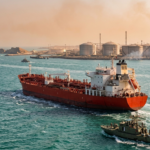
About a fifth of seaborne crude typically passes through waterways linked to the Gulf. Any threat to passage raises freight rates, insurance costs, and travel times. Even rumors of disruption can push prices higher as traders hedge and refiners build buffers.
Inflation Risks and Household Impact
Higher oil prices feed into gasoline, diesel, and jet fuel. Transport costs then reach supermarket shelves, construction sites, and online deliveries. Tariffs can layer on more costs by raising prices for imported machinery, metals, and consumer goods.
For families, the pressure shows up at the pump and on utility bills. For small businesses, higher freight and input costs can cut margins or force price hikes. Services that rely on travel or logistics, like airlines and parcel carriers, may pass along surcharges.
- Energy: fuel prices and heating costs rise fastest.
- Goods: tariffs add to the cost of inputs and finished products.
- Transport: shipping, trucking, and air cargo surcharges increase.
Corporate Moves and Supply Chains
Companies often respond to tariff waves by diversifying suppliers, renegotiating contracts, or shifting assembly to countries with lower duties. If the Gulf conflict disrupts shipping routes, firms may lengthen lead times, expand inventories, or seek alternative energy hedges.



Manufacturers tied to petrochemicals and refined products face a double hit: pricier feedstocks and longer transit. Retailers could bring forward orders to build stock before further price spikes. Technology firms, already managing complex supplier networks, may see higher costs for components that use energy-intensive processes.
Policy Choices and Market Signals
Governments have tools to cool oil shocks. They can coordinate strategic petroleum reserve releases, encourage higher output from producers, or ease shipping bottlenecks. On tariffs, carve-outs or temporary exemptions can help lower costs for critical inputs and keep factories running.
Central banks need to parse which price pressures are temporary and which may linger. If energy-driven inflation persists, they could stay cautious on rate cuts. If demand weakens, they may shift to support growth. Currency moves also matter, since a stronger dollar can make oil costlier in other markets.
What to Watch Next
Traders will track shipping activity near Gulf chokepoints, refinery runs, and any rerouting of tankers. They will also watch announcements from major oil producers on output plans and from finance ministries on tariff timelines and exemptions.
Key indicators include weekly fuel prices, freight rates, and inflation data. Corporate earnings calls may reveal how firms are adjusting sourcing and pricing. Labor markets will be important: if higher costs slow hiring, growth could cool faster than expected.
Policymakers face a narrow path. A coordinated energy response, clear tariff guidance, and targeted support for vulnerable sectors could lessen the shock. If the conflict widens or tariffs spread to more goods, the drag could deepen.
The message is clear: an oil price at $100 and renewed tariffs pull in the same direction on costs. The scale and duration will decide the size of the impact. Watch for policy coordination, shipping stability, and signs that businesses can adapt quickly. The next few weeks will set the tone for prices, confidence, and growth in the months ahead.