




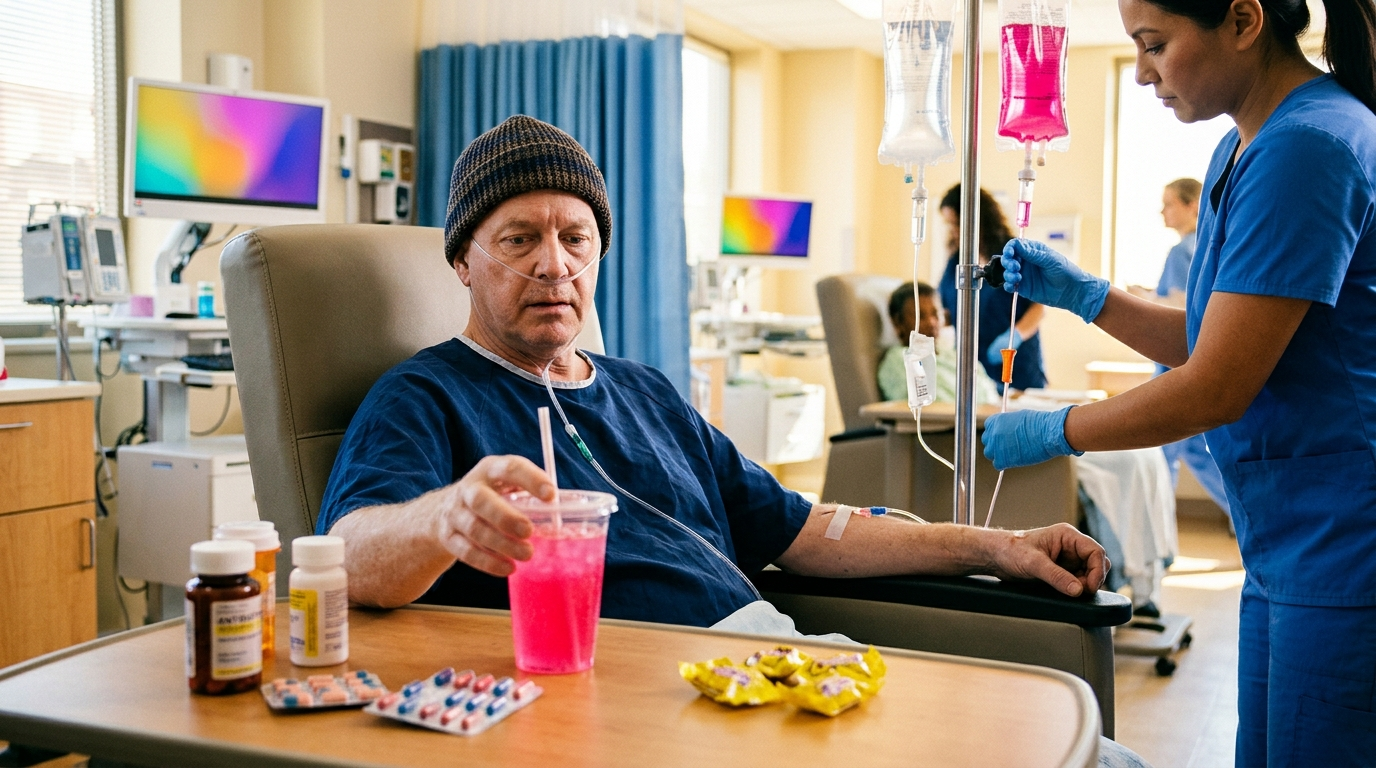
Consuming sugar while taking antibiotics was linked to greater damage to gut microbiome diversity among people treated for blood cancer. The finding raises practical questions about diet during a period when patients often face infections, weakened immunity, and intensive medication use.
The reported link does not prove that sugar alone caused the damage. Still, it points to a possible interaction between diet and antibiotics in patients whose gut bacteria may already be under severe strain.
Why Microbiome Diversity Matters
The gut microbiome includes bacteria and other microorganisms living in the digestive system. These organisms help process food, support immune activity, and limit the growth of harmful microbes.
Diversity refers to the number and balance of microbial species. Lower diversity has been associated with poorer health in several settings, though its meaning can vary between patients and diseases.
People receiving treatment for leukemia, lymphoma, and other blood cancers can experience major microbiome changes. Chemotherapy, altered diets, hospital stays, and antibiotics may each affect gut organisms.
Antibiotics are often necessary because cancer treatment can reduce infection-fighting white blood cells. However, these drugs may also kill beneficial bacteria alongside the organisms causing an infection.
Sugar May Add Pressure During Antibiotic Use
The central observation was clear: sugar consumption during antibiotic treatment coincided with greater harm to microbial diversity.
“Consuming sugar while on antibiotics boosted harm to the diversity of the gut microbiome.”
One possible explanation is that diet changes which microbes can survive and grow after antibiotics disrupt the gut community. Sugar may favor some organisms over others, making recovery less balanced. The limited information available does not establish a biological mechanism.



The finding also leaves several important questions unanswered:
- How much sugar patients consumed
- Which antibiotics and cancer treatments they received
- How long microbiome changes lasted
- Whether reduced diversity affected infections or recovery
Those details matter because blood cancers and their treatments differ widely. A patient receiving a short antibiotic course may face different risks from someone undergoing prolonged treatment or a stem cell transplant.
Patients Should Avoid Sudden Diet Changes
The result should not be treated as a reason to stop prescribed antibiotics. For immunocompromised patients, untreated infections can become life-threatening, and antibiotic decisions require medical supervision.
It also does not support removing every source of sugar without clinical advice. Patients may struggle with nausea, mouth sores, poor appetite, or weight loss. In those cases, maintaining enough nutrition can take priority over broad dietary restrictions.
Added sugars and naturally occurring sugars also come from different foods. Fruit, dairy products, sweetened drinks, and desserts have distinct nutritional profiles. Research would need to separate these sources before offering precise guidance.
More Evidence Is Needed
Future studies could track diet, antibiotic exposure, and stool samples over time. Researchers could then test whether limiting added sugar preserves microbial diversity and whether that change improves outcomes that matter to patients.
For now, the finding offers a warning rather than a treatment rule. It suggests that nutrition may influence how the gut responds to antibiotics during blood cancer care. Patients should discuss diet with their oncology team, while researchers examine whether targeted dietary changes can reduce microbiome damage without weakening nutrition or infection treatment.