



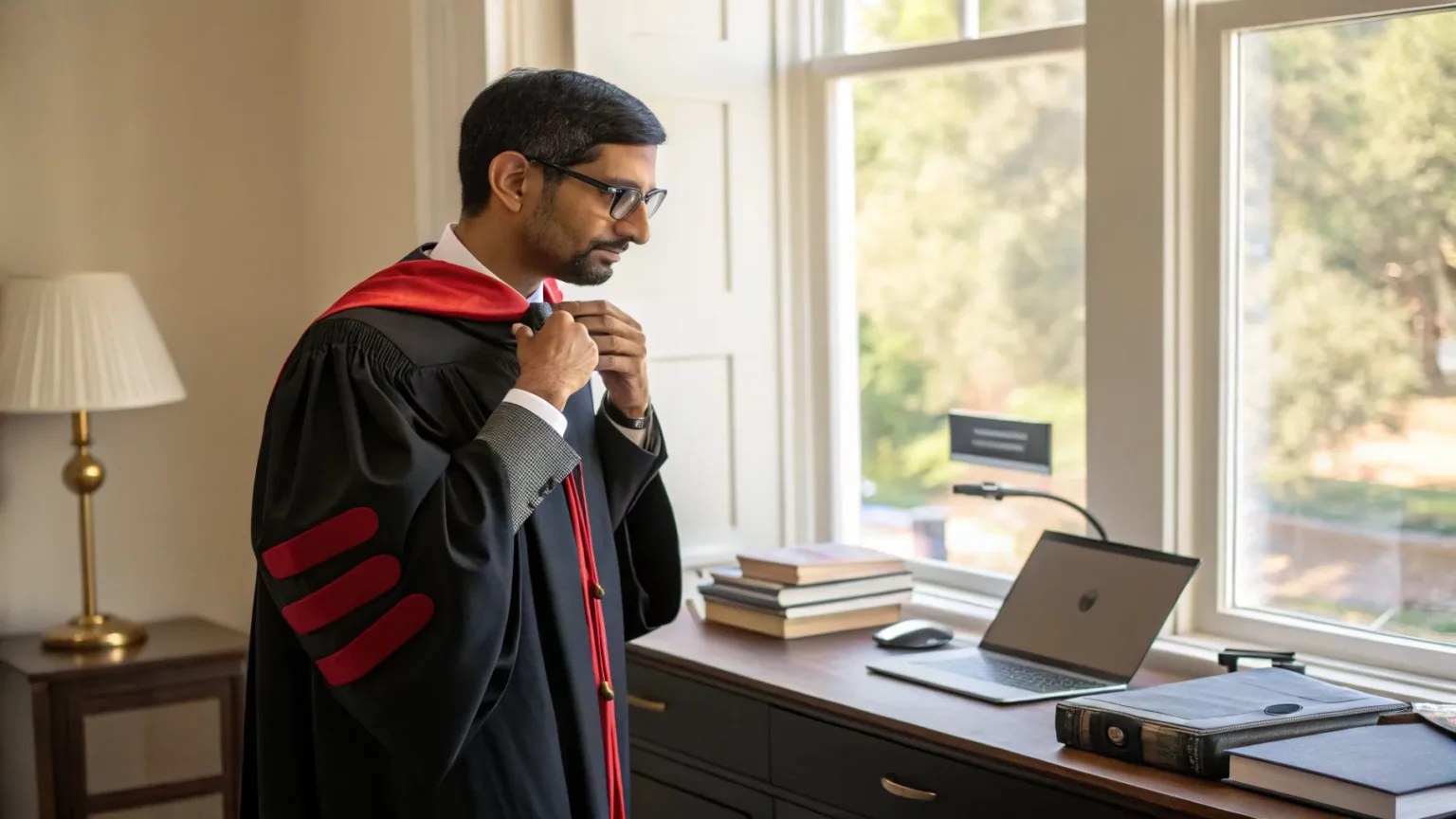
Google CEO Sundar Pichai plans to address Stanford graduates next month, signaling a high-profile moment in a season when commencement speakers often meet anxious, vocal audiences. The event in California will draw attention to how universities and corporate leaders navigate a charged cultural moment while celebrating academic achievement.
Pichai is one of the world’s most visible technology executives. His speech comes as many campuses weigh how to host ceremonies that feel safe, respectful, and meaningful. It will test how a leading figure in tech connects with graduates entering a job market shaped by artificial intelligence, shifting hiring needs, and public debate over the role of large platforms.
Why This Commencement Matters
Commencement speeches have long served two purposes: to honor graduates and to offer guidance at a turning point. Recent ceremonies across the country have also become forums for protest. Students and attendees are more likely to voice frustration or challenge speakers on issues from technology ethics to social policy.
Against this backdrop, Pichai’s appearance carries weight for several reasons. He leads a company at the center of debates over online information, data privacy, and AI safety. His remarks could address how new tools affect jobs and learning, and what responsibilities technology firms have to the public.
He says he’s “ready for his turn at Stanford next month.”
That confidence hints at a prepared message tailored for a discerning audience. Graduates and families will look for plain talk about opportunity, risk, and leadership.
Technology’s Role in the Graduation Moment
Over the past decade, high-profile tech leaders have become regular figures at commencements. Their messages often focus on adaptation, resilience, and the value of experimentation. For students entering fields touched by automation and AI, such advice can feel both hopeful and uncertain.
Universities, meanwhile, weigh the benefits of inviting influential industry figures against concerns from parts of the student body. They also balance security and openness, trying to ensure that celebration and dissent can coexist without incident.
- Graduates want insight on career paths shaped by AI.
- Faculty and families value ceremonies that remain focused and respectful.
- Administrators prepare for peaceful expression while minimizing disruption.
What Graduates May Want to Hear
Stanford graduates will likely expect practical guidance. Many are entering a labor market that rewards agility. They may want clear views on how to build skills across software, data, and product roles, and how to stand out when tools automate routine work.


Pichai could address concerns about fairness in hiring algorithms, the impact of AI on creative work, and the importance of ethics in product design. He might also reflect on how large platforms can support reliable information while reducing harm.
Balancing Applause and Accountability
Speakers today often face tough questions from students who seek transparency. Corporate leaders are asked to explain how they weigh growth with social impact. That is especially true for major technology companies that manage search, ads, and cloud services used by millions.
At the same time, commencements are moments of unity. Many attendees want inspiration rather than confrontation. The best speeches acknowledge concerns while keeping the focus on graduates’ achievements and future paths.
What to Watch at Stanford
The tone of the event will matter as much as the content. A candid, forward-looking message could resonate with students across disciplines. The delivery will likely blend personal stories with clear advice on learning fast, working across teams, and acting with integrity.
Universities and companies alike will study the response. A constructive reception could encourage more open dialogue between campuses and industry leaders. A tense reaction could prompt institutions to revisit their approach to speaker selection and event planning.
As commencement season unfolds, attention will turn to how speakers align optimism with realism. Pichai’s appearance offers a test case. If he connects with graduates while addressing hard questions, the speech could set a tone for how tech leaders engage with the next generation. If not, it may reinforce calls for a different kind of podium—one that centers student voices more directly. Either way, the moment will signal how academic rituals adapt to a period of rapid change.