



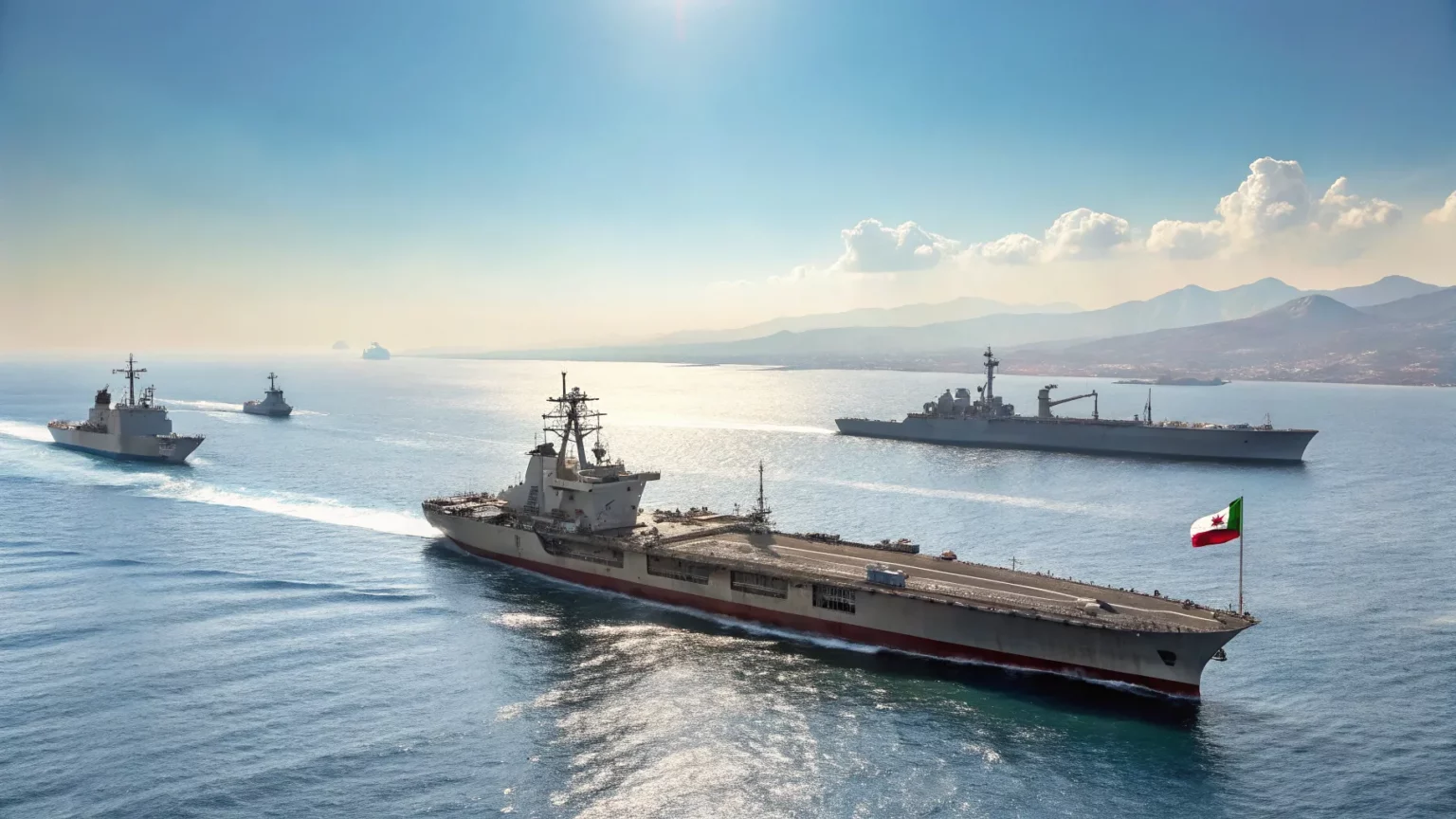
U.S. President Donald Trump warned Iran to reopen the Strait of Hormuz by Monday, escalating a high-stakes standoff over one of the world’s most important shipping lanes. Tehran dismissed the warning as “unbalanced and foolish,” while U.S. search teams continued looking for a missing American military pilot in a remote area of Iran on Saturday. The exchange raised fears of fresh disruption to global energy flows and a potential military misstep.
Why The Strait Matters
The Strait of Hormuz connects the Persian Gulf to global markets. It is a narrow channel, only about 21 miles wide at its narrowest point, but it carries a large share of the world’s seaborne oil. Energy analysts estimate about one-fifth of globally traded crude passes through the strait on any given day.
Any closure, even short-lived, can jolt oil prices, strain tanker routes, and test naval patrols that safeguard commercial traffic. The United States, Iran, Gulf producers, and major importers in Asia all have pressing interests in keeping the waterway open.
Competing Messages And Rising Tension
Trump set a public deadline, turning a diplomatic dispute into a countdown with military and economic stakes. Iranian officials responded with sharp language, signaling they would not yield to pressure.
Tehran called his threat “unbalanced and foolish.”
Iran’s leaders have long argued that their actions in the Gulf respond to what they view as U.S. pressure and sanctions. Washington, in turn, says it is acting to protect commercial shipping and deter attacks or seizures at sea.
Search For A Missing U.S. Pilot
While rhetoric climbed, the Pentagon kept focus on a human crisis. The search for a missing U.S. military pilot continued Saturday in a remote part of Iran. Few details were released. The effort highlights the risk of miscalculation when military aircraft and naval patrols operate near tense borders and busy sea lanes.
Military analysts say rescue operations under these conditions are complex. Terrain, air defenses, and political access can slow teams and raise the risk to search aircraft and crews.
History Repeats In The Gulf
The region has seen similar flashpoints. In 2019, a series of tanker attacks and ship seizures rattled markets and led to more patrols by the U.S. Navy and allied fleets. Earlier episodes in the late 1980s, during the Iran-Iraq War, also disrupted shipping and prompted convoy operations.



These incidents show how fast a single strike, seizure, or misread signal can force governments to act. Insurance rates climb, shippers reroute, and producers weigh output cuts or storage limits.
Economic And Security Stakes
Oil traders watch the strait for signs of supply risk. A brief blockage can trigger price spikes. A longer stoppage would strain reserves held by major importers and test global spare production capacity.
- About one-fifth of seaborne crude moves through the strait.
- Even a few days of disruption can add dollars to each barrel.
- Maritime insurers often raise premiums when risk rises.
Security planners also weigh the risk of escalation. Naval escorts, air patrols, and minesweeping ships reduce threats but cannot remove them entirely in a narrow channel with heavy traffic.
What Each Side May Do Next
The U.S. can increase naval presence, tighten sanctions, and seek support from European and Asian partners that rely on Gulf energy. It can also push for a maritime security coalition to share patrols and intelligence.
Iran can signal defiance with drills, missile tests, or inspections of foreign tankers. It can also use diplomatic channels to press for sanctions relief, while maintaining that it is acting within its rights in nearby waters.
Regional states, including Gulf producers, are likely to urge restraint while readying contingency routes and tapping storage to steady supply.
Outlook
With a deadline set and a rescue mission underway, the margin for error is thin. Markets will watch tanker traffic data, insurance rates, and any sign of naval incidents. Diplomats will look for backchannel talks to reduce risk.
The immediate test is whether shipping flows continue without interference and whether the missing pilot is found safely. The broader question is whether Washington and Tehran can avoid a cycle of action and reaction that endangers crews, cargo, and regional stability. For now, steady communication at sea and quiet diplomacy on land are the most likely brakes on escalation.