


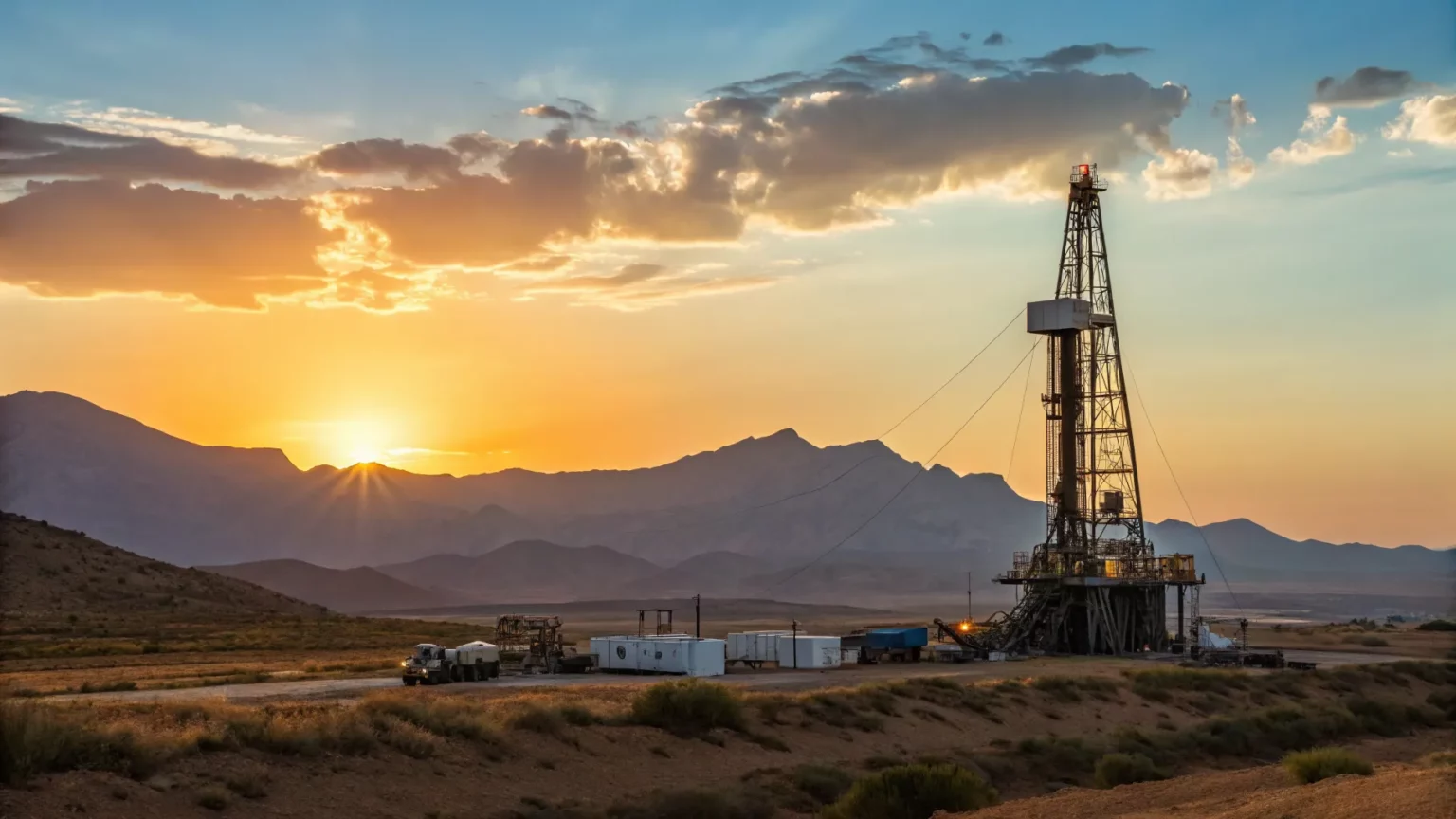
Utah has approved a law designed to protect oil companies from efforts to make them pay for climate damages, and policy advocates say a national version is under discussion. The move arrives as cities and states across the country pursue lawsuits that seek to hold energy producers liable for decades of warming and extreme weather. Supporters frame the new shield as an economic safeguard. Critics see it as a setback for accountability.
“Utah passed a law to insulate oil companies against efforts to make them pay for their role in global warming. A nationwide version is in the works.”
Why It Matters Now
The debate over who should pay for climate costs has intensified. Local governments face rising bills to harden infrastructure, fight wildfires, and recover from flooding. Many have turned to the courts, arguing that major oil and gas firms misled the public about the risks of fossil fuels and should share the burden. Utah’s action seeks to close off that path within the state.
Backers argue that litigation creates uncertainty for employers and could raise fuel and heating costs. Opponents warn that shielding companies shifts costs to taxpayers and ratepayers and discourages cleaner energy choices. The talk of a federal version raises the stakes because it could set a uniform rule that affects ongoing and future lawsuits nationwide.
Background: A Wave of Climate Lawsuits
Over the past several years, dozens of cities, counties, and several states have filed suits against major energy producers. The complaints often rely on consumer protection or public nuisance theories and seek funds for adaptation projects. Courts have been weighing where these cases belong, in state or federal court, and what legal standards apply.
Industry groups contend that energy policy should be set by legislatures, not courts. They say oil and gas remain essential for transportation, manufacturing, and power generation, and that retrospective liability could disrupt supply chains and jobs. Environmental advocates respond that companies long understood the warming effects of carbon emissions, continued aggressive marketing, and should help pay for damages.
Inside Utah’s Approach
While specific language varies, liability shield laws generally limit or bar certain claims tied to the production, sale, or use of fossil fuels. They may restrict public nuisance suits, cap damages, or direct disputes to regulatory agencies instead of courts. Utah’s measure aligns with those aims, signaling the state’s intent to reduce legal exposure for energy producers operating within its borders.
Supporters in Utah argue the state’s economy depends on reliable energy and that long-running lawsuits drain public resources. Critics say the law could block local communities from seeking compensation for heat, drought, or air quality harms linked to fossil fuel use.
Prospects for a National Version
Discussion of a federal shield suggests a coordinated push. A national law could preempt state causes of action and halt or reshape active litigation. That would please industry and some labor groups that fear job losses. It would frustrate plaintiffs who have invested years building cases and gathering evidence.


- If enacted, a federal shield could standardize rules across states.
- It could protect companies from large damage awards tied to climate impacts.
- It might channel disputes to Congress or federal agencies instead of courts.
Legal scholars note that preemption fights are complex. Any national law would face court challenges over separation of powers, federalism, and retroactive limits on claims. How Congress drafts the bill would shape those outcomes.
Economic and Social Implications
The policy choice reflects a trade-off. Shielding firms may preserve investment and keep energy prices steadier in the short term. It also risks leaving public budgets to handle mounting climate costs. Without settlements or judgments, cities may rely more on bonds, insurance, or federal disaster aid. Insurers, in turn, may raise premiums or withdraw coverage in high-risk areas, adding pressure on homeowners and small businesses.
Utah’s move may prompt other states to follow with similar protections or, conversely, to strengthen consumer and environmental statutes. The patchwork could intensify calls for a national rule—either a shield or, on the other side, a federal “polluter pays” framework.
Utah’s decision signals where one energy-producing state stands in the growing fight over climate liability. The coming debate over a federal version will test how the country balances accountability, affordability, and energy security. Lawmakers and courts will shape the next chapter, but for now, taxpayers, consumers, and companies are watching to see which costs—and which responsibilities—remain on the table.