

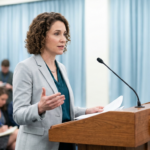



California, Oregon and Washington are confronting some of the highest unemployment rates in the country, a shift tied to a cooling tech job market as artificial intelligence changes how companies hire. The slowdown has gathered speed this year across major hubs like the Bay Area, Seattle and Portland, where employers are refocusing on automation and efficiency. State labor officials and business leaders are weighing how to steady growth while workers search for new paths.
California, Oregon and Washington have some of the highest unemployment rates in the nation, as AI reshapes the West Coast’s dominant tech industry by sharply slowing hiring in that sector.
Background: A Tech Engine Hits a Brake
For more than a decade, the West Coast led national job growth through software, cloud computing and venture-backed startups. Hiring surged during the pandemic as remote work and digital services expanded. By late 2022, that pace began to cool as interest rates rose and firms cut costs.
In 2023 and 2024, major tech employers shifted spending to generative AI tools. Companies prioritized data centers and model development, but many paused hiring across noncritical roles. Recruiters report longer approval cycles and smaller headcounts even for growing teams.
This recalibration has filtered through contractors, vendors and local services that rely on tech payrolls. The result shows up in state jobless numbers that sit above the national average.
Why AI Is Slowing Hiring
Executives are under pressure to show productivity gains from AI. Many now expect existing staff to pilot tools that automate coding, customer support and marketing drafts. That reduces the need for new hires in the near term.
Tech leaders also say firms want specialized talent in machine learning and data engineering. Those roles are scarce and costly. Broader hiring remains cautious until returns from AI investments are clearer.
- Automation is replacing tasks in software, support and operations.
- Budgets are shifting to infrastructure and high-skill AI roles.
- Hiring freezes extend to adjacent teams while pilots are tested.
Impact on Workers and Cities
The slowdown is hitting mid-career professionals hardest. Recruiters note longer searches for product managers, designers and generalist engineers. Many are turning to contract work, short-term projects or upskilling in data and AI tools.
Local economies feel the pullback. Restaurant and retail spending near tech corridors is weaker than last year. Office attendance remains uneven, which affects transit and downtown services. Rents have softened in some neighborhoods, yet home costs remain high, adding pressure for those between jobs.


Community colleges and universities report rising interest in AI certificates. Students want to pair domain skills with prompt engineering, data analytics and model evaluation. Career centers are advising job seekers to show measurable outcomes with AI tools, not just familiarity.
Different Paths Across the Three States
California’s large concentration of tech headquarters means broader exposure to hiring freezes. The Bay Area sees the sharpest reset, while Southern California’s entertainment tech and biotech provide partial offsets.
Washington’s economy is tightly linked to a few major employers. Hiring decisions at large cloud and e-commerce firms ripple through suppliers and contractors statewide.
Oregon’s job market is influenced by hardware and chip manufacturing cycles. Investment in advanced manufacturing is a bright spot, but near-term hiring remains selective.
What Employers Say They Need
Hiring managers describe a two-track approach. Teams seek a small number of high-skill AI roles, and they expect other roles to integrate AI into daily work. Project leads want candidates who can document cost savings and quality gains from using AI systems.
Security and compliance skills are rising in value. Firms deploying AI tools must manage data privacy, model risk and vendor contracts. This creates opportunities in governance and audit functions.
What Policymakers Are Weighing
State and local leaders are looking at targeted training funds and incentives tied to hiring. Workforce programs are steering grants to AI literacy, cybersecurity and advanced manufacturing. Some cities are reviewing permits for new data centers to support growth balanced with energy goals.
Labor groups emphasize support for displaced workers. Proposals include extended benefits during retraining, faster credential programs and help for small businesses in tech-heavy neighborhoods.
Outlook: Signs To Watch
Analysts point to three indicators in the months ahead. First, whether AI pilots move into full deployment with new staffing plans. Second, the pace of data center buildouts and related hiring. Third, a pickup in venture funding for startups beyond core AI, which could broaden opportunities.
If employers see clear returns from AI adoption, they may reopen requisitions later this year. For now, the West Coast is adjusting to a slower hiring cycle as companies test how much work AI can handle.
The region’s long-term strengths in talent and innovation remain intact, but the job market is in transition. Workers who can pair domain skills with practical AI use are best positioned. Policymakers and employers will need to coordinate on training and targeted growth. The next test will be whether pilot projects translate into steady jobs rather than only efficiency gains.