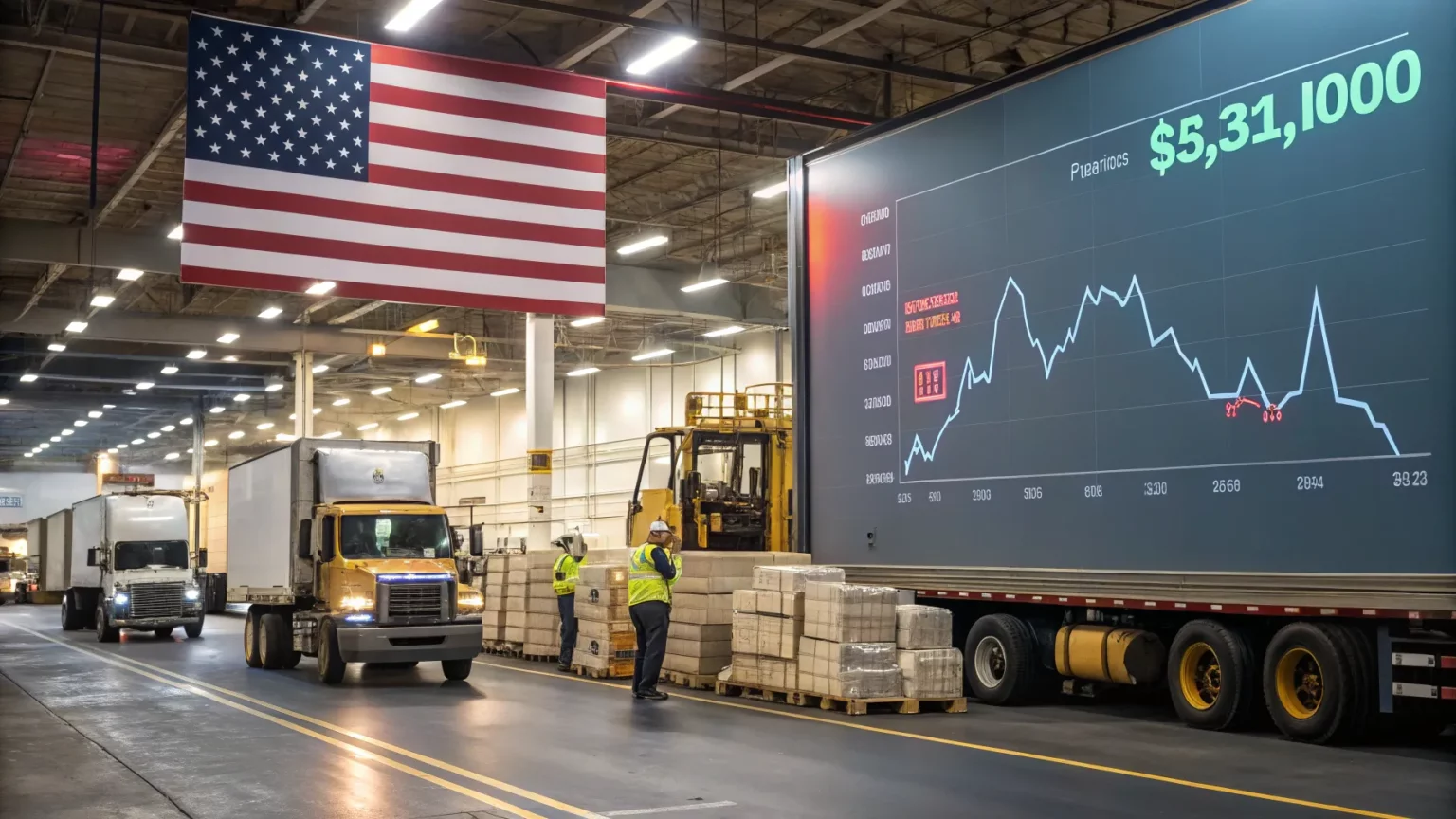
American businesses are absorbing significant portions of tariff costs, with financial impacts comparable to corporate tax increases, according to analysts. The economic burden has directly affected company earnings as businesses navigate trade policy challenges.
Companies across various sectors have been forced to manage these additional expenses, often unable to pass the full costs to consumers. This financial pressure comes at a time when many businesses are also dealing with inflation and supply chain disruptions.
Financial Impact on Corporate America
Analysts point out that tariffs function similarly to tax increases from a corporate finance perspective. When companies import goods subject to tariffs, they must either absorb these costs or pass them along to customers—a decision that can affect competitiveness and market share.
The tariff burden has been particularly noticeable in quarterly earnings reports, where companies have specifically cited trade costs as factors reducing profitability. Unlike some business expenses that might generate returns, tariff costs represent a direct reduction to bottom-line performance.
For many businesses, these costs have required adjustments to financial forecasts and business strategies. Some companies have reported millions in additional expenses directly attributable to tariff payments.
Strategic Responses from Businesses
In response to tariff pressures, American companies have implemented various strategies to maintain profitability:
- Restructuring supply chains to source from non-tariffed countries
- Negotiating with suppliers for price concessions
- Implementing cost-cutting measures in other operational areas
- Selectively increasing prices where market conditions allow
Many businesses have found themselves unable to quickly adjust supply chains built over decades. Manufacturing companies with specialized component needs have been particularly challenged in finding alternative sourcing options.
Industry-Specific Effects
The impact of tariffs has varied significantly across industries. Manufacturing sectors with heavy reliance on imported raw materials or components have reported more substantial effects on their financial performance.



Technology companies dependent on global supply chains have faced particular challenges, as many specialized components come from countries affected by tariff policies. Consumer goods manufacturers have also reported significant pressure on margins.
“These tariffs hit the bottom line exactly like a tax increase would,” analysts note, highlighting the direct financial impact that cannot be mitigated through typical tax planning strategies.
Retailers have faced a complex balancing act between maintaining competitive pricing and protecting profit margins. Some have been forced to accept lower profits rather than risk losing market share through price increases.
The ongoing nature of these tariff costs has required companies to make longer-term strategic adjustments rather than treating them as temporary expenses. This has included reconsidering investment plans, hiring decisions, and capital allocation strategies.
As trade policies continue to evolve, American businesses face continued uncertainty about future tariff costs and their impact on financial performance. Analysts suggest that companies with more flexible supply chains and stronger pricing power will be better positioned to manage these challenges going forward.