



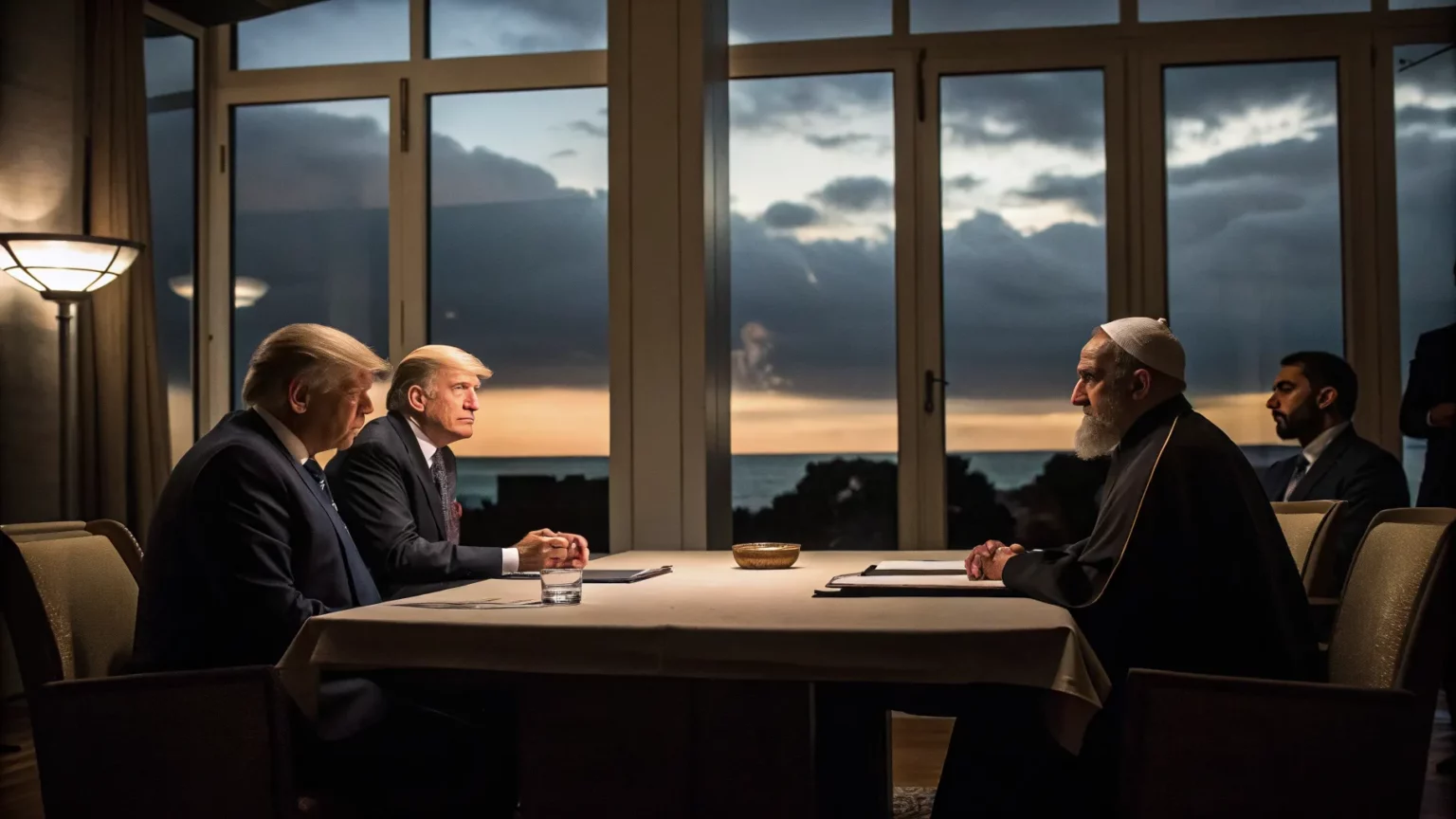
A fragile two-week ceasefire between the United States and Iran is close to expiring, raising urgent questions about whether negotiators can secure a broader deal to end a war that has killed thousands and rattled energy markets worldwide. With the deadline approaching, diplomats face a narrow window to convert a pause in fighting into a path out of the crisis.
“As the clock runs down on a two-week ceasefire agreed to by the US and Iran, the key question is whether they can reach a deal to end a war that has killed thousands of people and sparked a global energy crunch.”
Why the Clock Matters
Ceasefires create space for talks, but they also test trust. As the end date nears, parties often rush to gain leverage, both on the ground and at the table. That can raise the risk of miscalculation. The pressure is higher here because the conflict has already led to heavy casualties and strained global supply chains.
Diplomats say the immediate goals are simple: keep the guns silent, allow more aid into hard-hit areas, and set a schedule for detailed talks. The harder part is building a framework that addresses core disputes, security concerns, and the fate of detainees or captured fighters.
Background: Years of Tension and Short Windows
The United States and Iran have experienced cycles of confrontation and limited engagements for decades. Past episodes show that short truces can cool tempers but rarely solve deeper issues on their own. Success often depends on whether both sides believe a longer pause serves their interests more than a return to fighting.
Regional dynamics add layers of risk. Local groups aligned with each side often shape conditions on the ground. If they do not see gains in the talks, they may act on their own, making a fragile pause even harder to hold.
Energy Markets on Edge
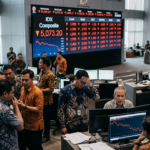
The conflict has contributed to what many describe as a global energy crunch. Traders reacted to supply fears and threats to transit routes. Shipping insurers raised premiums, and some cargoes shifted to longer routes.
Oil and gas prices have been volatile as a result. Even the ceasefire did not fully calm the market. Many buyers and sellers remain cautious until they see a lasting deal and fewer risks to production and transport.
- Short-term supply fears can lift prices quickly.
- Longer-term investment decisions hinge on clear security signals.
- Transit risks affect shipping costs and delivery times.
Humanitarian Needs and Civilian Safety
With thousands reported dead, aid groups insist that any extension must come with reliable access for relief convoys. Food, medicine, and power supplies have been strained. Clinics report shortages and staff working under stress.



Humanitarian agencies often require hours or days of advance notice to move safely. A ceasefire can unlock that planning. But if the pause lapses, routes close and deliveries stall, worsening conditions for civilians.
What a Deal Could Look Like
Negotiators often start with confidence-building steps. These can include prisoner exchanges, verification mechanisms, and rules to prevent accidental clashes. Clear lines of communication matter. So do timelines that define when parties must take each step.
Experts point to several elements that tend to help:
- Verification: Independent monitoring to confirm compliance.
- Sequencing: A staged plan that sets milestones and reviews.
- De-escalation Hotlines: Rapid channels to address incidents.
- Humanitarian Corridors: Protected routes for aid and evacuations.
Any framework will also need political backing at home. Without that, even a carefully drafted plan can falter when pressure rises.
Regional and Global Stakes
Allies and rivals are watching. Some seek assurance that security ties will hold. Others hope a deal will lower tensions that spill across borders. Major energy importers want stable flows to limit costs for consumers and businesses.
Financial markets, too, are sensitive to headlines from the talks. A credible extension could ease nerves. A breakdown could trigger new sell-offs and higher hedging costs.
Risks If Talks Fail
If the ceasefire expires without an agreement, the most immediate risks are renewed strikes and supply disruptions. That would likely deepen the energy crunch and complicate future talks. Humanitarian conditions could deteriorate fast as aid corridors close.
Escalation also raises the chance of an incident that pulls in other actors. History shows that once violence resumes, it can be harder to stop the second time.
As the deadline nears, the choice is stark. Extend the pause and test a path to a broader deal, or slide back into a costly fight with wider fallout. The coming days will signal whether quiet channels and public pledges can hold. Watch for signs of extended access for aid, stable transit routes, and a schedule for next-step talks. Those will be the clearest markers that this fragile opening can turn into lasting relief for civilians and steadier energy markets.