




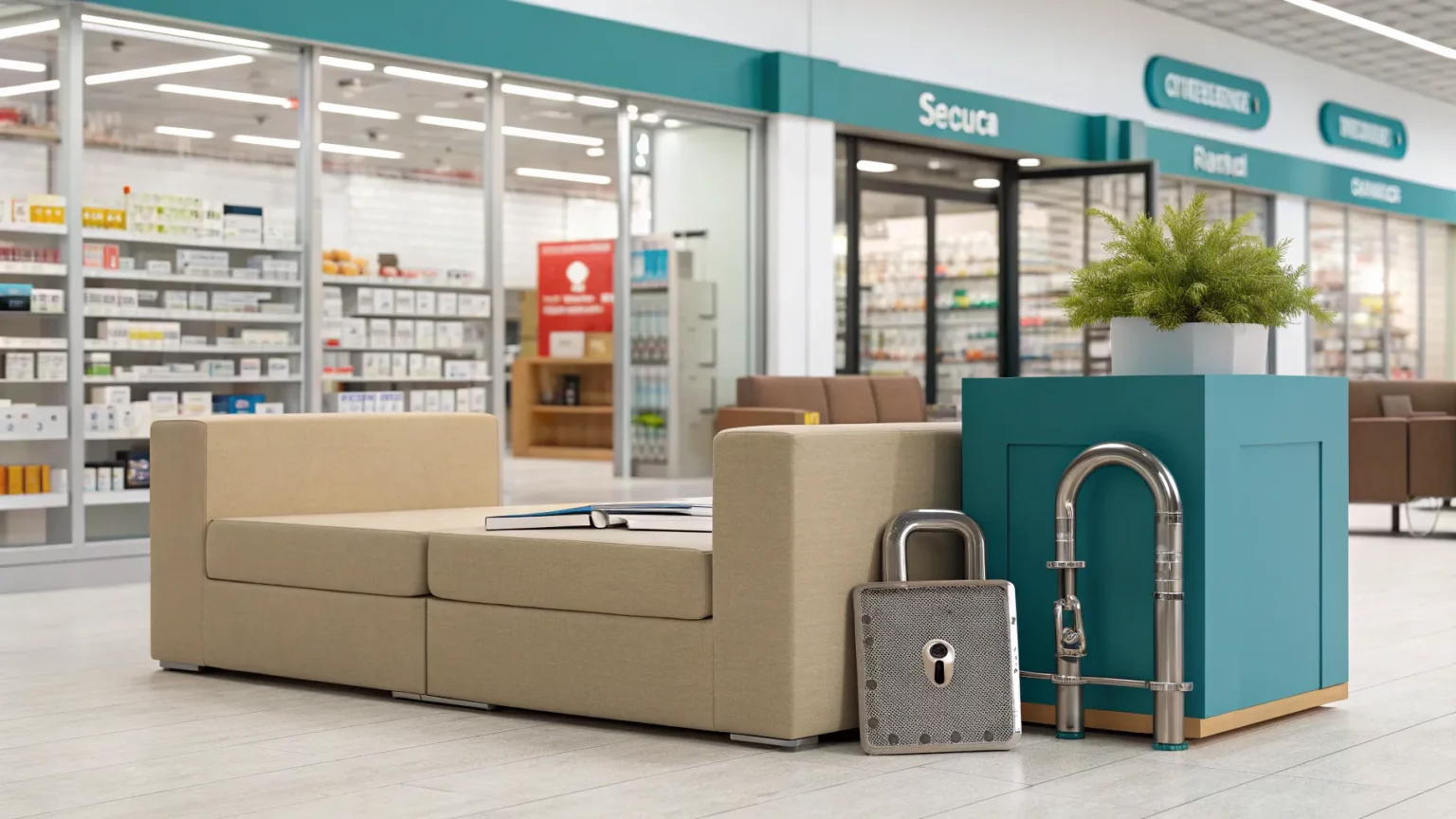
The administration has moved to levy new tariffs on imported pharmaceuticals and furniture, invoking national security powers that stand apart from ongoing trade lawsuits. The action signals a new phase in tariff policy, one that may avoid the legal tests facing other trade measures. It also raises fresh questions for manufacturers, health systems, and consumers who will feel the effects.
Legal Basis And Why It Matters
The tariffs rely on national security authorities that allow the executive branch to restrict trade to protect critical supply chains. These powers have been used before in metals and technology cases. They are harder to challenge because courts often defer to security claims.
By choosing those laws, the administration positions the measures outside the scope of current suits filed over other tariffs. Many plaintiffs have targeted different statutes and procedural steps. That creates a split track for litigation and policy.
The president’s tariffs on foreign drugs and furniture rely on national security laws outside the scope of current lawsuits.
Trade lawyers say the distinction is key. Security-based tariffs can be set quickly and reviewed narrowly. Cases that question economic or procedural claims may not reach them.
What It Means For Health Care And Home Goods
Pharmaceutical buyers could see higher costs if levies hit generic drugs and active ingredients sourced abroad. Hospitals and insurers have thin margins and pass costs through the system. Shortages could become more likely if suppliers exit the market.
Furniture makers at home may welcome relief from cheaper imports. But retailers that rely on foreign lines could face higher prices and delays. Consumers already dealing with inflation may see price tags rise for essentials like beds, couches, and storage.
Importers have warned that sudden tariffs can disrupt shipping schedules and inventory planning. Contracts signed months in advance do not account for new duties. That can strain small businesses with limited cash flow.
How We Got Here
National security trade tools have expanded in scope over the past decade. Prior administrations used similar authority for steel and aluminum. Courts have hesitated to second-guess the executive on what counts as a security risk.



Supply chain shocks during the pandemic hardened views on dependency. Shortfalls in medical gear and drugs pushed officials to revisit local production. Legislators have debated narrower rules, but the core security powers remain intact.
Separately, lawsuits have challenged other tariff programs on process and statutory limits. Those cases test notice, comment, and economic rationale. The new measures sit on a different legal island.
Competing Views From Stakeholders
Supporters argue that drugs and furniture production touch public safety and industrial capacity. They say tariffs can buy time to build plants at home. They point to the need for resilient supplies.
Critics warn that tariffs are a tax on buyers. Health advocates fear higher drug prices will hit patients quickly. Retail groups say furniture duties will squeeze families and first-time renters.
Trade scholars split on the legality. Some view the move as within broad security discretion. Others worry it stretches the concept and invites retaliation from trading partners.
What To Watch Next
Several developments will shape outcomes in the coming weeks and months.
- Whether new lawsuits challenge the security rationale directly.
- How agencies define covered products and issue exemptions.
- Price changes in generic drugs and key furniture categories.
- Retaliatory steps by affected countries and any WTO action.
- Congressional oversight efforts to narrow or clarify security powers.
Economic And Policy Outlook
Tariffs can nudge factories home, but the shift takes years. In the near term, businesses may re-route orders to countries not covered by duties. That could blunt policy goals while keeping prices elevated.
Health systems might seek long-term contracts with domestic suppliers. Furniture retailers could diversify product lines and reduce variety to manage costs. Both sectors will test pass-through pricing against demand.
If courts uphold the security basis, future administrations may rely on it more often. That could normalize targeted tariffs across new categories. If courts curtail it, the policy map will change fast.
The immediate takeaway is clear. By anchoring tariffs in national security, the administration positioned them beyond the current wave of lawsuits. Consumers, hospitals, and retailers will bear early costs while the legal and policy fights play out. Watch for narrow exemptions, early price data, and fresh litigation to signal the next turn.