




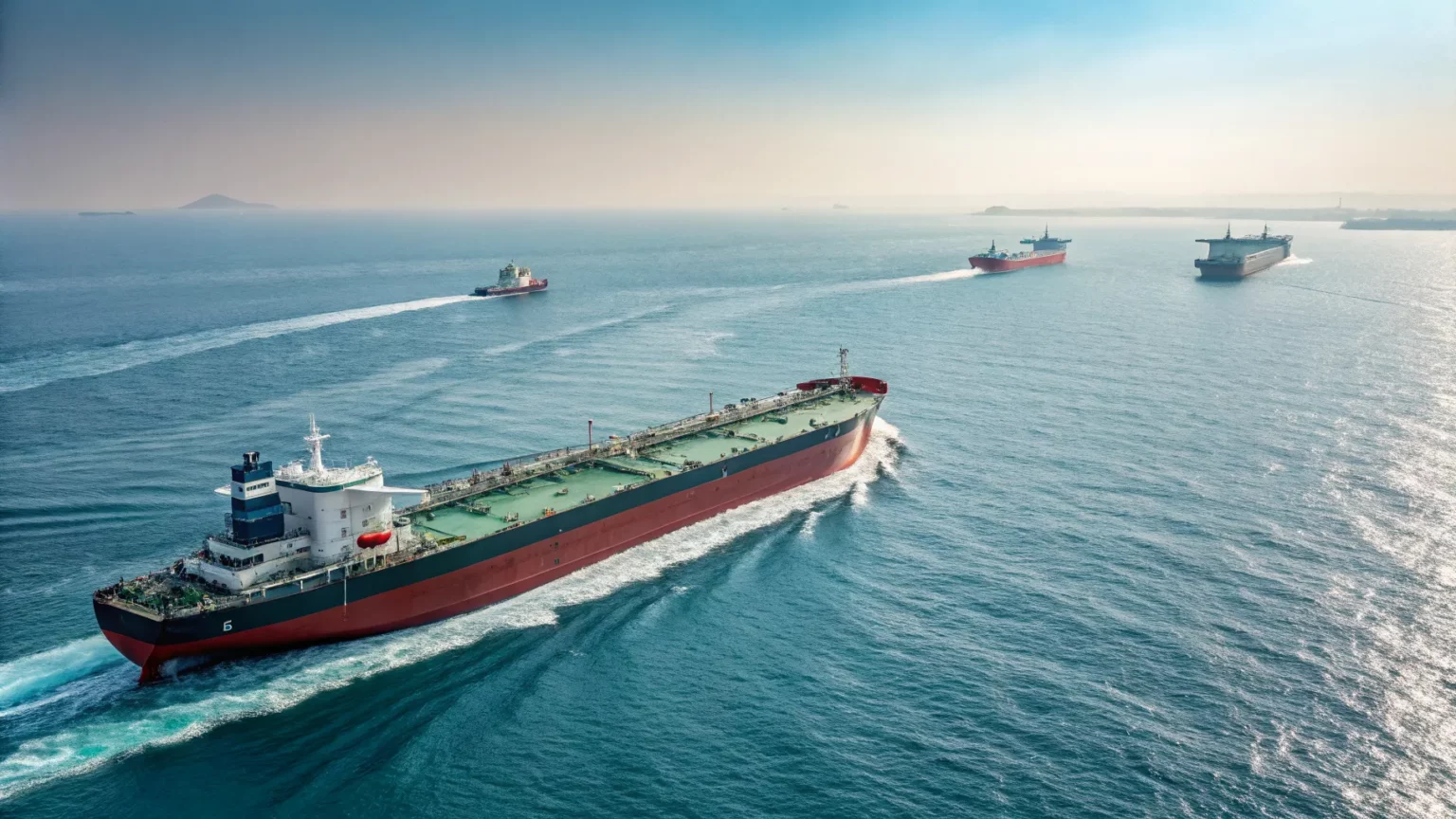
Iran has signaled it would accept a short-term arrangement with the United States to reopen the Strait of Hormuz in exchange for the end of what Tehran calls a blockade of its ports, according to Axios. The reported proposal comes amid heightened tension in the Gulf and rising concern over global energy supplies. It places control of a vital waterway at the center of a fast-moving diplomatic test with regional and economic stakes.
What Is on the Table
“Iran signaled it would accept an interim deal with the US whereby Tehran reopens the Strait of Hormuz in exchange for Washington ending its blockade of Iranian ports,”
Axios reported the potential framework as talks pick up pace. No formal agreement has been announced. Officials in Washington and Tehran have not publicly confirmed the contours of the deal. Still, the idea suggests both sides are searching for a way to reduce immediate pressure while leaving longer-term disputes for future talks.
Why the Strait Matters
The Strait of Hormuz is the narrow passage linking the Persian Gulf with the Gulf of Oman and the Arabian Sea. It is the only sea route for most oil exports from Saudi Arabia, Iraq, the United Arab Emirates, Kuwait, and Qatar. Energy analysts estimate that roughly one-fifth of global oil trade passes through this chokepoint.
Any disruption can drive up shipping costs and fuel prices. Past incidents, including tanker attacks in 2019 and earlier clashes during the late-1980s “Tanker War,” show how quickly security concerns can ripple through markets. Insurance premiums often jump. Freight schedules slow. Consumers feel the effects at the pump.
Signals, Stakes, and Skepticism
Both sides face incentives to cool tensions. Iran seeks relief from pressure on its economy and to show it can secure trade routes. The United States seeks stable energy flows for allies and to limit the risk of a regional flare-up. Gulf partners want predictable shipping and clear de-escalation steps.
At the same time, the reported swap raises hard questions. What steps would verify the reopening of the strait and the ending of restrictions on Iranian ports? How would either side respond to violations or incidents at sea? Would such a deal address sanctions that target Iran’s oil exports, or only maritime access claims?
Energy market watchers warn that partial measures may ease short-term risk but leave structural disputes intact. A limited arrangement might calm freight routes without resolving nuclear or missile issues, regional proxy activity, and maritime interdictions tied to sanctions enforcement.
Economic and Energy Impact
Oil traders often react before formal deals are reached. Even credible hints of improved passage through Hormuz can steady prices. A confirmed reopening would likely lower shipping delays and reduce premiums on cargo insurance. That could shave costs for importers in Europe and Asia.



Yet durable relief depends on implementation. If tankers face harassment, mines, or seizures, risk pricing will rebound. Conversely, a clear security corridor, coordinated notices to mariners, and transparent monitoring could help restore confidence among shipowners and insurers.
- About one-fifth of global oil flows move through Hormuz.
- Disruptions raise shipping and insurance costs within days.
- Stable passage supports price stability for fuel and freight.
Regional and Diplomatic Context
Talks over maritime security in the Gulf often intersect with wider issues. Negotiations over Iran’s nuclear activities, ballistic missiles, and regional posture have stalled and restarted in cycles for years. Periodic maritime incidents, from tanker seizures to drone strikes, have complicated efforts to build trust.
For Gulf states, reliability matters more than headlines. They have invested in pipeline routes that bypass Hormuz, but those alternatives do not match the strait’s capacity. A practical de-escalation that keeps ships moving is seen as a near-term priority.
European and Asian importers will watch for clear signals. They need predictable delivery schedules and fewer legal risks tied to sanctions. Clarity from Washington on what “ending a blockade” entails would help shippers understand what is permitted and what remains restricted.
What to Watch Next
Key indicators will be the language of any announcement, the timeline for reopening, and the mechanisms for verification. Marine traffic data, port notices, and insurer guidance will show whether conditions on the water actually improve.
Markets will track daily export volumes from Gulf producers and reported loadings from Iranian ports. Regional navies and commercial satellite imagery could provide early evidence of safer transit or continued friction.
The reported offer hints at a narrow path to ease immediate pressure on a crucial waterway. If both sides can agree on verifiable steps, shipping could normalize and price volatility may ease. But any interim arrangement will sit atop deeper disputes still unresolved. The next few weeks will show whether this proposal marks a pause in tension or only a brief truce at sea.