




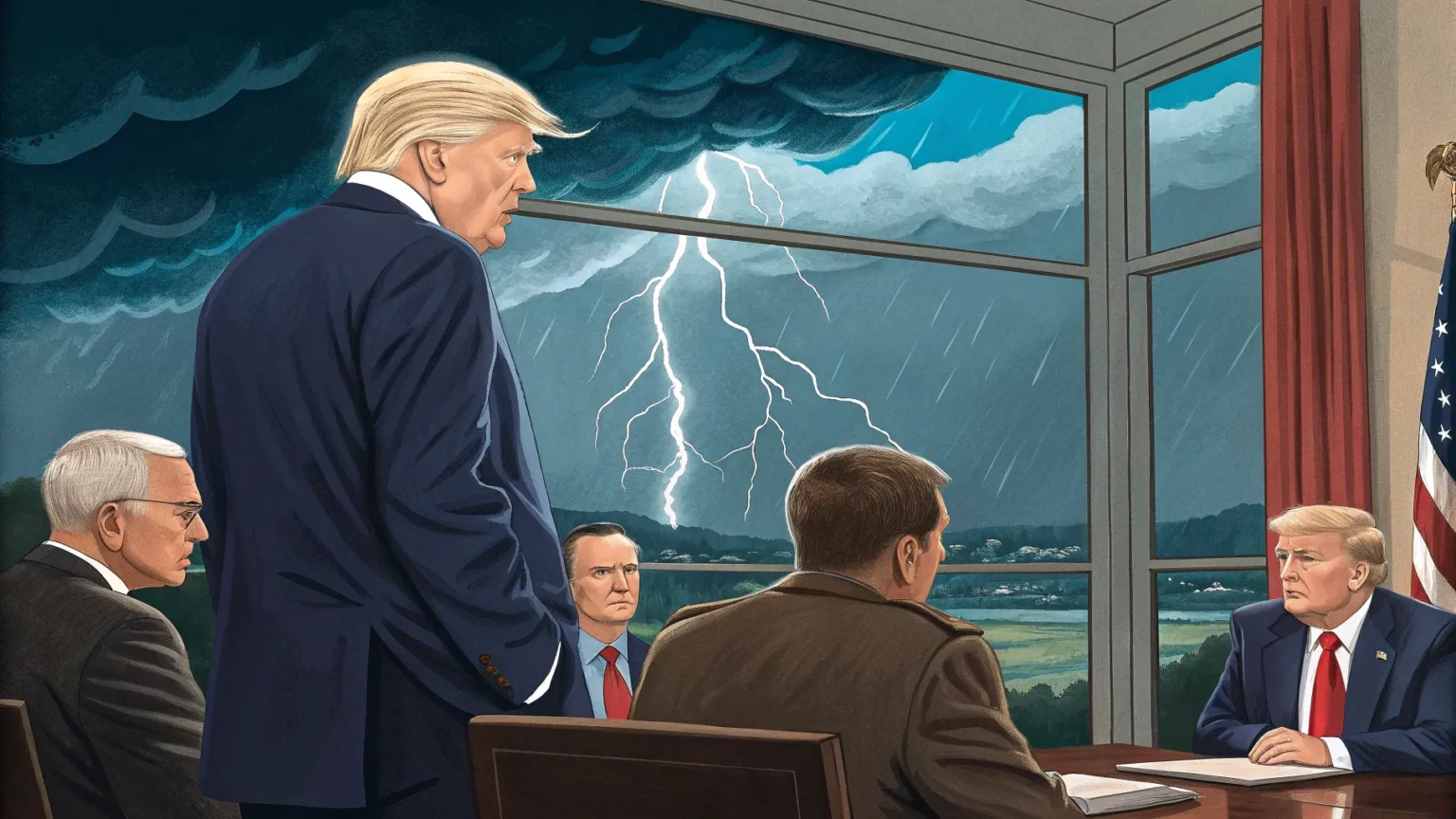
Signaling a major change in emergency policy, President Trump said he wants states to take on more of the cost of disaster relief and recovery. The idea surfaced as storms, fires, and floods grow more frequent and expensive across the United States. State budgets are already feeling the strain, and the stakes are rising with each new season.
What He Said
President Trump has said he wants to eventually shift the burden of disaster relief and recovery onto states. It’s already happening.
His message points to a long-running debate over who pays when disaster strikes. Under the Stafford Act, the federal government typically covers at least 75% of public recovery costs, with states and local governments covering the rest. Trump’s remarks suggest moving that cost center further to the state level.
A Shift Already Underway
Even without formal changes, states have been footing a larger share of costs. The reasons are varied. Some recent disasters did not meet federal thresholds for individual assistance. Others required larger nonfederal matches for rebuilding projects or mitigation grants.
Insurance market stresses add pressure. In high-risk areas, private insurers have exited or raised premiums. That leaves homeowners and local governments exposed when disasters hit. States often step in with relief funds, debris removal, and temporary housing, which increases their spending long before federal checks arrive.
The trend comes as disasters grow more expensive. NOAA reported a record 28 separate billion-dollar weather and climate disasters in 2023, with total losses far higher than a decade ago. More frequent events mean more recovery bills for states, even when federal help is available.
The Costs Hitting States
Several cost drivers are pushing states to pay more up front and after the fact:
- Match requirements: Most federal recovery and mitigation programs require a state or local match, often around 25%.
- Insurance gaps: Rising premiums and reduced coverage shift repair and rebuilding costs to public funds.
- Infrastructure wear: Repeated flooding and wildfire damage lead to frequent repairs that are not always covered by major declarations.
- Emergency housing: States finance sheltering and temporary housing while federal reviews proceed.
Some states have created permanent disaster accounts to speed spending without waiting for Washington. Florida, California, and Texas have expanded state-level programs to cover debris removal, protective work, and hazard mitigation. These moves help communities recover faster but lock in higher recurring costs for state budgets.
Supporters See Local Control, Critics See Risk
Supporters of shifting costs argue that state and local leaders are closer to the problem. They say local control can reward communities that set stronger building codes, invest in mitigation, and limit risky development. They also argue that states can tailor aid to fit local needs more quickly than federal programs.


Critics warn that moving more costs to states could slow recovery in hard-hit or poorer regions. When matches rise or aid is narrower, they say, small towns may postpone repairs or cut other services to balance budgets. Disaster scholars also note that many damages cross county and state lines, which supports a strong federal role.
Emergency managers point out that federal dollars are not just for rebuilding. Programs such as FEMA’s mitigation grants target projects that lower future losses. If states struggle to meet higher matches, fewer projects may get built, leaving communities more exposed.
Policy Signals And Potential Outcomes
Trump’s statement renews questions about the federal cost share that has governed disasters for decades. Any formal shift would likely require policy changes or new guidance on declarations, cost shares, and program eligibility. The result could be a higher state match for public assistance, tighter criteria for individual assistance, or greater reliance on state disaster funds.
States have responded by adopting stricter building codes, buying out flood-prone homes, and investing in fire defensible space. Still, the sheer number of costly events is testing those defenses. NOAA’s tally of billion-dollar disasters has climbed in most recent years, challenging the idea that states can absorb more without new revenue or deeper cuts elsewhere.
For now, Trump’s call puts the issue squarely on the agenda. The coming debates will center on who pays, how fast aid arrives, and whether mitigation keeps pace with risk. Lawmakers will weigh budget trade-offs against the need for fast recovery. Communities will look for clear rules before the next storm, fire, or flood.