



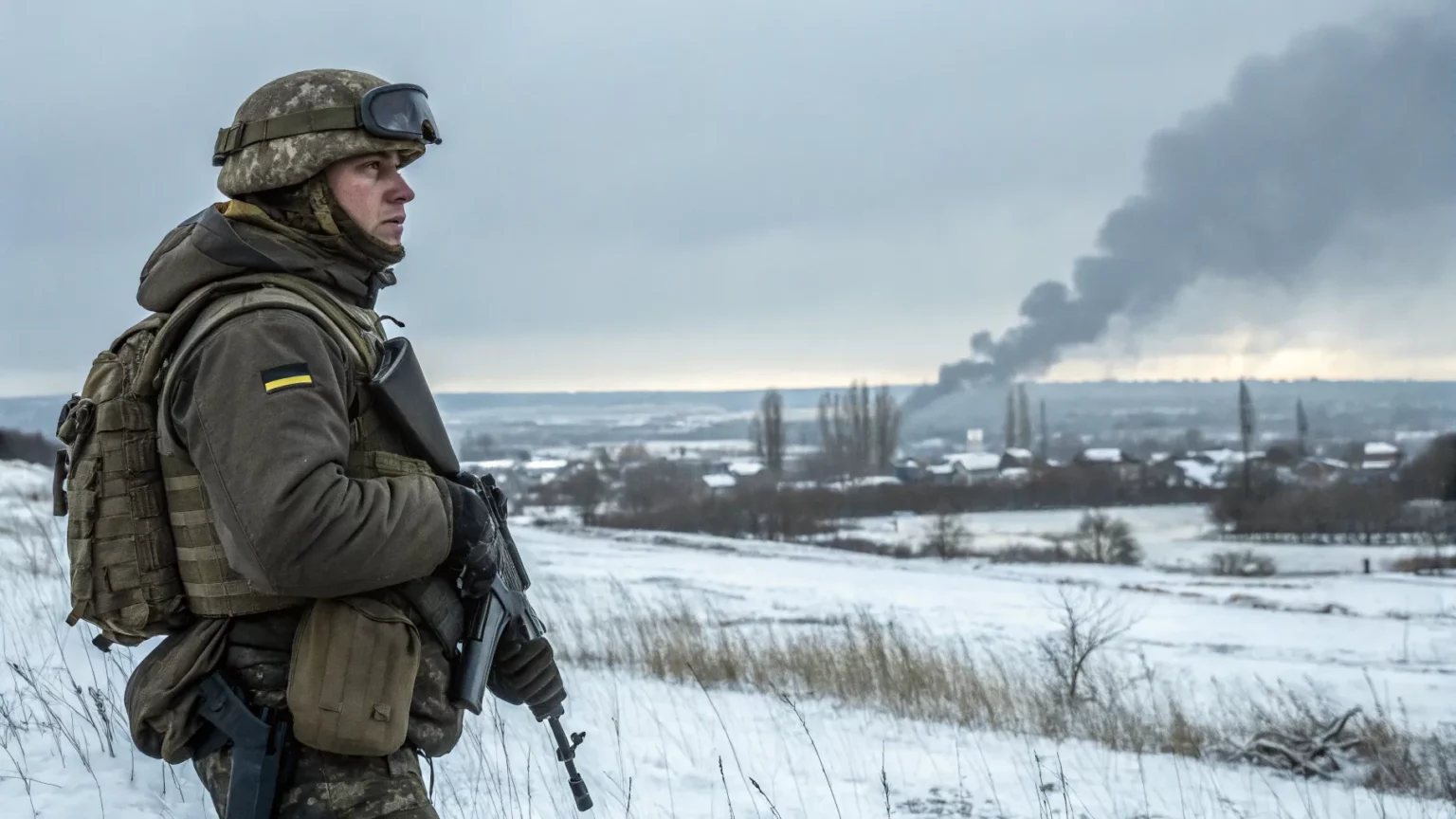
More than 1,300 days into the full-scale war, Ukraine remains locked in a grinding fight that tests its military, economy, and power grid as colder months approach.
The conflict began in February 2022 when Russia launched a broad invasion. Since then, front lines have shifted, supply routes have adapted, and civilian life has been reshaped by strikes and displacement. The stakes remain high for Kyiv, Moscow, and Europe, with energy security, trade routes, and regional stability on the line.
“Dispatches from Ukraine. Day 1,342.”
How the War Reached This Point
Russia’s assault sparked the largest European land war in decades. Early gains by Russian forces were met by Ukrainian counteroffensives, which reclaimed parts of the northeast and south in 2022. The fighting then hardened into attritional battles marked by artillery, drones, and fortified lines.
Kyiv leaned on Western support for air defenses, ammunition, and training. Moscow turned to sanctions-resistant trade and stepped up domestic arms production. The United Nations has documented thousands of civilian deaths and injuries since the start of the conflict, with millions displaced inside and outside Ukraine.
Grain exports, energy infrastructures, and Black Sea shipping lanes became recurring flashpoints. Each winter brought new attacks aimed at the power grid, forcing rolling outages and urgent repairs.
Front Lines and Military Pressure
The war now hinges on munitions supply, air defense coverage, and industrial capacity. Both sides use drones for surveillance and strikes, expanding low-cost tactics that stress logistics and morale.
Ukrainian commanders argue they need steady deliveries of artillery shells and long-range air defenses to protect cities and critical sites. Russian units seek to exploit gaps with guided bombs, glide munitions, and infantry assaults, even at high cost.
Analysts warn that small territorial shifts carry outsized political weight. They influence fundraising, public mood, and negotiations about future aid packages.



Energy Grid Under Strain
Strikes on power plants, substations, and repair crews have become a constant threat. Ukraine has invested in mobile generation, grid segmentation, and rapid-repair brigades. Still, large-scale attacks can darken entire districts and slow industry.
Officials urge residents to limit consumption during peak demand. Local governments stockpile generators, winter clothing, and medical supplies. Utility workers continue high-risk repairs to maintain heat, water, and communications.
Economy, Aid, and Political Will
Ukraine’s economy has adapted with exports routed through the Danube and coastal corridors. Farmers face insurance hurdles and seasonal bottlenecks. Manufacturers shift production westward to reduce risk.
Foreign aid remains a lifeline. Packages from the United States and European partners have included budget support and military equipment. Delays or shortfalls ripple quickly through the front and the home front.
In Russia, authorities promote increased defense output and recruitment incentives. The war’s costs also show up in inflation, labor shortages, and public spending trade-offs.
Civilian Toll and Social Resilience
Air raid alerts, shelters, and school closures have become routine. Communities organize volunteer networks to deliver food, transport the elderly, and support displaced families. Mental health services, often stretched, try to keep pace.
Ukrainian media highlight stories of resilience and local recovery. Cultural events and memorials run alongside funerals for fallen soldiers. The country’s civil society keeps pressure on institutions to root out corruption and improve services.
What to Watch Next
- Tempo of strikes on energy sites as winter nears.
- Artillery and air defense stockpiles on both sides.
- Stability of shipping routes for grain and imports.
- Political support for long-term aid commitments.
The war’s next phase will likely be decided by logistics and staying power. Industrial output, recruitment, and the ability to protect cities from drones and missiles will shape the months ahead.
After more than three years of fighting, neither side shows a clear path to a quick end. The clearest takeaway is that sustained support, stronger defenses, and protection of civilians will determine the course of this conflict.