



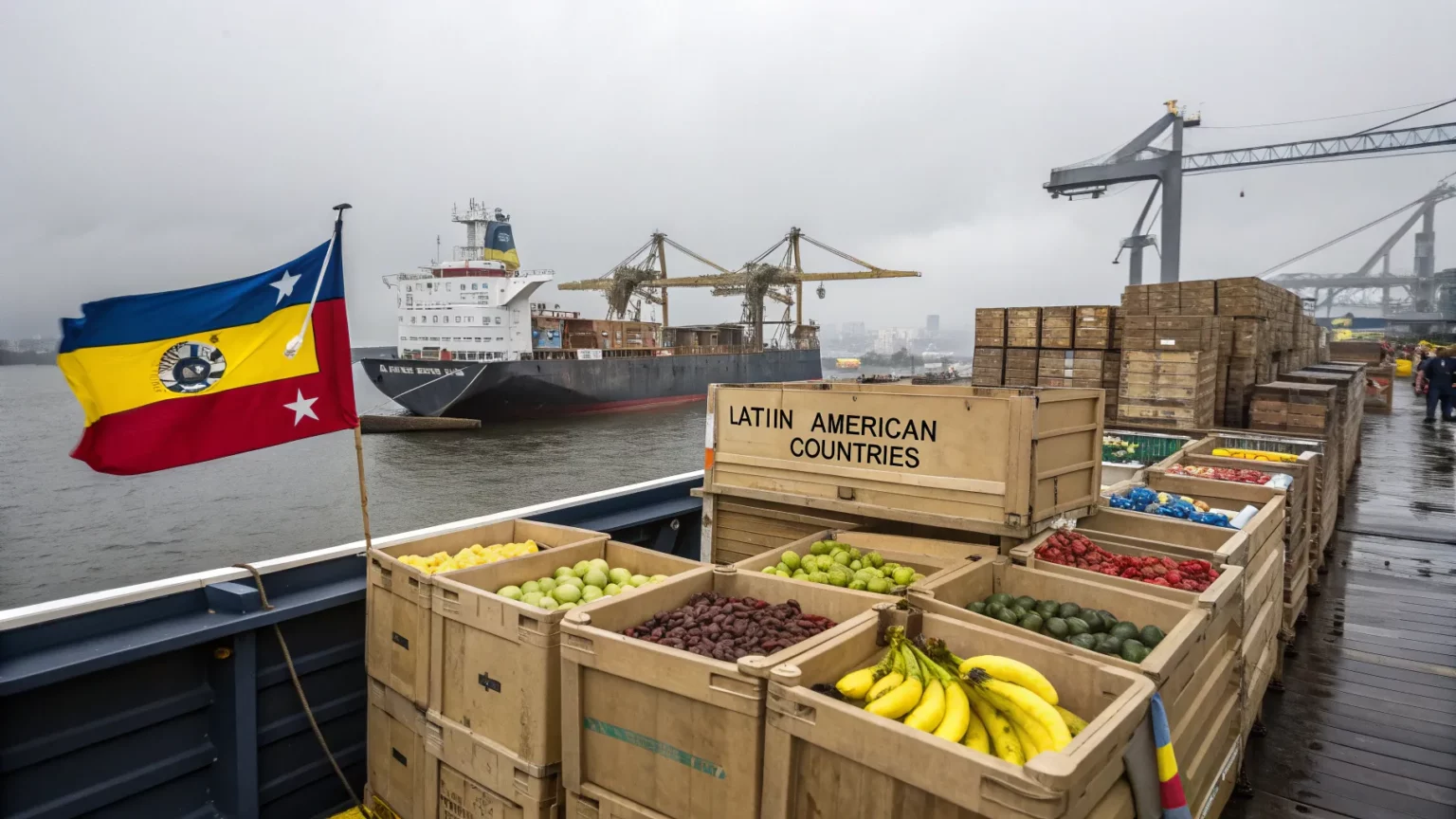
President Donald Trump has lifted tariffs on coffee, bananas, beef, and other imports through new trade deals with Latin American partners, a move pitched as a relief for household budgets. The announcement signals a shift in tariff policy aimed at lowering food costs in the United States while reshaping ties with suppliers across the region.
Administration officials framed the decision as a direct response to stubborn grocery prices. Retailers and importers welcomed faster access to staples. U.S. ranchers and some farm groups cautioned that cheaper imports could undercut domestic producers if safeguards are weak.
What Changed in the Trade Deals
“President Trump has lifted tariffs on coffee, bananas, beef, and other imports under new trade deals with Latin America, aiming to reduce prices for U.S. families.”
The action removes import taxes that raised the price of items the U.S. largely buys abroad. Coffee and bananas are almost entirely imported, much of it from Colombia, Brazil, Guatemala, Honduras, Costa Rica, and Ecuador. Beef imports come from several countries in the region, often filling seasonal or specialty demand.
Tariffs act like a tax at the border. Cutting them can lower importers’ costs and, in competitive markets, ease prices at the shelf. The scale of the impact will depend on how quickly the changes pass through warehouses, contracts, and retailer pricing cycles.
How It Could Affect Prices
Grocery bills have climbed in recent years, even as headline inflation cooled. Coffee and beef have seen periodic spikes tied to weather, disease, feed costs, and shipping. Bananas are sensitive to storms and plant disease in producer countries.
Analysts say the tariff rollback should trim costs first for importers and foodservice buyers. Households could see modest relief over the next one to two quarters if wholesale savings filter through. The effect may be clearest in:
- Coffee: Lower landed costs for green beans and roasted imports could ease café and grocery prices.
- Bananas: A staple fruit with thin margins may pass savings through quickly in weekly promotions.
- Beef: Relief could show up in select cuts and processed products, with smaller effects on prime grades.
Winners and Losers
Importers, roasters, grocers, and restaurant chains stand to benefit from lower input costs. Consumers may gain if competition pushes sellers to pass on savings.
Domestic producers see risks. U.S. cattle ranchers warn that tariff-free beef from large exporters could pressure prices for American herds, especially in regions hit by drought and higher feed costs. They are likely to press for strict enforcement of sanitary rules, origin labeling, and quotas if volumes surge.
Latin American exporters could gain market share. For coffee growers facing price swings on global exchanges, steadier U.S. demand is attractive. Banana producers battling crop disease could use the larger market to fund plant health efforts.
Economic and Political Context
The U.S. has used tariffs in recent years to protect industries and to gain leverage in talks. Earlier measures focused on metals and goods from Asia. Food tariffs have been a smaller but visible part of policy, often used in disputes over safety standards and farm supports.
The new approach reflects a different goal: lowering food inflation and deepening regional supply ties. It aligns with long-running trade links in the Americas built through deals like CAFTA-DR and bilateral agreements. It also comes as supply chains adjust after pandemic shocks and shipping disruptions.
What to Watch Next
Price effects will turn on execution. Retail contracts, shipping times, and existing inventories can delay changes at the register. Watch for signs of pass-through in supermarket circulars and café menus over the coming months.
Regulatory oversight will be key. Strong inspection and traceability standards can steady confidence in imported beef and produce. Labor and environmental groups will look for safeguards that prevent a race to the bottom.
U.S. farm groups may seek relief if import volumes rise sharply. That could include temporary support, marketing aid, or negotiated quotas that balance supply with domestic output.
The tariff rollback sets a clear near-term goal: ease grocery costs on everyday items. If savings reach consumers without harming U.S. producers, the policy could stick. If strain builds in farm states, expect pressure for adjustments, tighter enforcement, or targeted limits. The next test will be price tags and rancher balance sheets as the deals move from signing to store shelves.