




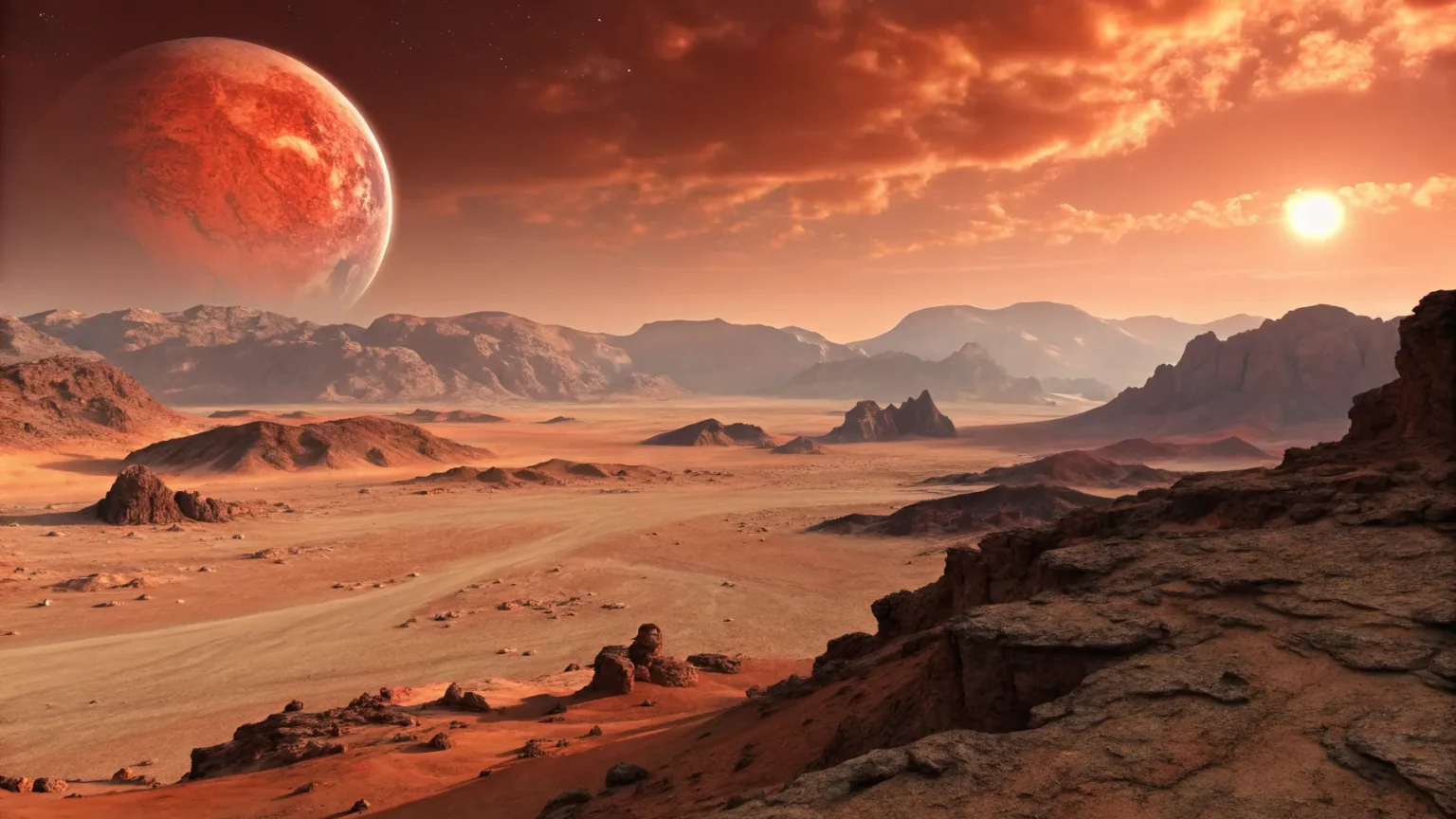
A sweeping thought experiment is asking readers to imagine Earth not over centuries, but over billions of years. It links plate tectonics, erosion, and the fate of the sun to explain how the planet will change. The idea is simple: a playful scenario can reveal hard truths about slow forces that shape the world.
Scientists have long studied how continents move, mountains wear down, and stars age. Put together, these slow processes add up to a dramatic story. The exercise frames that story with humor, but it also aims to clarify what the far future may hold.
The Experiment
The framing is striking. One researcher summed it up as,
“a ridiculous but instructive thought experiment involving deep time, plate tectonics, erosion and the slow death of the sun.”
The premise invites readers to picture an Earth that never sits still. Continents drift. Oceans open and close. Mountains rise and then crumble. Meanwhile, the sun brightens with age and changes the rules for life and climate. The goal is not to predict a single outcome, but to show how these forces interact over vast time.
Deep Time: The Scale That Changes Everything
Deep time stretches far past human history. The planet formed about 4.5 billion years ago. Tectonic plates have shifted ever since, rearranging continents many times. Events that seem slow in a human life become huge over millions of years.
This scale reshapes how we think about permanence. A mountain range that lasts for tens of millions of years can still vanish under erosion. A sea can dry up or return. Deep time turns gradual change into sweeping transformation.
How Plate Tectonics Rebuilds the Planet
Plate tectonics drives earthquakes, volcanoes, and the rise of mountains. Where plates collide, they thrust up ranges like the Himalayas. Where they pull apart, new crust forms at mid-ocean ridges. Subduction recycles old crust into the mantle.
Over long spans, this engine reorganizes continents. Supercontinents such as Pangaea formed and broke apart. Many geologists expect another supercontinent may form in the far future. The exact timing is uncertain, but the pattern is well known.


Erosion’s Slow, Certain Work
Erosion is the counterweight to uplift. Wind, water, ice, and gravity grind rock into sediment. Rivers carry that material to seas. Given enough time, erosion can shave down even the highest peaks.
In the thought experiment, erosion serves as a reminder. Nothing stays high forever. If uplift slows, erosion wins. Plains widen. Sediments bury coasts. Landscapes remake themselves at the pace of grains of sand.
The Sun’s Long Fade and Brightening Path
The sun changes over time, too. As it ages, it becomes brighter. Most models suggest a steady rise in energy over the next billion years. That added heat could dry parts of Earth and stress the climate.
In several billion years, the sun is expected to swell into a red giant. Before that stage, rising brightness may push oceans to evaporate. Tectonics and erosion will continue, but the environment they operate within will shift. Geology and astronomy intersect in this far-horizon view.
Timelines at a Glance
- Millions of years: Continents shift; mountains rise and erode.
- Hundreds of millions of years: Supercontinents form and break.
- ~1 billion years: Solar brightening may strain oceans and climate.
- Several billion years: The sun enters its red giant phase.
Why This Matters Now
Though the timescales are vast, the exercise changes how people think about change. It shows that slow forces can alter the planet more than single events. It also sets today’s choices in a larger frame. Human actions play out over decades, yet sit within these longer arcs.
The article’s tone invites curiosity without losing accuracy. By mixing humor with hard science, it makes distant futures more graspable. It uses a simple line to tie together complex systems: moving plates, wearing hills, and a star that will not last forever.
Experts caution that exact dates carry uncertainty, yet the trends are well supported. Tectonics continues. Erosion never stops. The sun will age. These broad facts give the thought experiment its power.
The takeaway is clear. Earth is dynamic across every timeline. In the near term, society manages resources and hazards shaped by the same forces seen in deep time. Far ahead, the sun’s change will set the stage for the planet’s final chapters. Watching the crosscurrents of rock, water, and starlight offers a way to understand both.