




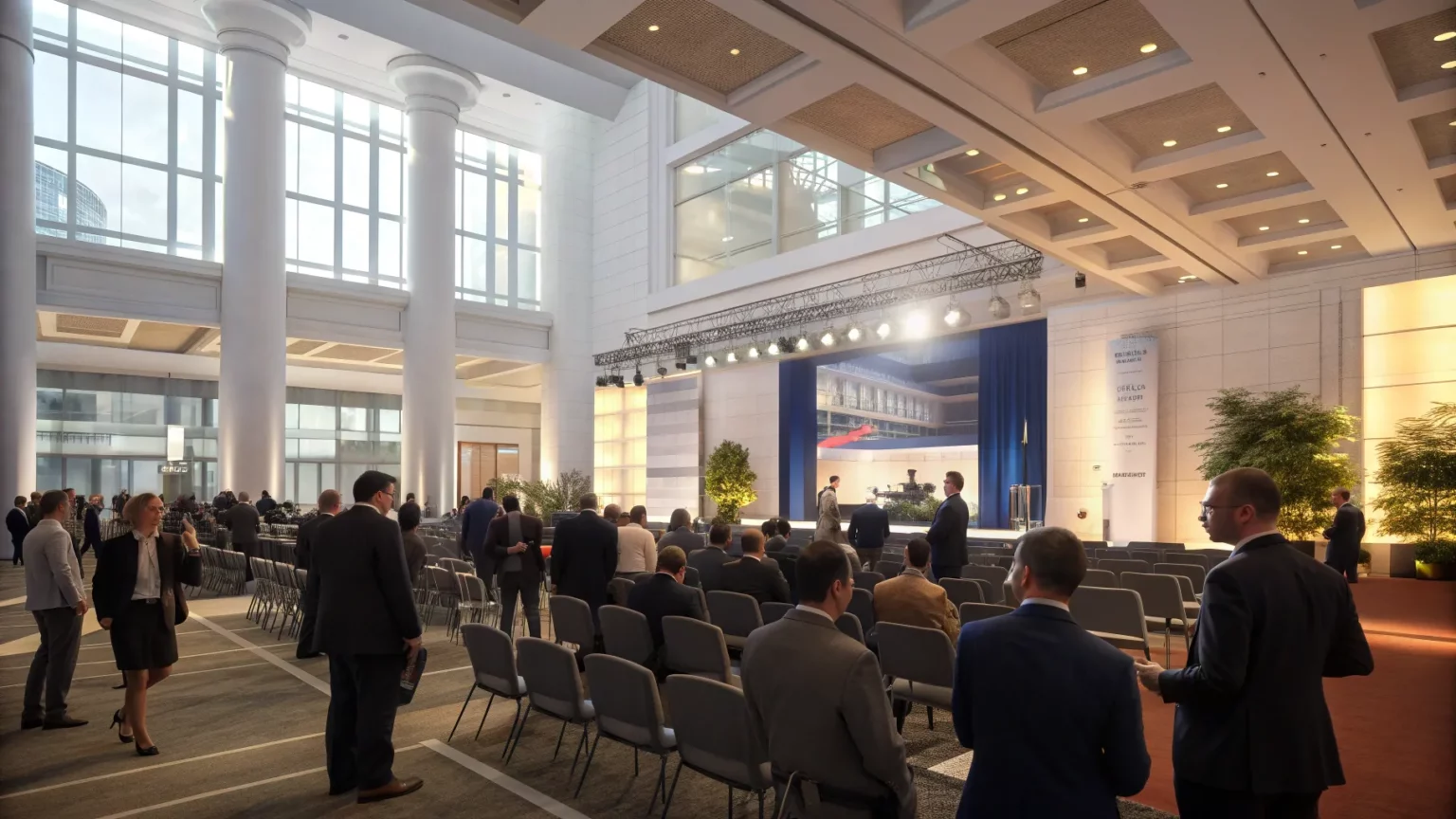
An annual business gathering is drawing thousands of small business owners to Washington, D.C., where leaders including Goldman Sachs CEO David Solomon, Olympic champion Michael Phelps, and former New York City Mayor Michael Bloomberg are set to speak. The summit brings together entrepreneurs to share ideas, hear from high-profile figures, and press their concerns with policymakers at a moment of stubborn costs, higher rates, and uneven demand.
Organizers say the event aims to help founders sharpen strategy, expand networks, and push for policy changes that affect Main Street. It arrives as many small firms report tight margins and a tough credit market.
About the Summit
“The Goldman Sachs 10,000 Small Businesses Summit brings together entrepreneurs with speakers including CEO David Solomon, Michael Phelps and Michael Bloomberg in Washington, D.C.”
The summit is part of Goldman Sachs’ 10,000 Small Businesses initiative, created to help owners grow revenue and create jobs through education, mentoring, and access to capital. Since its launch more than a decade ago, the program has reached well over 10,000 entrepreneurs across the United States through partnerships with local colleges and community organizations.
Participants attend workshops on finance, marketing, and leadership while connecting with peers facing similar pressures. The draw of high-profile speakers adds energy, but the core of the event is practical training and policy advocacy.
Why Washington Matters
Holding the gathering in the nation’s capital is more than symbolic. Owners are seeking a voice on taxes, access to credit, health care costs, and federal contracting. They also want clarity on regulations that shape hiring and investment. Being in Washington increases the chance that those messages reach lawmakers and agencies.
Small firms have an outsized role in the economy. According to the U.S. Small Business Administration, they employ roughly half of the private workforce and account for a large share of net new jobs. When credit tightens or costs rise, the impact can be felt across communities.
Program Track Record and Needs
The 10,000 Small Businesses program focuses on skills that many founders say they lack when they start: financial planning, operations, and growth strategy. Alumni often report stronger revenue and new hiring after completing the coursework. The summit builds on that by elevating policy needs and drawing national attention.
Speakers like Solomon, Phelps, and Bloomberg bring a mix of business, personal resilience, and public leadership. Their presence signals that the concerns of small firms are not niche issues. They touch credit markets, public health, and city and state economies.

Pressing Issues on the Agenda
Attendees are expected to focus on practical challenges that have defined the past two years. Inflation has cooled from its peak, but input costs and wages remain high. Many founders say access to capital is tighter than before. Others face slower sales and rising insurance premiums.
- Financing: Owners report stricter lending terms and higher borrowing costs.
- Hiring: Labor shortages have eased, yet wages and benefits stay elevated.
- Supply chains: Delays have improved, but some sectors still see disruptions.
- Digital sales: Firms continue to invest in online marketing and e-commerce.
These pressures shape how companies price, invest, and plan for growth. They also influence which policy changes owners will ask for on Capitol Hill.
What High-Profile Voices Add
Solomon’s appearance highlights the link between finance and small firms. Lending conditions and credit programs often start with national banks and ripple through community lenders. Bloomberg, a former mayor and business founder, offers a view on city policy and entrepreneurship. Phelps brings a message of mental resilience and long-term goal setting, themes that resonate with owners navigating uncertainty.
The mix of viewpoints can help translate national debates into steps owners can use now, such as managing cash flow in a high-rate environment or finding new customers.
What to Watch Next
Advocacy is a key outcome. Owners typically push for steady small business funding programs, faster federal procurement timelines, and tax clarity. Some may press for incentives that support hiring and training.
Another measure of success is whether attendees leave with new partnerships and local plans. Regional cohorts often use the summit to jump-start peer groups that continue long after the event ends.
The D.C. gathering blends training with a spotlight on real-world challenges. It gives small firms a platform during a period when costs, credit, and sales remain top of mind. As speakers take the stage and owners meet with policymakers, the focus is likely to be clear: practical help now, steadier rules, and a path to growth. The next few months will show if the momentum carries into stronger hiring, improved access to capital, and firmer local economies.