




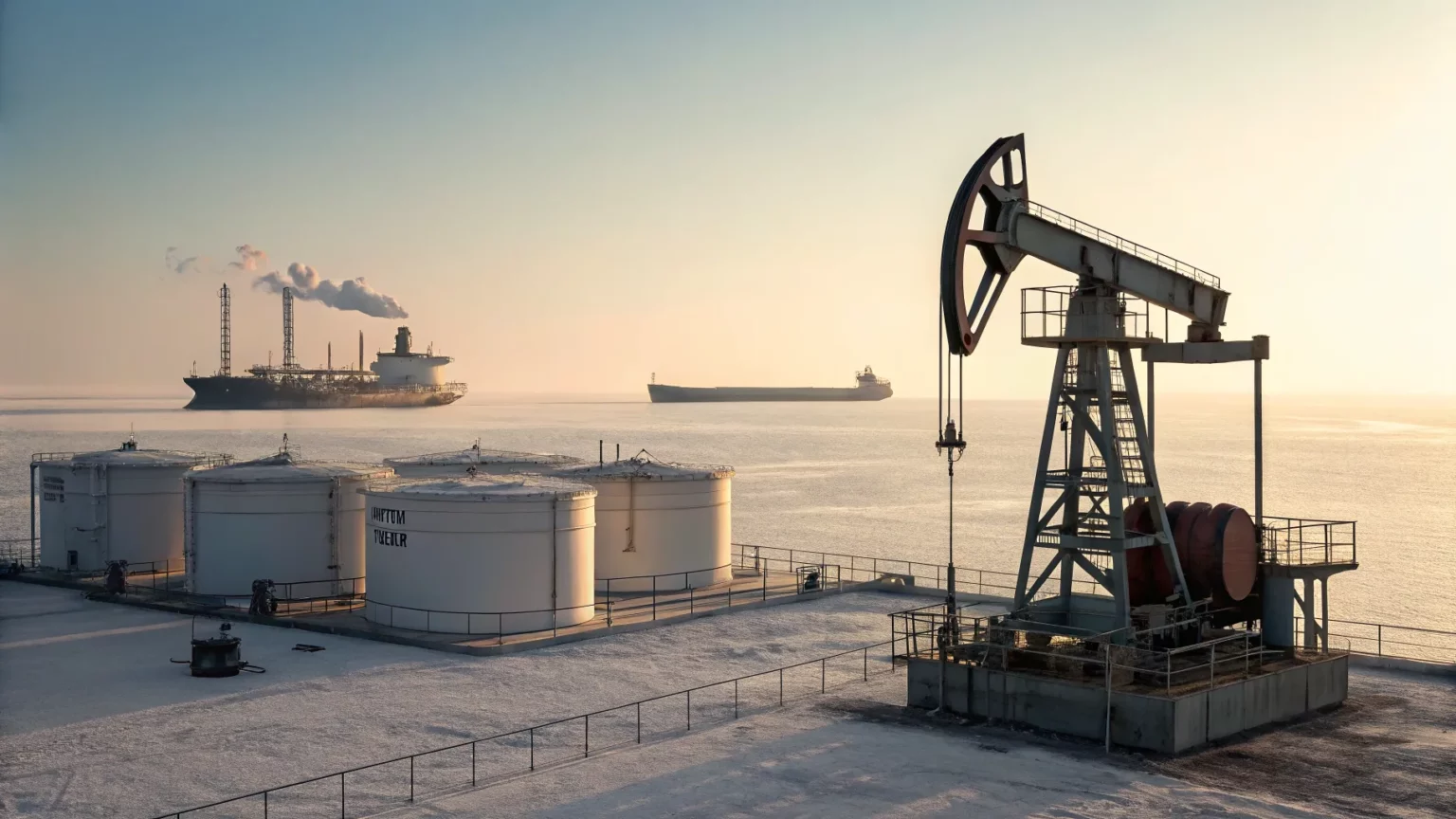
Oil prices tumbled Tuesday after President Donald Trump agreed to a two-week ceasefire with Iran, easing fears of supply shocks from the Middle East and jolting energy markets. The move, framed as a short pause in hostilities, quickly shifted trader sentiment from risk to relief, with ripple effects across producers, refiners, airlines, and consumers.
“Oil prices plummeted Tuesday after President Donald Trump agreed to a two-week ceasefire with Iran.”
Markets reacted within hours as traders priced in lower conflict risk. The sudden slide raised questions about how long the relief will last and what it means for investment, inflation, and fuel costs as the ceasefire clock starts.
Why Prices Fell
When geopolitical risk fades, the war premium in oil prices often falls. The ceasefire reduces the chance of near-term supply disruptions, especially in and around the Strait of Hormuz, a key chokepoint for crude shipments from the Gulf.
About a fifth of the world’s crude and condensate moves through that strait. Even the hint of trouble can lift prices. A pause in tensions has the opposite effect, pulling speculative money out of crude and pushing prices lower.
Refiners benefit when crude gets cheaper, improving margins if gasoline and diesel prices do not fall as fast. Airlines and shipping firms also get relief on fuel bills. By contrast, high-cost producers can come under pressure if prices slip near their break-even levels.
A Fragile Truce With High Stakes
A two-week window is short. It offers time for back-channel talks but also leaves room for misunderstandings or incidents that could reverse the price move. Traders will watch for signs that shipping lanes remain open and that energy infrastructure is secure.
Past flare-ups in the region have moved prices sharply. Attacks on tankers, strikes on oil facilities, or sanctions shifts have all sent markets scrambling. A calm period often brings prices down as storage builds and supply flows resume.
For consumers, a quick drop at the pump can follow if wholesale prices stay low. But retail fuel often lags. The pass-through can take days or weeks depending on taxes, distribution, and local competition.


Winners, Losers, And Market Reaction
- Consumers: Lower fuel costs help household budgets and can ease inflation pressure.
- Airlines and logistics: Jet fuel and diesel savings can improve quarterly earnings.
- Refiners: Cheaper crude can widen crack spreads if product prices hold.
- Upstream producers: Lower prices can squeeze cash flow and slow drilling plans.
Investors may rotate within energy, favoring refiners and fuel-heavy users over exploration and production firms. Currency markets may also adjust, as oil-importing countries gain a terms-of-trade boost while exporters feel strain.
Historical Context And Supply Dynamics
Oil has long tracked geopolitical risk in the Gulf. Supply fears lift prices quickly. De-escalation unwinds those gains just as fast. The speed of Tuesday’s move fits that pattern.
Global supply remains shaped by major producers and alliances. If prices stay weak, some exporters could consider output cuts to support the market. Conversely, if the ceasefire extends and shipping remains smooth, inventories could build, adding downward pressure.
Shale producers in the United States are sensitive to price swings. Capital discipline has tightened in recent years, and boards may pause growth plans if returns look uncertain.
What To Watch Next
The next two weeks will be decisive. Traders and policymakers will look for clarity on three fronts:
- Ceasefire durability: Signs of compliance or violations will set the tone.
- Shipping and infrastructure: Confirmed safe passage and stable operations support lower prices.
- Stockpiles and demand: Inventory reports and fuel usage data will show if fundamentals match sentiment.
If the truce holds and talks progress, prices could stabilize at lower levels. A breakdown would likely reverse the slide and revive the risk premium.
For now, the sharp drop reflects a market quick to price peace, even on a short timetable. Energy users are poised to benefit, while producers face tougher math. The balance in the days ahead hinges on whether quiet in the Gulf turns into lasting calm—or proves to be only a brief pause.