




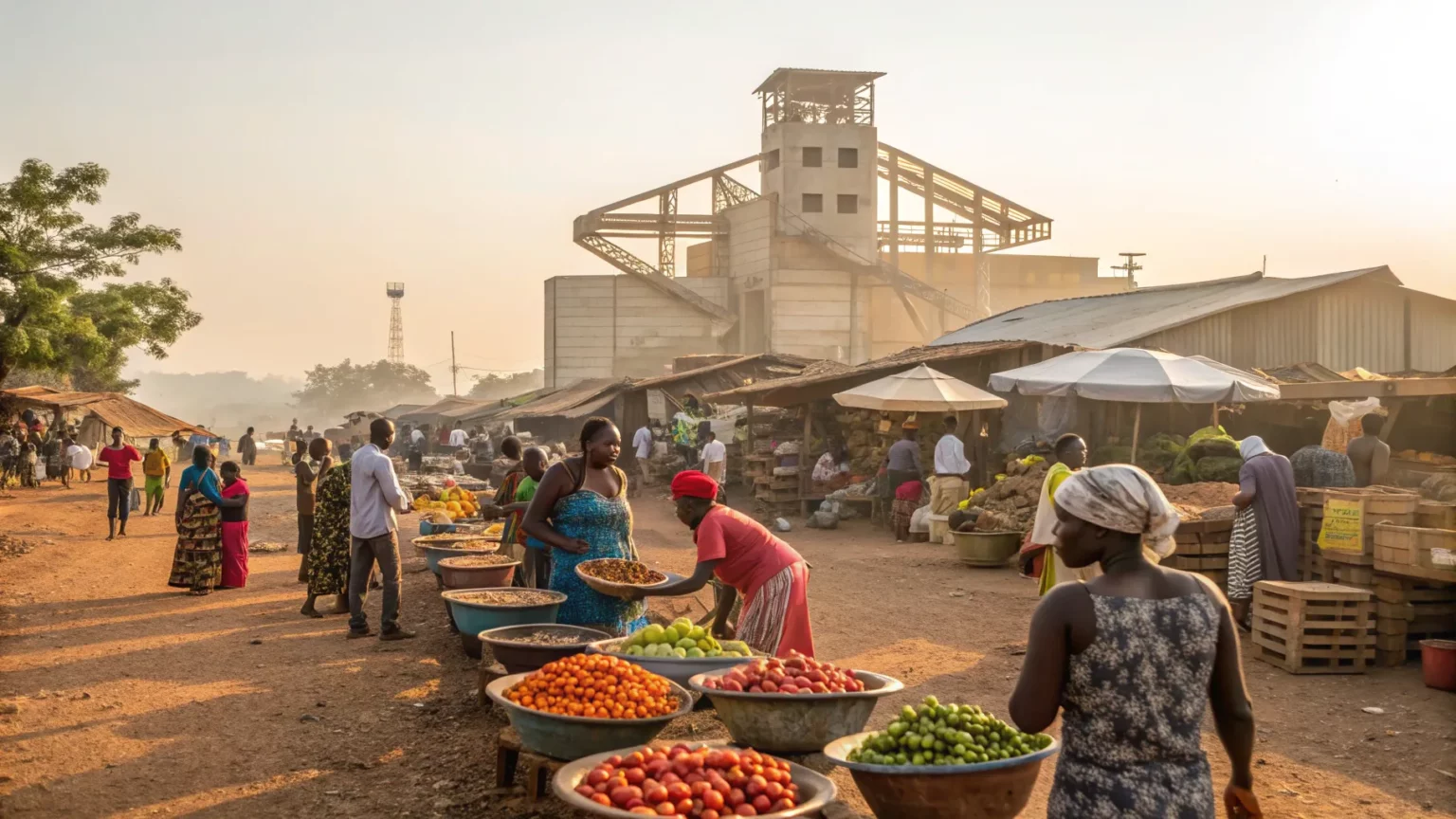
The next leader of a West African nation will inherit a hungry electorate and a crowded field of foreign suitors chasing critical minerals. The vote’s outcome, expected within days, will set the course for food policy and resource deals that could shape livelihoods and regional ties for years. Analysts say the winner must move fast to calm prices, steady farms, and redefine how mining wealth is shared.
A Mandate Shaped by Hunger
Food insecurity has deepened after years of drought, conflict, and price shocks. Farmers face erratic rains, high fertilizer costs, and poor roads that raise the price of moving crops. Urban families struggle with rising bread, rice, and cooking oil costs. The country imports staple foods even during good harvests, making it vulnerable to currency swings and global supply disruptions.
Past governments launched subsidy programs and emergency grain releases. Some worked, others stalled from budget gaps and weak delivery. Experts warn that stopgap measures alone will not be enough this year. The next administration must also boost local production and storage, or face another cycle of shortages.
Global Powers and the Mineral Pull
The country sits on valuable deposits used in batteries, construction, and electronics. International firms have courted officials with promises of jobs, roads, and power lines. China, the European Union, the United States, and Gulf investors are active in bids and feasibility studies. Russian-linked actors seek security ties that can accompany mining deals.
Pressure is mounting to sign export agreements quickly. Communities near mine sites want clinics, schools, and clean water before trucks roll. Civil society groups call for contract transparency and local content rules. Officials argue they need foreign capital and technology to develop deposits at scale.
“Feeding the West African country’s poor and navigating the interests of global powers seeking critical minerals,” analysts say.
What Success Could Look Like
The incoming leader’s economic team will be judged on the first 100 days. A clear plan on food and mining could steady markets and temper public anger. Budget choices will reveal priorities: farm support, school feeding, or security for trade corridors. Talks with lenders could unlock funds for grain purchases and climate-resilient projects.
- Cut food inflation with targeted subsidies and open market sales.
- Secure fertilizer and seed ahead of planting season.
- Repair rural roads and storage to reduce post-harvest losses.
- Publish mining contracts and strengthen environmental oversight.
- Negotiate local jobs, processing, and power access near mine sites.
Balancing Partners Without Over-Dependence
Strategic hedging will matter. Over-reliance on a single buyer or lender can raise risks if prices fall or politics shift. Diversified offtake agreements, competitive bidding, and stronger oversight can improve terms. Joining or recommitting to global transparency initiatives may rebuild trust with citizens and investors.
Regional dynamics also loom large. Border closures and trade frictions have hurt food flows. Re-engaging with neighbors and regional blocs could ease transport bottlenecks and stabilize prices. Security cooperation along key highways would help traders move goods safely.



Voices From the Field
Farmers’ groups urge action on inputs and weather insurance. “Seeds were late and rain was uneven. We need a plan before April,” one cooperative leader said at a recent forum. Mining community advocates demand fair compensation. “We want jobs and safe water, not promises,” a local organizer said.
Market traders highlight shrinking margins as transport and storage costs climb. Economists warn that subsidies without better targeting can drain the budget. They call for digital registries and audits to reach those most in need.
Risks and Opportunities Ahead
Commodity prices are volatile. A drop in global demand could cut mining revenue. A spike in fuel costs would raise food prices again. Climate shocks may worsen floods and dry spells, straining harvests and infrastructure.
Yet there are openings. Modest irrigation projects can lift yields quickly. Off-grid solar for cold storage can reduce spoilage. Simple road repairs can cut travel times for traders. Processing minerals at home, even at a small scale, could add value and jobs.
The winner will face immediate pressure to put affordable food on shelves and secure fair mineral deals. Early, practical steps—clear farm inputs, open procurement for contracts, and public dashboards to track deliveries—could buy time and confidence. The larger test will be building lasting systems that protect households from shocks while turning underground wealth into visible gains. Watch for the first budget, cabinet picks, and any mining code update to signal how the new leader plans to meet both demands.