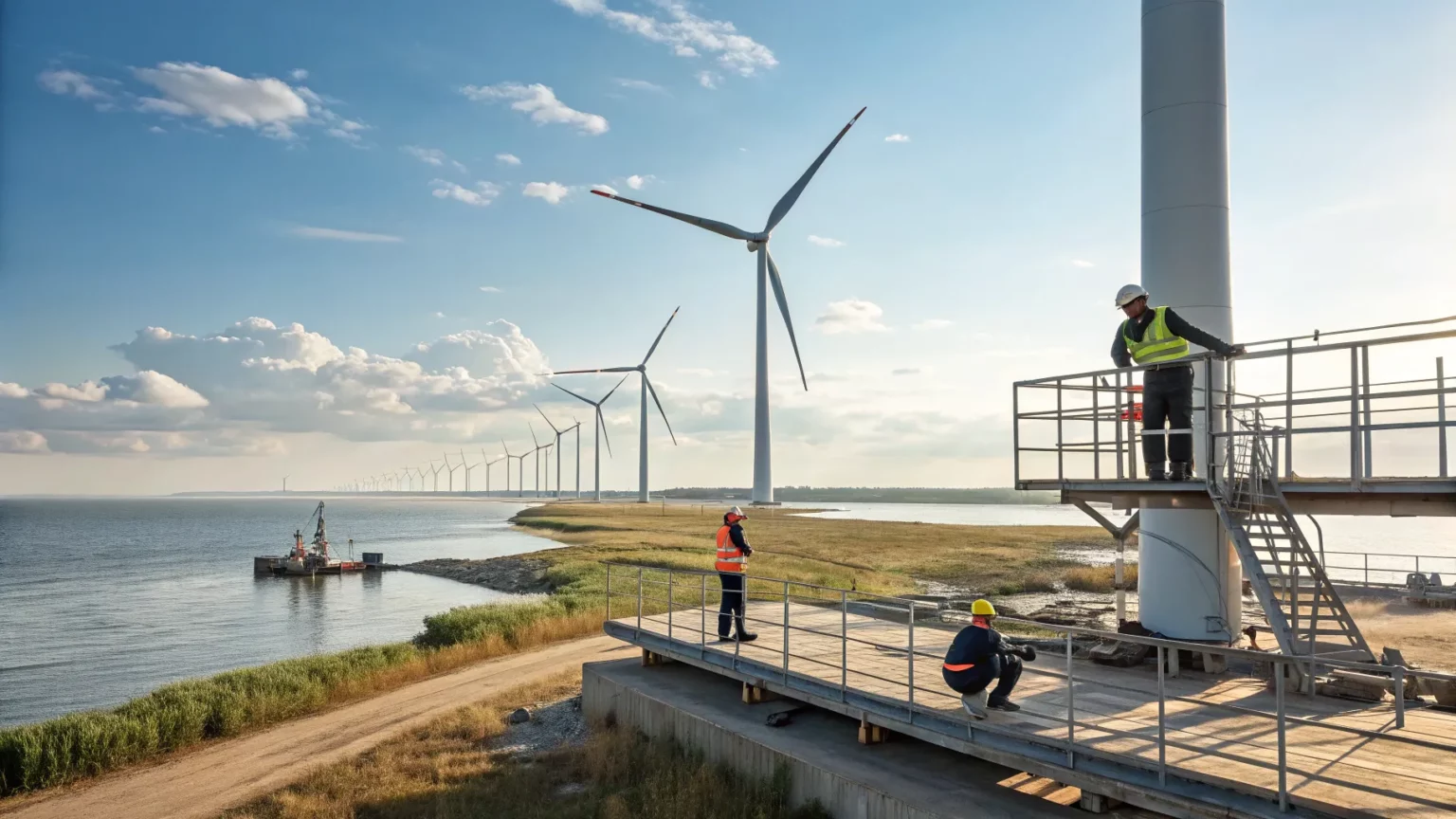
A federal judge on Friday cleared work to resume on a Virginia offshore wind project, marking the third win this week for developers challenging the Trump administration’s recent actions. The ruling arrives as the administration pauses leases for at least 90 days on five East Coast offshore wind sites, setting up a broader clash over energy policy, investment, and climate goals.
The decision restores momentum for a project that had been halted under the pause. It also signals how courts may weigh the balance between federal oversight and states’ plans to grow clean energy. The case highlights the near-term stakes for workers, supply chains, and regional power planning.
Background: Lease Pause Sparks Court Battles
Last month, the administration announced a suspension of leases covering five offshore wind areas along the East Coast for at least 90 days. The pause triggered immediate legal challenges from developers and allied groups that argued the halt would delay construction seasons, financing schedules, and grid commitments. Friday’s ruling is the third court decision this week siding with developers.
“A federal judge ruled Friday that work on a Virginia offshore wind project could resume, the third project this week to successfully challenge the Trump administration in court. The administration announced last month it was suspending leases for at least 90 days on five East Coast offshore wind …”
The order returns the Virginia project to its prior track while the broader policy fight continues. It also adds legal pressure on federal agencies to explain the timing and scope of the pause. Courts often look for a clear administrative record and justification when agencies shift course on existing permits and contracts.
What Is at Stake for States and Developers
States along the Atlantic coast have set firm offshore wind targets to meet clean energy mandates and reduce reliance on fossil fuels. Developers have committed capital for vessels, turbine components, and port upgrades, often in partnership with local suppliers. A prolonged pause could ripple through those plans, as shipyards, fabricators, and construction crews rely on predictable schedules.
- Jobs tied to construction and port activity.
- Project financing and contract deadlines.
- Grid planning and state climate targets.
Analysts say even short delays can add costs by pushing work into harsher seasons or clashing with marine restrictions. Financing can also tighten if investors see higher policy risk. For Virginia, the ruling narrows that risk window and allows crews to prepare for upcoming weather and supply windows.
Legal Reasoning and Broader Implications
While the order’s full reasoning was not available, recent rulings in similar cases have focused on whether agencies followed proper process and provided adequate explanation for sudden changes. Courts have also weighed the public interest in reliable power planning and the economic fallout of pauses. By allowing work to resume, the court signaled concern about immediate harms from the halt.
The administration’s pause aimed to reassess leases across multiple East Coast sites. Developers argued that a blanket suspension without project-specific findings was unnecessary. The court’s action suggests that blanket approaches may face higher scrutiny than tailored measures. It also invites agencies to produce stronger records if they seek to adjust timelines.



Industry Impact and Near-Term Outlook
The ruling sends a signal to equipment suppliers and port operators that schedules may stabilize, at least for Virginia. It may encourage lenders to maintain terms while legal issues proceed. Other East Coast projects could cite the decision as persuasive, given that it is the third favorable ruling this week.
However, uncertainty has not vanished. The 90-day suspension remains on paper for other sites unless lifted or blocked. Developers may stagger procurement to limit exposure. States are likely to keep pressing for clarity to protect ratepayer costs and keep grid plans on track.
What to Watch Next
Observers will track whether federal agencies refine the pause or issue updated guidance. Additional court hearings could define the boundaries of agency discretion on existing leases. State regulators may also consider interim steps to preserve timelines, such as flexible milestones tied to court outcomes.
Friday’s ruling restores work in Virginia and adds to a quick succession of legal wins for the sector this week. It highlights how much project timelines depend on steady federal processes and clear explanations for policy changes. The next 90 days will show whether courts and agencies can stabilize the schedule for offshore wind along the East Coast.