




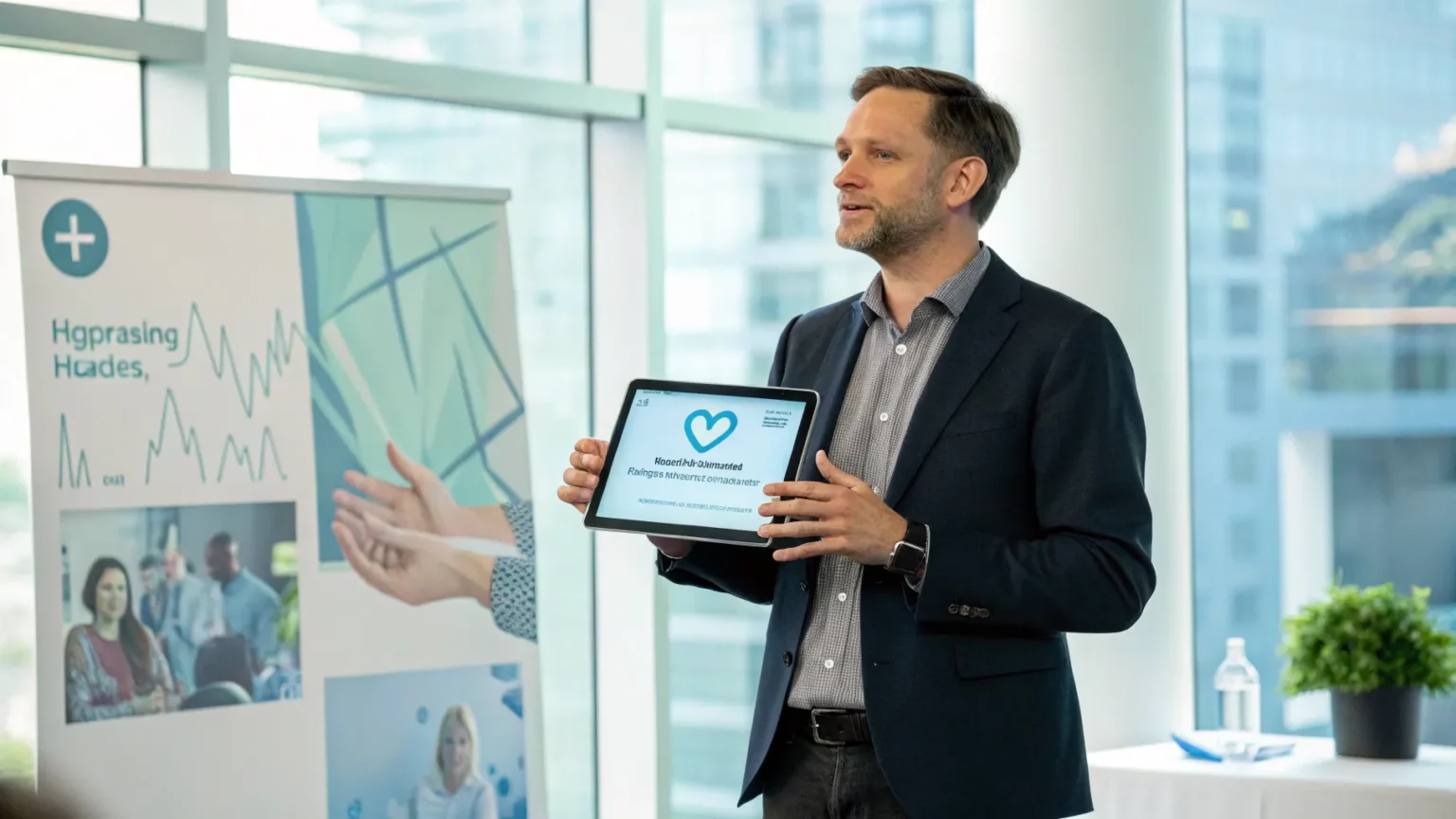
Finance expert Alex Bussenger has introduced Heal Together, a new platform designed to link people coping with the aftermath of medical trauma. The effort seeks to fill a gap between clinical care and everyday recovery. It arrives as more patients and families look for trusted peer support, practical advice, and a path back to stability.
Bussenger’s move from finance into patient support is a response to a clear need. Survivors often leave hospitals with complex questions and few tools to process their experience. Heal Together aims to offer structured connection, moderated spaces, and resources that help people regain confidence.
“A platform that connects people living through the aftermath of medical trauma.”
Why Peer Support Fills a Critical Gap
Medical trauma can extend far past the hospital stay. People face physical limits, financial strain, and changes to work and family roles. Caregivers also carry heavy emotional loads. Many do not have a simple way to find others with similar experiences.
Peer communities can reduce isolation and help people navigate daily life. They are not a substitute for therapy or clinical care, but they can help with practical steps. Survivors often report that hearing from those who have been there makes it easier to ask questions and make decisions.
From Finance to Patient Support
Bussenger’s background in finance shaped the platform’s approach to structure and risk. The aim is to build a system that protects privacy, scales responsibly, and measures outcomes. A finance mindset also informs how the platform plans for long-term sustainability.
Rather than chase rapid expansion, Heal Together signals a focus on steady growth and clear safeguards. That includes careful onboarding, thoughtful community guidelines, and clear reporting processes. The goal is to keep spaces safe without limiting honest discussion.
How Heal Together Works
The platform focuses on connecting people with shared experiences and practical needs. Moderation policies and training aim to keep conversations helpful and truthful. Content is organized around recovery phases, common procedures, and caregiver concerns.
- Peer groups matched by condition, procedure, or role (patient or caregiver)
- Moderated forums with clear community standards
- Resource guides that explain next steps in plain language
- Privacy features that let users control what they share
Community leads play a steady role in guiding discussions. They point users to reliable resources and flag risky advice. The structure is meant to lower anxiety and make it easier to find relevant support.



Safeguards, Misinformation, and Trust
Health-related communities can spread poor advice if not managed well. Heal Together addresses this risk with moderation, flagged content review, and clear rules against medical claims without sources. Users are reminded to consult licensed clinicians for treatment decisions.
Privacy is a central concern. People dealing with rare conditions or sensitive procedures need control. Bussenger’s approach emphasizes consent, data minimization, and simple privacy settings. The platform’s success will depend on how consistently it enforces these rules.
Access and Equity Questions
Peer support often misses those who lack time, internet access, or language options. Observers will watch whether Heal Together expands beyond major cities and English-first communities. Partnerships with hospitals, clinics, and nonprofits could widen reach.
Cost is also a key issue. Many patients face high bills after treatment. If the platform relies on subscriptions, it may shut out those who could benefit most. Sliding-scale models or sponsor support could help more people participate.
Early Impact and What to Watch
The platform’s promise will be measured by user retention, meaningful connections, and reduced stress for both patients and caregivers. Hospitals may see value if peer support helps people follow care plans and avoid complications. Insurers and employers may pay attention if it reduces time away from work.
There are also signs of interest in condition-specific communities and caregiver networks. If Heal Together can show safe growth and useful outcomes, it could partner with care teams to offer post-discharge support pathways.
Key indicators to track include:
- Engagement in moderated groups over time
- User-reported improvements in confidence and daily functioning
- Successful referrals to licensed professionals when needed
- Expansion into underserved regions and languages
Heal Together enters a space where trust is hard-won. Bussenger’s finance roots may help the platform set clear rules and sustain operations. The next phase will test whether careful design and strong guardrails can turn peer connection into lasting support. For patients and families rebuilding after trauma, reliable community may be as important as any follow-up visit.