



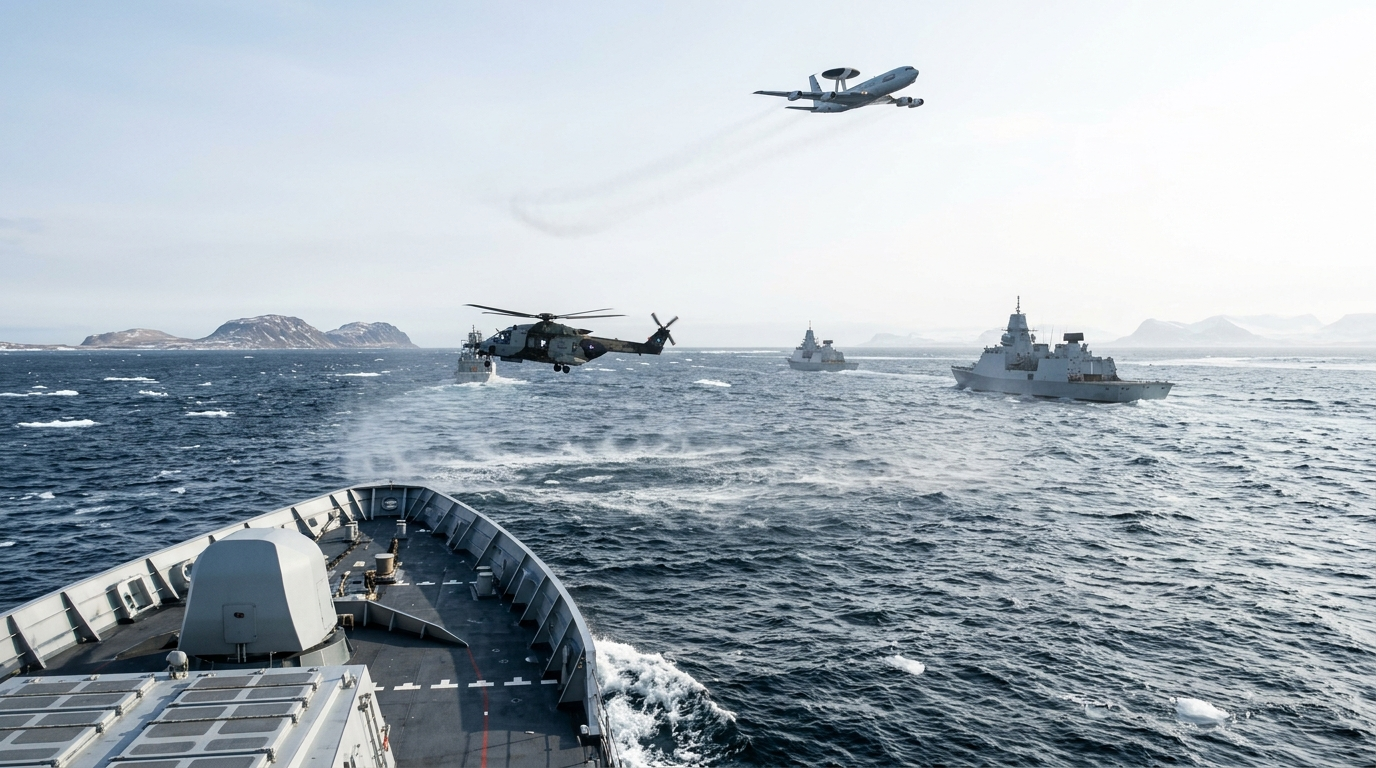
NATO is giving greater attention to its northern flank as Russian military activity rises across the Arctic and North Atlantic. The shift places added focus on surveillance, military readiness, and the defense of vital sea routes.
The region connects North America and Europe and hosts important military bases, shipping lanes, and communications cables. Changes in Arctic ice are also making some waters more accessible, increasing their economic and strategic value.
Alliance Expansion Reshapes Northern Defense
Finland joined NATO in April 2023, followed by Sweden in March 2024. Their membership expanded the alliance’s reach across northern Europe and strengthened its position around the Baltic Sea.
Finland also brought a long border with Russia into NATO’s collective defense area. Sweden added capable armed forces, advanced defense industries, and the strategically placed island of Gotland.
These additions give NATO more options for moving forces and sharing intelligence. They also create new demands for planning, logistics, and coordination across a large and difficult region.
“NATO is increasingly focused on reinforcing its northern flank amid a rise in Russian military activity across the Arctic and North Atlantic.”
Reinforcement can involve more patrols, military exercises, radar coverage, and anti-submarine operations. It may also require upgraded ports, airfields, roads, and fuel storage sites.
Why the Arctic and Atlantic Matter
Russia has maintained major military assets in its far north. Its Northern Fleet operates from the Kola Peninsula, near NATO members Finland and Norway. The fleet includes submarines and vessels linked to Russia’s nuclear deterrent.
The North Atlantic is equally important. NATO depends on those waters to move personnel, equipment, and supplies between North America and Europe during a crisis.


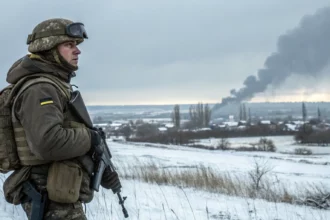
The waters between Greenland, Iceland, and the United Kingdom form a key maritime passage. Monitoring that area can help NATO track submarines entering the wider Atlantic.
- Norway provides access to the Barents and Norwegian seas.
- Iceland occupies a central position along North Atlantic routes.
- Greenland supports Arctic monitoring and early warning.
- Finland and Sweden improve regional mobility and defense planning.
Undersea infrastructure has become another concern. Communications cables and energy links carry data and power between countries. Damage, whether deliberate or accidental, can have broad security and economic effects.
Deterrence Carries Risks
NATO presents stronger defenses as a way to prevent conflict. A visible military presence can signal that an attack would face a coordinated response under the alliance’s collective defense commitment.
Russia, however, has long criticized NATO expansion and increased allied activity near its borders. Additional deployments and exercises may produce sharper rhetoric, closer encounters, or competing military moves.
That creates a difficult balance. NATO members want enough capability to deter aggression without increasing the chance of miscalculation. Clear communication and established rules for military encounters remain important.
Environmental and practical limits also shape northern operations. Extreme cold, long distances, limited infrastructure, and seasonal darkness can slow deployments. Military activity may also affect fragile ecosystems and Indigenous communities.
What NATO Must Address Next
The alliance’s next steps are likely to center on readiness rather than permanent large-scale deployments. Joint exercises can test whether forces from different countries can operate together under Arctic conditions.
Members will also need to improve maritime awareness and protect civilian infrastructure. That work may require closer cooperation among armed forces, intelligence agencies, coast guards, and private operators.
NATO’s northern strategy now extends from the Baltic region to the high Arctic and across the North Atlantic. Finland and Sweden have strengthened that position, but geography alone does not ensure security.
The central test will be whether allies can turn their expanded territory into effective defense while managing escalation. Future Russian deployments, submarine activity, and NATO exercises will show how quickly the northern balance is changing.