



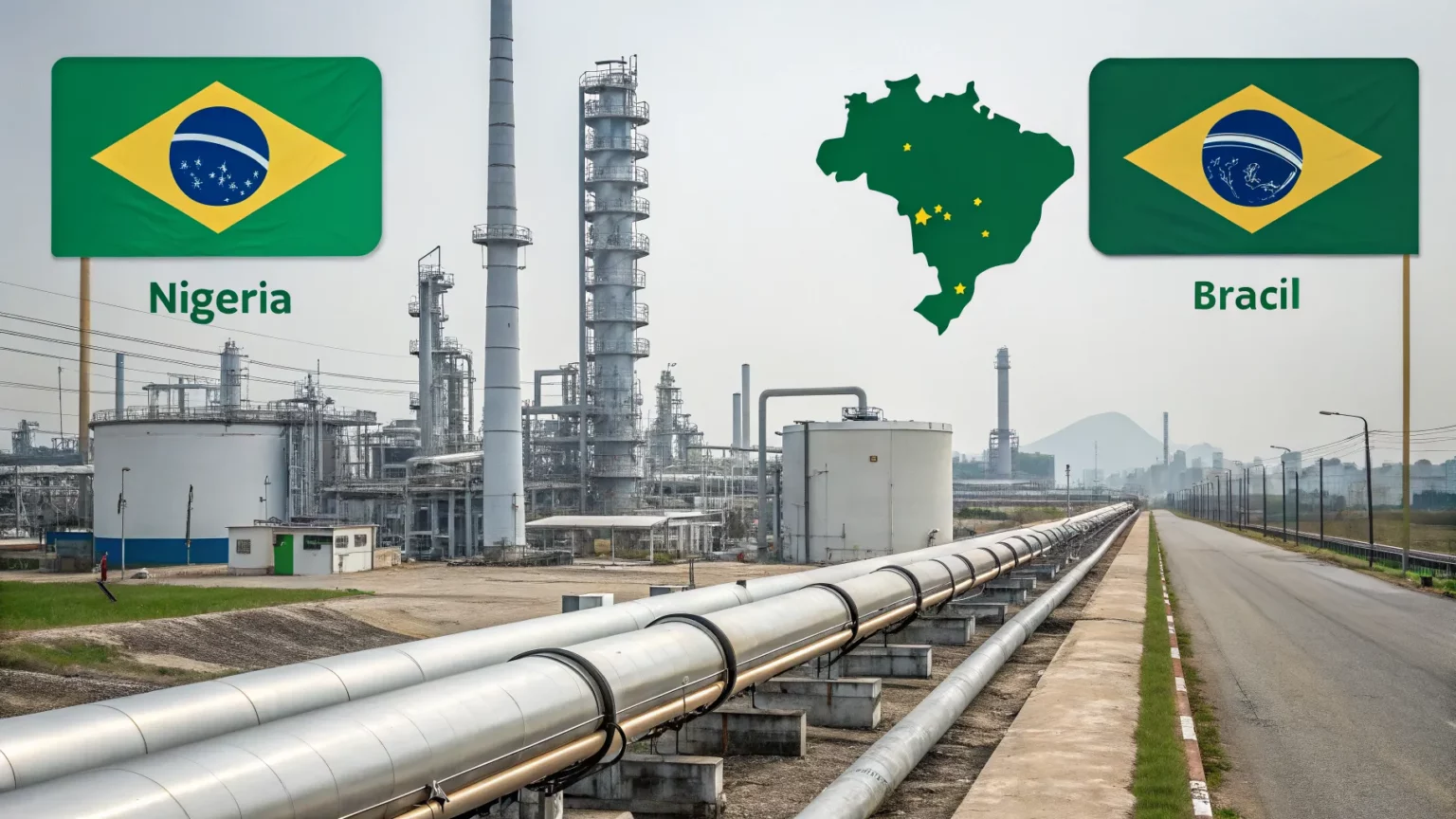
Shell’s government payments dropped sharply in 2025, and Brazil passed Nigeria as the company’s largest state recipient. The change points to a reshaping of the oil major’s upstream footprint across two of its most important regions. It carries fiscal implications for both countries, and signals how investment, security, and regulations can redirect corporate revenue flows.
“Shell Plc’s payments to countries where it has upstream operations fell sharply in 2025, with Brazil overtaking Nigeria as the company’s biggest state beneficiary.”
The shift arrives as Shell continues to rebalance its portfolio, pursue lower-cost barrels, and manage legacy risks in West Africa. It also tracks with steady output growth from Brazil’s deepwater fields and years of disruption across parts of Nigeria’s oil sector.
What These Payments Mean
Oil companies report what they pay to governments for access to resources. These disclosures usually include taxes, royalties, production entitlements, and fees. Many major producers, including Shell, publish annual Payment to Governments reports, in line with transparency rules in the UK and the European Union and aligned with the Extractive Industries Transparency Initiative.
A year-on-year decline can reflect lower prices, reduced output, asset sales, or changes in fiscal terms. A change in the top recipient often signals where the barrels, and the investment dollars, are going.
Brazil’s Rise
Brazil has emerged as a growth engine for deepwater oil. Pre-salt projects have delivered high flow rates and competitive costs. International partners have expanded stakes in recent years as new phases come online and infrastructure matures.
For a company like Shell, higher production from pre-salt fields can lift payments tied to royalties and profit oil, even if headline oil prices soften. Brazil’s stable project timelines and large-scale developments support steady government receipts once facilities ramp up.
- Deepwater output has grown faster than many onshore regions.
- Project clustering and shared infrastructure improve economics over time.
Nigeria’s Changing Role
Nigeria has long been one of Shell’s most important countries, especially through joint ventures and offshore assets. But recurring challenges—oil theft, pipeline vandalism, and community disruptions—have curbed onshore production for years. Regulatory changes under the Petroleum Industry Act also reshaped investment decisions.
Shell has moved to exit some onshore positions while keeping deepwater ventures. That shift concentrates activity where above-ground risks are lower. As assets change hands and output patterns adjust, government receipts can decline in the short term.



Civil society groups in Nigeria argue that steady, transparent payments remain vital for public budgets and local development. Officials, for their part, have worked to secure infrastructure and restore volumes. Whether those efforts can reverse the 2025 drop will depend on approvals, new operators’ plans, and export reliability.
Signals For Investors And Governments
The 2025 payment slide highlights how exposure to high-margin deepwater projects can buffer companies while redirecting state revenues. For Brazil, rising receipts hint at sustained growth from maturing pre-salt hubs. For Nigeria, the data may confirm an inflection point as onshore divestments proceed and deepwater assets carry more of the load.
Industry analysts will watch for three markers in 2026 disclosures: the pace of Brazilian ramp-ups, the status of Nigerian asset transfers, and any rebound in Nigerian export reliability. Exchange rates and fiscal terms will also matter, as will global prices.
What Could Come Next
Transparency groups will likely press for detailed breakdowns by project and payment type to help citizens track state income. Governments may respond by reassessing terms to attract investment while safeguarding public revenue. In parallel, companies will weigh returns against operational risks as they plan capital spending.
If Brazil sustains high deepwater output, it could retain its lead among Shell’s recipients. Nigeria could narrow the gap if onshore security improves and planned offshore projects advance. Either outcome will show how portfolio shifts translate into fiscal flows.
Shell’s 2025 disclosures offer a clear headline: payments fell and Brazil moved ahead of Nigeria. The next reports will show whether this was a one-year swing or a lasting reset in where the money goes—and why.