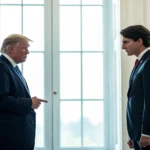




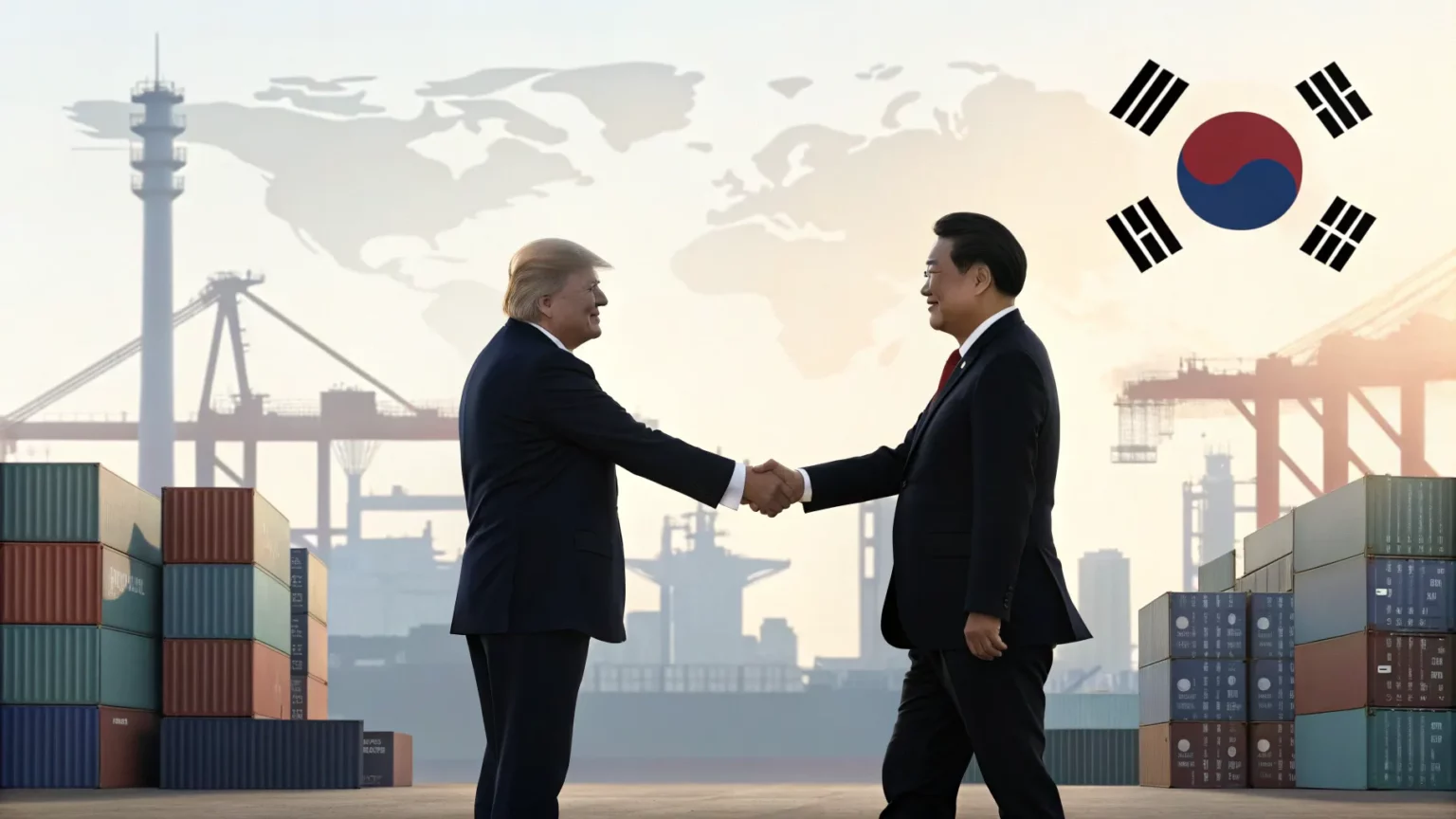
President Donald Trump said on Monday that the United States will raise tariffs on goods from South Korea from 15% to 25%. The move marks a sharp escalation in trade tensions between the two allies. It could affect major industries, consumer prices, and diplomatic ties at a sensitive time for global supply chains.
The announcement did not include a detailed rationale or timeline for implementation. It also did not specify which goods will face the higher rate. The decision comes as both countries manage economic headwinds and seek to secure critical technology and manufacturing links.
“President Donald Trump announced on Monday he is raising tariffs on goods from South Korea from 15% to 25%.”
Background on Trade Between the U.S. and South Korea
The United States and South Korea are close security partners and major trading partners. Trade between the two countries has grown since the Korea-U.S. Free Trade Agreement took effect in 2012. That pact lowered many barriers and encouraged investment on both sides.
During the last period of tariff disputes, Washington and Seoul renegotiated parts of that trade deal. Steel, autos, and electronics have long been sensitive areas. The new tariff hike signals a tougher stance that could reopen old debates about market access and trade fairness.
Tariffs function like a tax on imports. A higher rate often raises costs for U.S. buyers and can shift sourcing to other countries. Exporters in South Korea may see reduced orders if U.S. demand falls.
Industries Likely to Feel the Strain
Without a product list, companies are bracing for broad effects. South Korea is a major supplier of technology hardware and key inputs used by U.S. manufacturers. A higher tariff rate may ripple through supply chains and hit prices for finished goods.
- Autos and parts, including advanced components
- Consumer electronics and semiconductors
- Steel, chemicals, and industrial materials
Retailers could face higher costs on imported goods. Manufacturers that rely on Korean components may need to reprice products or search for alternatives. Small businesses with thin margins could be especially exposed.
Economic and Consumer Impact
Higher tariffs often raise costs for importers and, in time, consumers. Prices on electronics, appliances, and vehicles could rise if companies pass on costs. Some firms may absorb part of the increase to protect sales, at least in the short term.



Economists warn that tariff hikes can slow investment by adding uncertainty. Companies delay purchases and expansion when they cannot predict costs. If the tariff covers inputs, inflationary pressure can build across many product categories.
However, advocates of higher tariffs argue they can strengthen domestic production. They say the policy can encourage investment at home and protect U.S. jobs in key industries.
Diplomatic and Security Considerations
The United States and South Korea work closely on defense and regional security. Trade disputes can complicate cooperation, even if the security relationship remains strong. Seoul may explore targeted measures or seek talks to limit the damage.
Allies often try to resolve trade tensions through negotiations. A meeting between trade officials could clarify product lists, timelines, and exemptions. Businesses on both sides will press for predictability and clear rules.
What Business Leaders Are Watching
Executives are seeking answers to core questions. They want to know whether the 25% rate will apply to all categories, or only to a defined list. They also need the start date to adjust purchase orders and shipping schedules.
Companies with global supply chains may shift sourcing to countries with lower tariffs. Others may ask for waivers or use bonded warehouses to manage timing. Contract terms may be renegotiated to share costs between buyers and suppliers.
Next Steps and Possible Outcomes
Trade officials in both countries could enter talks to narrow the scope of the tariff. A phased approach or product exclusions would reduce disruption. Clear guidance from Washington would help businesses plan.
If the higher rate takes effect broadly, consumers may see higher prices later this year. U.S. manufacturers dependent on Korean inputs could face delays and cost pressures. South Korean exporters may redirect shipments to other markets if U.S. demand slows.
The announcement signals a more assertive trade posture. The key issues now are scope, timing, and duration. Clarity on those points will determine how deep the impact runs across industries and households. Observers will watch for talks, exemptions, and any response from Seoul in the days ahead.