




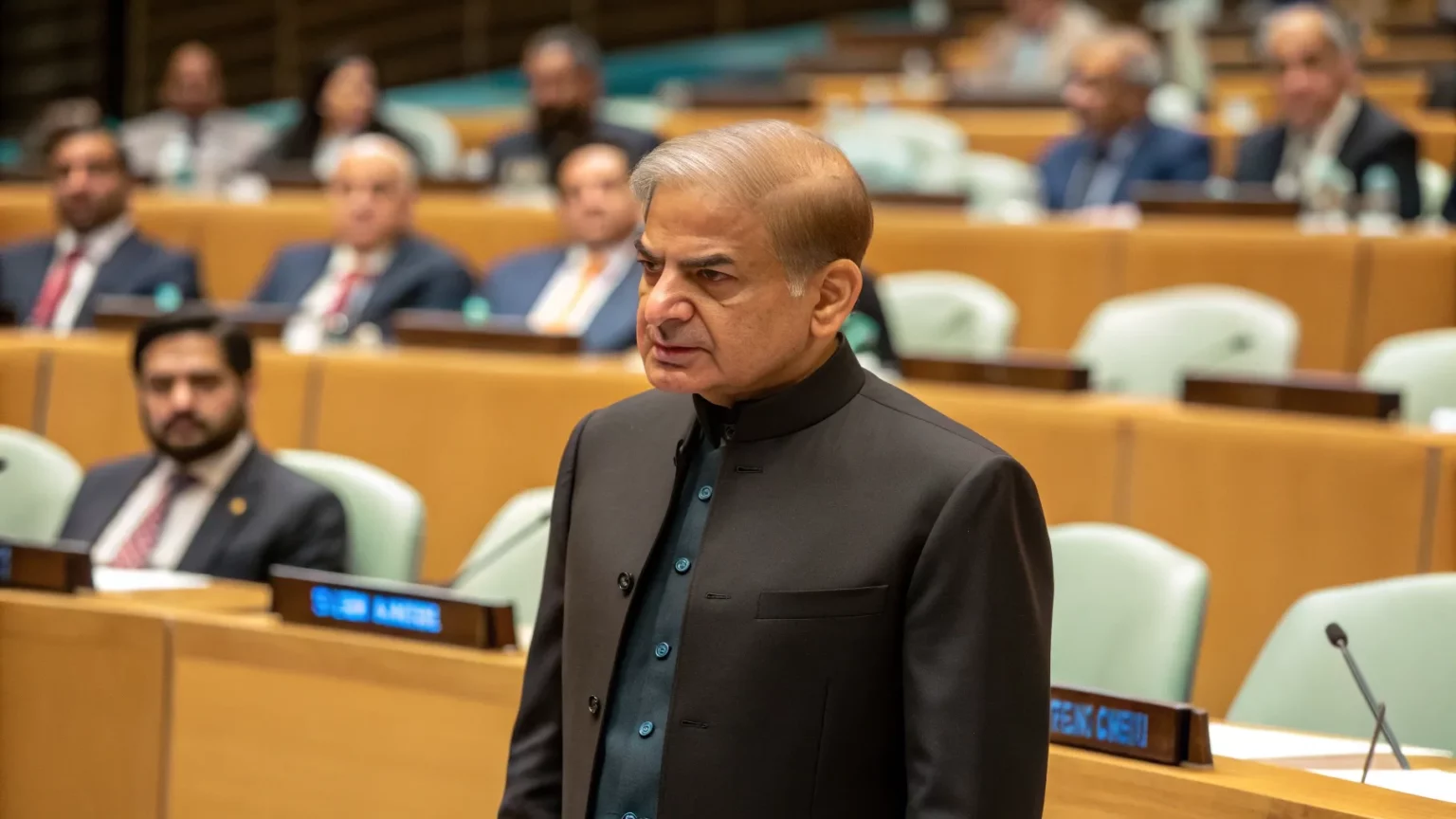
Standing before presidents and prime ministers in New York, Pakistan’s new leader used his debut on the world’s biggest stage to deliver a blunt warning: climate disasters are pushing his country to the brink, and millions are at risk right now. Speaking to the U.N. General Assembly, Prime Minister Shahbaz Sharif described a nation battered by record floods and appealed for help as Pakistan struggles to recover and protect more than 33 million people in harm’s way.
The address came as humanitarian groups report continuing needs in flood-hit regions, and as governments weigh how to fund recovery while also preparing for the next climate shock. Sharif’s message was direct: Pakistan did not cause the crisis, but it is living with the consequences — and the bill is staggering.
A Country Underwater, A Global Test
Pakistan’s summer monsoon season has grown more erratic in recent years, bringing heavier rains over shorter periods. In 2022, floods submerged large swaths of the country, destroying homes, bridges, and farmland. Authorities and aid groups estimated thousands dead and millions displaced at the peak, with damages and economic losses estimated in the tens of billions of dollars.
Scientists have linked amplified rainfall to warming temperatures, a pattern that puts low-lying and riverine communities at higher risk. Pakistan, which contributes a small share of global emissions, sits squarely in this danger zone. That imbalance is now central to its diplomatic push.
“As I stand here today to tell the story of my …”
Sharif paused, then returned to the numbers, stressing that “more than 33 million people” faced immediate and long-term threats from flooding, disease, and lost livelihoods. The figure, used by Pakistani officials and aid agencies during recent disasters, served as the anchor of his plea.
A Call for Help, And For Fairness
Sharif framed his remarks as both an emergency request and a fairness argument. He urged donors to speed recovery funds, expand debt relief, and support climate adaptation projects that can prevent future losses. He also pressed for stronger global financing tools to help countries respond when disasters strike.
Supporters of this approach say frontline states should not carry the cost alone. They point to past promises made at U.N. climate summits, including pledges to fund “loss and damage” — money aimed at communities hit by climate harms that cannot be avoided or adapted to. While some funds are moving, much remains tied up in debates over who pays and how money reaches those in need.
Lives Upended, Systems Strained
Inside Pakistan, the consequences are visible far from the U.N. microphones. Farmers in Sindh and Balochistan have watched fields turn to lakes. Families who lost homes now weigh whether to rebuild in place or move. Health workers fight surges in waterborne disease. School systems and clinics, already stretched, are struggling to serve displaced families.



Economists warn that repeated shocks could trap communities in a cycle of loss. Rebuilding roads and irrigation is expensive. Replanting crops takes time. Without stronger defenses, the next storm can erase months of progress overnight.
What Help Looks Like
Pakistan has laid out a menu of near-term needs and longer-term fixes.
- Reconstruction of roads, bridges, and schools in flood-hit districts.
- Grants and low-interest loans for farmers and small businesses.
- Investment in climate-resilient housing and early warning systems.
- River management, drainage projects, and restored wetlands to absorb floods.
Advocates say these steps would save lives and money. For every dollar invested in preparedness, they argue, multiple dollars can be saved in future disaster costs.
Diplomacy Meets Reality
Sharif’s pitch reflects a broader shift at the U.N., where climate is no longer a side panel but a headline issue. Leaders from vulnerable countries have pressed the case that relief must be faster and easier to access. Donor countries, facing their own political fights and budget pressures, agree in principle but often move slowly in practice.
Analysts say Pakistan’s appeal could gain traction if paired with clear safeguards, transparent spending, and projects that deliver visible results. That would help build trust among taxpayers in donor nations and give communities in Pakistan reason to believe help will actually reach them.
What Comes Next
Pakistan will keep pushing for funding commitments and technical help, both through the U.N. and at climate summits. The government is likely to spotlight projects that can be scaled, from elevated clinics and flood-resilient roads to insurance pilots for farmers. The focus, officials say, is speed and accountability.
For now, the prime minister’s message lands as both request and reminder. The waters that swamped villages may recede, but the risks remain. How the world responds — quickly, fairly, and at scale — will shape not only Pakistan’s recovery but the playbook for every nation staring down the next supercharged storm.
Bottom line: Sharif put leaders on notice. Help is needed to rebuild, to prevent repeat disasters, and to keep millions from sliding deeper into crisis. Watch for concrete pledges, faster disbursements, and whether this plea turns into projects on the ground before the next monsoon arrives.