




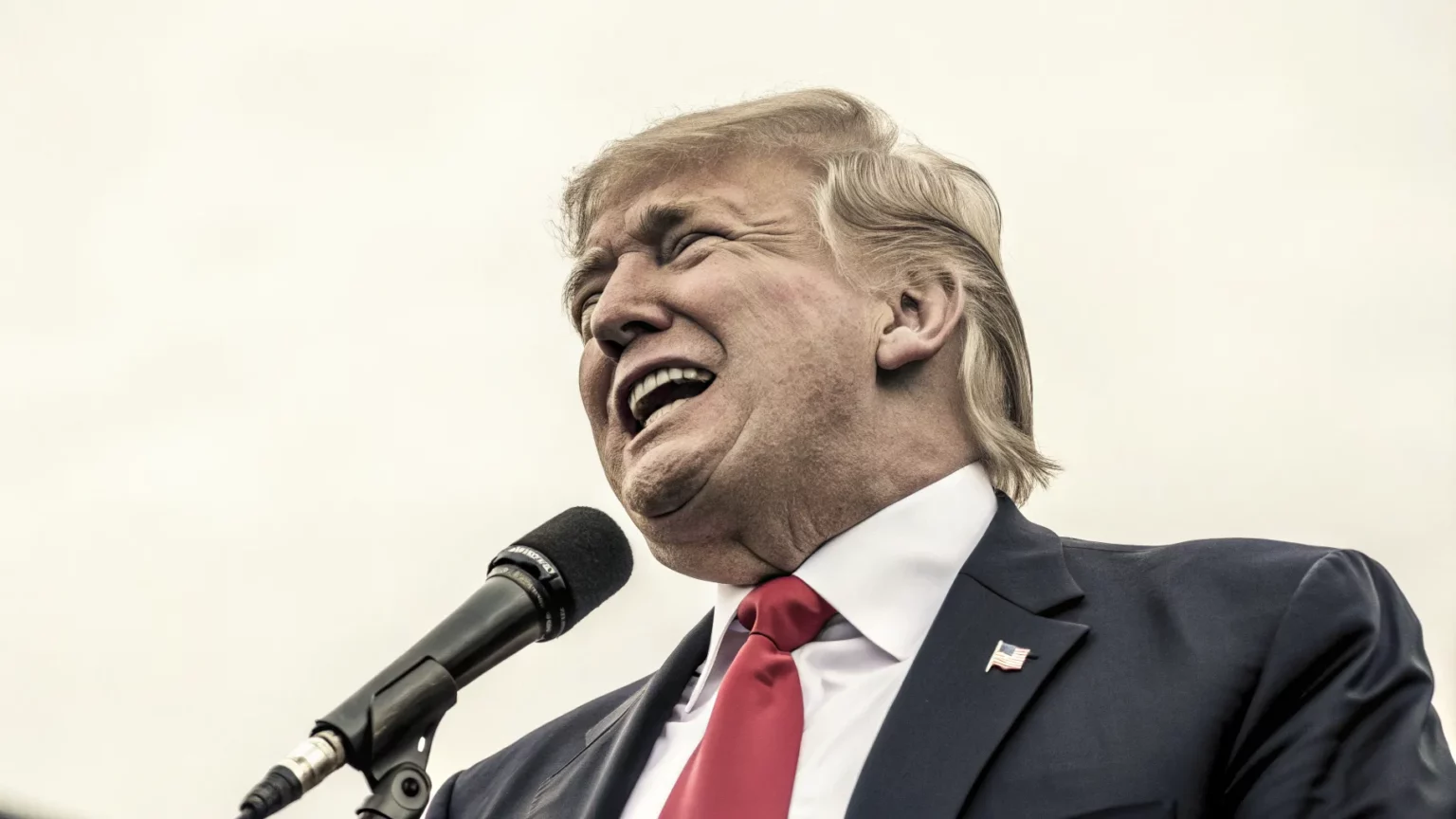
A prominent ally of former President Donald Trump mocked Meghan Markle’s past claim that she was the “most trolled person in the world,” yet offered a surprising nod of approval for her acting career on Suits. The remarks, delivered during a recent media appearance, added a sharp political edge to a long-running debate over online abuse of public figures.
The exchange mixed criticism with praise. The political figure dismissed Markle’s statement about digital harassment, while also saying he enjoys her work on television. The moment reflects how celebrity, politics, and internet culture keep colliding in public conversation.
Background on Markle’s Claim
Markle has spoken for years about the weight of online vitriol aimed at her and her family. She has described the flood of personal attacks as relentless, especially after stepping back from royal duties with Prince Harry and moving to North America in 2020.
Her past comments about online targeting drew wide attention because they put a human face on abuse directed at high-profile women. They also sparked questions about whether fame makes criticism fair game, or if the scale of harassment has grown far past acceptable limits.
“Most trolled person in the world.”
That specific phrase has become a flashpoint. Supporters say it reflects the extraordinary scrutiny she faced. Detractors argue that such a sweeping claim invites skepticism without clear, public data to back it up.
The Ally’s Split-Screen Take
The Trump ally’s comments followed that pattern of pushback, but with an unexpected twist. After questioning Markle’s claim, he quickly pivoted to praise her on-screen work.
He said he was “a big fan of her in the TV show ‘Suits.’”
The contrast—mockery of her online-abuse statement alongside a compliment for her acting—captures how Markle’s image is pulled in two directions. She is both a political lightning rod and a pop-culture figure known to millions through a hit legal drama.
What the Data Says About Online Abuse
Independent research shows online harassment affects huge numbers of people, and public figures often take the brunt. The Pew Research Center has reported that about four-in-ten Americans say they have faced online harassment, with women and people of color frequently targeted with harsher abuse.


Advocacy groups have also found that female public figures receive a high volume of slurs, threats, and body-shaming. While measurements vary by platform and method, the direction is clear: as public attention rises, so does harassment.
- Public visibility can act as a magnet for hostile content.
- Women, especially women of color, report more severe harassment.
- Scaled moderation often lags behind viral pile-ons.
That backdrop helps explain why Markle’s supporters treat her claims as credible, even if the exact superlative is hard to verify.
Politics Meets Pop Culture
The reaction from a Trump-aligned figure highlights how discussions about online abuse often break along political lines. Skeptics frame high-profile complaints as exaggerations. Others argue the tone of online discourse has grown harsher, and dismissing it invites real harm.
Markle’s acting career only complicates the picture. Suits drew a huge new audience after streaming platforms boosted its reach, bringing fresh waves of attention—positive and negative—back to one of its breakout stars. That renewed fame can amplify both praise and trolling.
Why This Moment Matters
This back-and-forth touches on a larger question: Who gets to define the scale of online harm? People who live under a spotlight may feel the damage in ways that are hard to chart, even as critics demand hard numbers.
Meanwhile, platforms and watchdogs still struggle to curb coordinated pile-ons without stifling open debate. The result is a noisy status quo where high-profile targets are asked to prove the pain that often cannot be neatly graphed.
The latest remarks show how even a compliment—calling Markle’s Suits role a favorite—can sit right next to a jab at her experience online. It is a tidy snapshot of modern public life: admiration on one hand, doubt on the other, and an internet chorus that rarely quiets.
As the culture war over celebrity and influence rolls on, watch for two developments: better platform transparency about harassment rates, and clearer standards for measuring targeted abuse. Until then, the debate over who is “most trolled” will keep generating heat—on-air, online, and everywhere attention flows.