




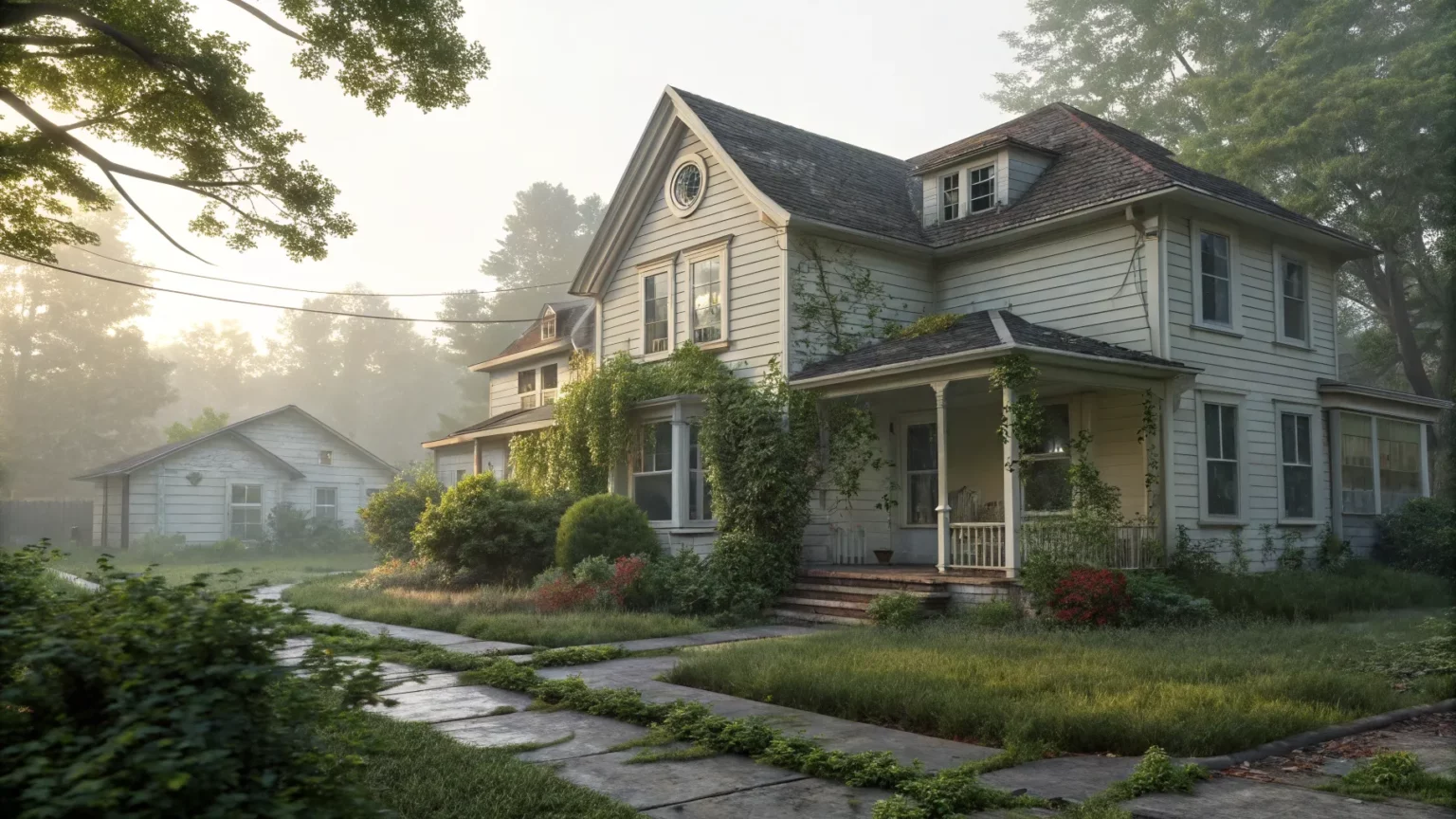
As home shoppers bid on tight inventories, a quieter cost is creeping in: insurance. Consumer finance columnist Liz Weston put it plainly:
“When house hunting, the price of homeowners insurance probably isn’t top of mind.”
But she also warned that some properties carry hazards that can blow up a budget.
“Homes with hidden risks can make getting coverage difficult, expensive or both.”
The message lands at a tense moment for buyers in storm-prone regions and fast-growing suburbs. The who: first-time buyers, move-up families, and retirees on fixed incomes. The what: higher premiums, stricter underwriting, or even nonrenewals. The when: as peak homebuying seasons return. The where: from wildfire zones in the West to hurricane corridors along the Gulf and Atlantic coasts. The why: a mix of climate exposure, repair inflation, and tighter insurer rules.
Why Insurance Costs Are Rising
Insurers have faced larger and more frequent losses from wildfires, hurricanes, hail, and flooding. Rebuilding is pricier as labor and materials rise. Reinsurance, the backup insurance that carriers buy, has also gone up, pushing premiums higher.
That pressure has led some carriers to limit new policies in the riskiest areas. Shoppers often find fewer options and more hoops to jump through. In some states, buyers may turn to last-resort plans that cost more and cover less. As Weston noted,
“Learning how to identify them could save you a bundle.”
The Hidden Hazards That Raise Premiums
Many risks sit behind walls, under roofs, or on property lines. They can trigger higher costs or outright denials.
- Wildfire exposure near overgrown brush or steep canyons.
- Flood risk outside FEMA high-risk zones due to poor drainage or nearby creeks.
- Wind and hail exposure on open lots or coastal areas.
- Aging roofs, especially wood shake or brittle shingles.
- Old electrical systems, such as certain panels or knob-and-tube wiring.
- Galvanized or polybutylene plumbing prone to leaks.
- Unfenced pools, diving boards, or trampolines that raise liability risk.
- Prior insurance claims on the property, which can follow the address.
Each issue can make a home harder to insure. Fixes vary from roof replacements to defensible space in wildfire regions to modern electrical upgrades. Buyers who find and plan for these costs early can avoid closing-day shock.
How Buyers Can Check Risks Before Bidding
Research pays off before an offer. Buyers can ask for the home’s age of roof, last update dates for plumbing and electrical, and any permits. They can request a seller’s disclosure and home inspection that flags safety issues. An insurance agent can provide quotes based on the exact address, not just a ZIP code. That step helps reveal wind, hail, or fire surcharges tied to the property’s location.



For flood risk, many homes outside high-risk maps still flood. Private tools and local floodplain maps can reveal micro risks from creeks, new construction, or clogged storm drains. In wildfire zones, state and local fire officials often publish ember exposure maps and defensible space guidance. Buyers can also ask about community fire-hardening programs, which sometimes bring premium credits.
If a property has prior claims, those can show up in insurer databases. An agent can explain if a claim history will change the price or the policy terms. When the home has risky features—say, an old roof—buyers can negotiate repairs or price reductions to offset required upgrades.
Market Impact and What Comes Next
Higher premiums can shrink buying power, especially when mortgage rates are elevated. In some regions, the monthly insurance bill rivals a car payment. Real estate agents now field coverage questions early, as insurance becomes part of affordability math.
Insurers are adjusting, too. Many are pushing for stronger roofs, better fire protection, and water-leak sensors. Some offer discounts for home-hardening steps. Local governments are updating building codes and drainage rules after repeat disasters. Lenders are watching as insurance availability affects closings, escrow accounts, and default risk.
Buyers should expect more underwriting questions, not fewer. Photos, inspections, and proof of updates are now common. The quickest wins come from visible fixes: new roofs that meet modern standards, cleared vegetation, GFCI outlets, and secure pool fencing.
Weston’s warning is simple and timely. Insurance is no longer a back-of-the-envelope guess. It can change a deal. Savvy buyers will price premiums early, inspect for red flags, and plan upgrades that cut risk.
The takeaway: check insurance at the same time you shop for a mortgage. Ask for multiple quotes, verify flood and fire exposure, and budget for fixes. Watch for state policy debates, new mitigation discounts, and carrier shifts that can open or close options fast. The best offer is the one that still feels good after the insurer weighs in.