




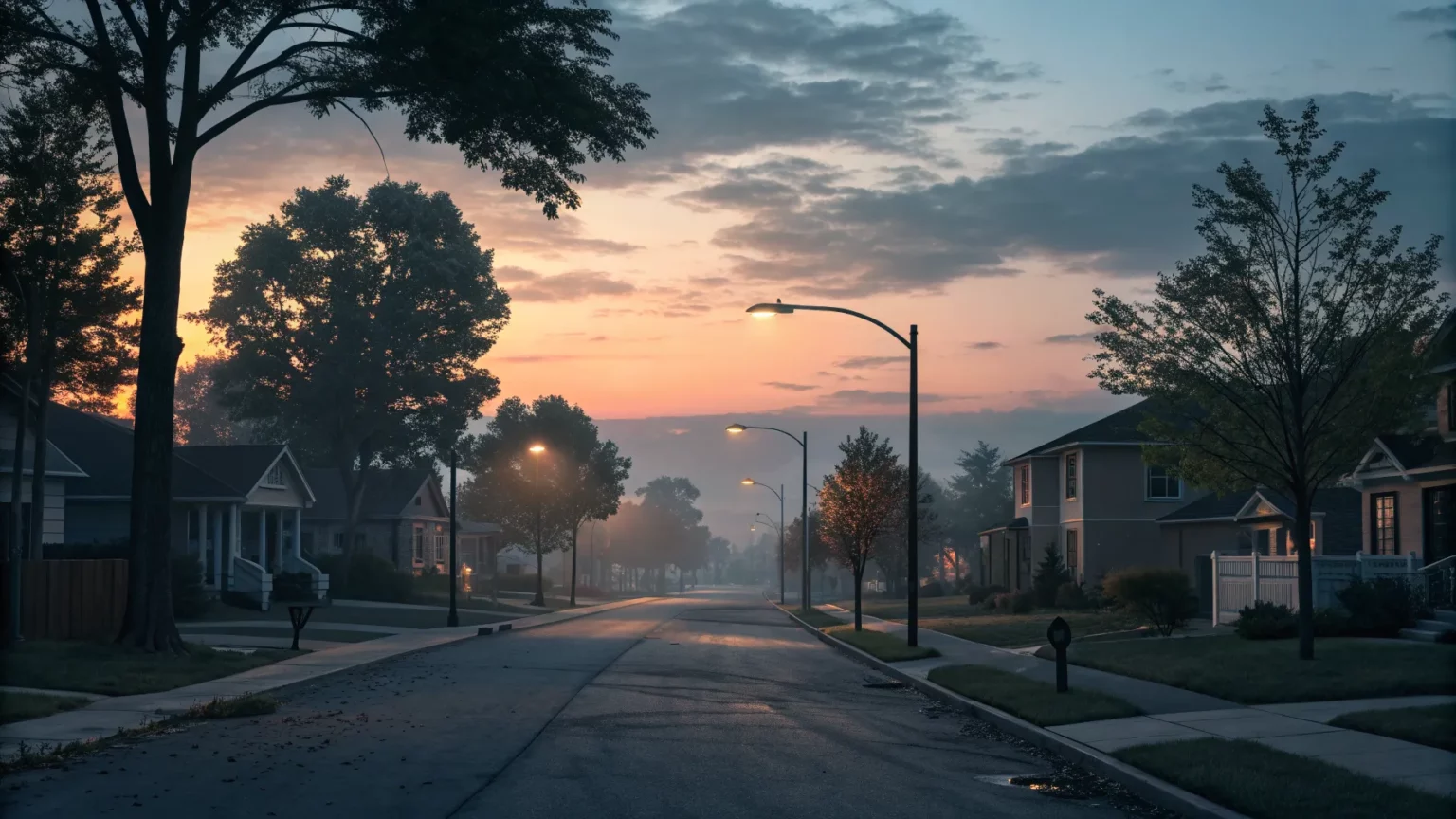
As sunset creeps earlier and temperatures drop, many Americans face another stretch of long evenings indoors, testing patience and mood after months of upheaval.
Writer Melissa Rayworth captured the moment plainly:
“Sunset is arriving noticeably earlier, meaning less mood-lifting daylight for everyone. The weather is turning colder, so we’ll soon spend even more time cooped up inside the homes where we’ve huddled, and sometimes completely quarantined, for six months.”
Her words reflect a widespread concern as communities brace for shorter days. The timing matters. People who have managed outdoor routines may now lose daylight and structure. That can shake sleep, focus, and motivation.
Shorter Days, Longer Evenings
Seasonal darkness often brings lower energy and low mood. Add months of disrupted schedules and isolation, and the strain can climb.
Even small shifts in daylight can change daily patterns. Commutes finish in twilight. Kids play inside. Neighborhoods feel quiet earlier.
Many households already reorganized life once. Another reset, forced by the clock and the cold, can feel like a second act nobody asked for.
The Weight of Staying Inside
Rayworth’s description of months “huddled” at home points to more than cabin fever. Living, working, and schooling under one roof blurs lines.
Without daylight, those lines blur faster. Screens fill the gap left by walks, sports, and porch chats. Sleep can suffer when the evening stretches on.



Parents juggle routines that keep slipping. Singles and elders risk loneliness. For everyone, the early dark can amplify stress that was already there.
Community and Industry Scramble
Local gyms and recreation groups explore safe indoor options. Libraries expand pickup hours. Parks weigh lighting schedules as foot traffic shifts earlier.
Retailers tilt to curbside pickup and early-morning service windows. Mental health providers report steady interest in telehealth as people look for steady support.
Little changes matter. Block associations plan afternoon check-ins. Schools remind families to step outside at lunch. Employers test flexible hours while daylight lasts.
What Helps Right Now
The goal is not to conquer winter. It is to make it routine. That starts with daylight, structure, and connection.
- Plan a daily dose of outdoor light, even 15 minutes at midday.
- Keep a simple schedule: wake time, movement, meals, wind-down.
- Use bright indoor lighting in the morning; dim lights at night.
- Set short social rituals: a walk, a call, a shared tea break.
- Cut news doomscrolling after dinner to protect sleep.
None of these steps are flashy. They are repeatable. That is the point.
Balancing Realism With Hope
The early dark is not a moral test. It is a clock shift paired with cold weather. People are not failing when it feels hard.
Communities know how to adapt. They did it in spring and summer. They can do it again with smaller, steadier steps.
Rayworth’s framing gives language to a shared mood. Naming the stress makes space for action. Quiet habits, practiced daily, do the rest.
As fall deepens and the sun ducks out early, expect neighborhoods to rethink routines once more. Watch for creative use of midday hours, modest indoor adjustments, and renewed attention to sleep and connection. The season will turn on schedule. With a plan and a bit of grace, evenings can feel lighter than the sky outside.