




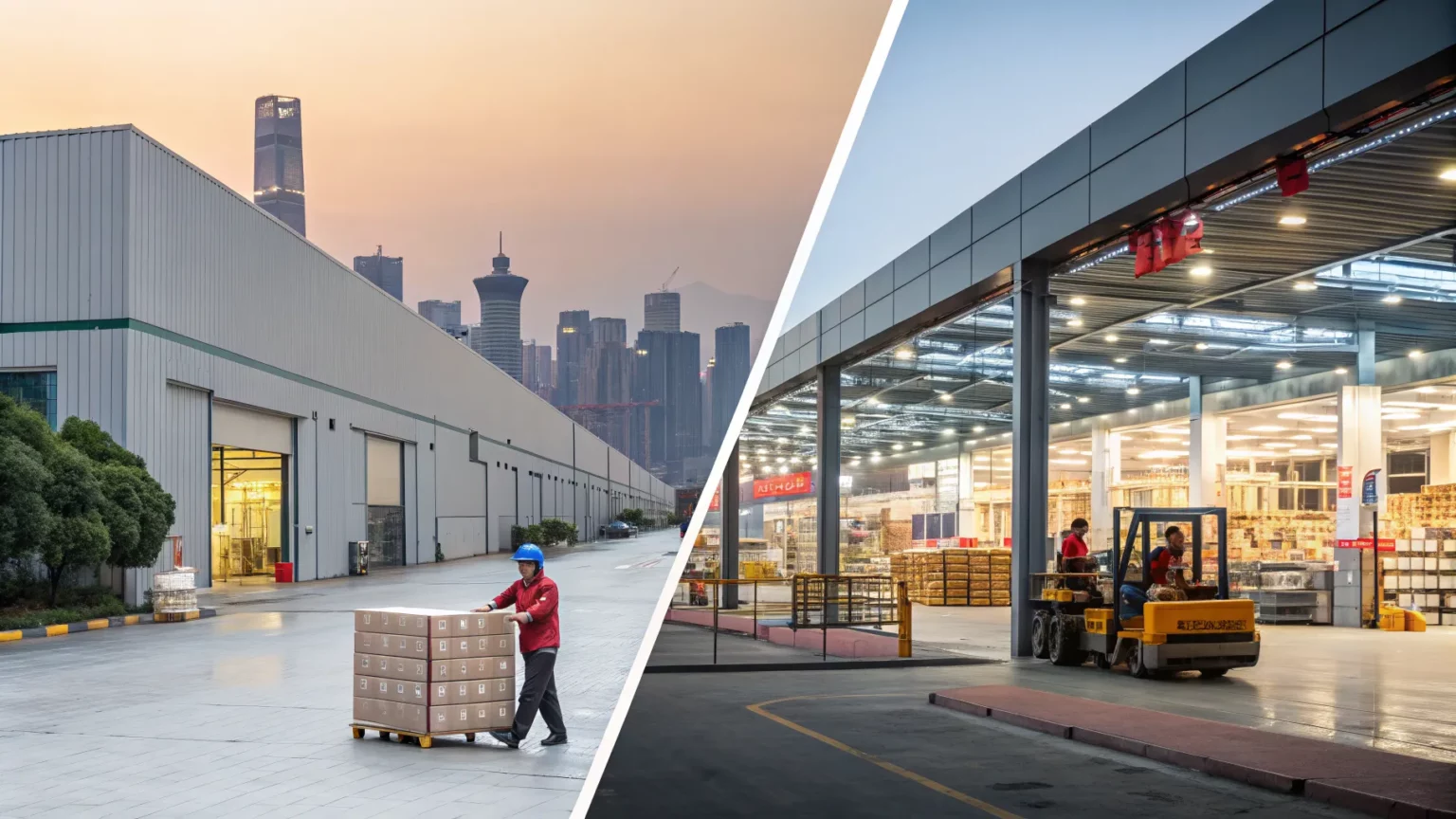
China’s economy is showing a widening split as consumer-facing businesses fall behind industries tied to manufacturing and technology. The divide, visible in recent activity, signals an economy leaning harder on foreign demand while households pull back. The contrast raises questions about the strength and balance of China’s post-pandemic recovery and the policy choices that follow.
Consumer-linked services, retail, and leisure are cooling. At the same time, exporters and high-tech producers are gaining ground. This mix is reshaping growth and adding pressure on officials to boost confidence at home while keeping factories competitive abroad.
“China’s consumer-sensitive sectors are lagging further behind growth in industries linked to manufacturing and tech, illustrating a sharp divide in an economy increasingly exposed to foreign demand.”
Background: A Two-Track Recovery
After reopening, early gains came from travel and dining. Momentum then shifted to factories as foreign orders and new tech investment picked up. The turn reflects long-standing patterns. Manufacturing and exports have often carried expansions when spending at home weakens.
Households still face heavy headwinds. Property values have been soft. That has weighed on spending and confidence. Youth joblessness and cautious hiring have also reduced demand for services and durable goods.
By contrast, producers of electronics, electric vehicles, and industrial equipment have pushed ahead. Their customers are global, and currency moves, supply chain shifts, and aggressive pricing have helped them find buyers.
What the Divide Means for Growth
The split between consumers and producers changes how growth is built and who benefits. Profits and jobs in factories can rise even as storefronts struggle. That creates uneven income gains across regions and sectors.
A heavier reliance on external buyers also adds risk. If overseas demand slows, the drag can be quick and broad. Currency swings and trade tensions can further strain margins and investment plans.
- Stronger exports can support industrial output and equipment investment.
- Weak consumption can limit service jobs and small business revenue.
- Policy support must do more to lift household confidence and spending.
Consumer Headwinds: Confidence and Housing
For families, the property slump has been central. Homes are a large share of wealth. Falling prices make households cautious about big purchases. That hurts auto sales, appliances, and discretionary services.



Uncertainty about jobs makes the pullback worse. Service employers tend to hire when foot traffic is steady and margins are predictable. With softer demand, they delay hiring and expansion.
Savings rates rose during the pandemic and remain high. Many households prefer to hold cash, pay down debt, or shift to lower-risk assets. That leaves less fuel for a broad consumer rebound.
Manufacturing and Tech: Gains and Limits
Manufacturing and technology have leaned on scale, automation, and global markets. Firms are investing in product upgrades and process efficiency. Suppliers in electronics and green energy have seen strong order books.
Yet the model has limits. Overcapacity can appear when many firms chase the same niche. Trade measures in key markets can disrupt plans. Financing costs and profit pressures may rise if price competition intensifies.
Policy Choices and What to Watch
Officials have a familiar toolkit. Tax breaks, fee cuts, and credit support can help factories and startups. Targeted housing measures can steady prices and clear inventory. Income support and consumption vouchers can lift near-term demand.
Longer term, raising household income shares could anchor steady consumption. That includes stronger social safety nets, easier access to services, and reforms that reduce the need for precautionary savings.
Investors and businesses will watch for signals on the policy mix and timing. A stronger push for consumer stimulus would narrow the gap across sectors. A strategy that leans on exports and tech may extend the divide, even if headline growth holds.
Outlook: Balancing External and Domestic Engines
The near-term path depends on how quickly households regain confidence. If hiring improves and housing stabilizes, services should firm. If not, factories and tech could carry growth for longer, but with higher exposure to swings in global demand.
For now, the message is clear. Manufacturing and technology are lifting output, while the consumer side struggles to keep pace. The balance of policies in the next few quarters will show whether the gap closes or becomes the new normal.
China’s next phase will hinge on reviving domestic demand without losing gains in industry and tech. The stakes are high for workers, small firms, and global partners tied to the country’s supply chains.