




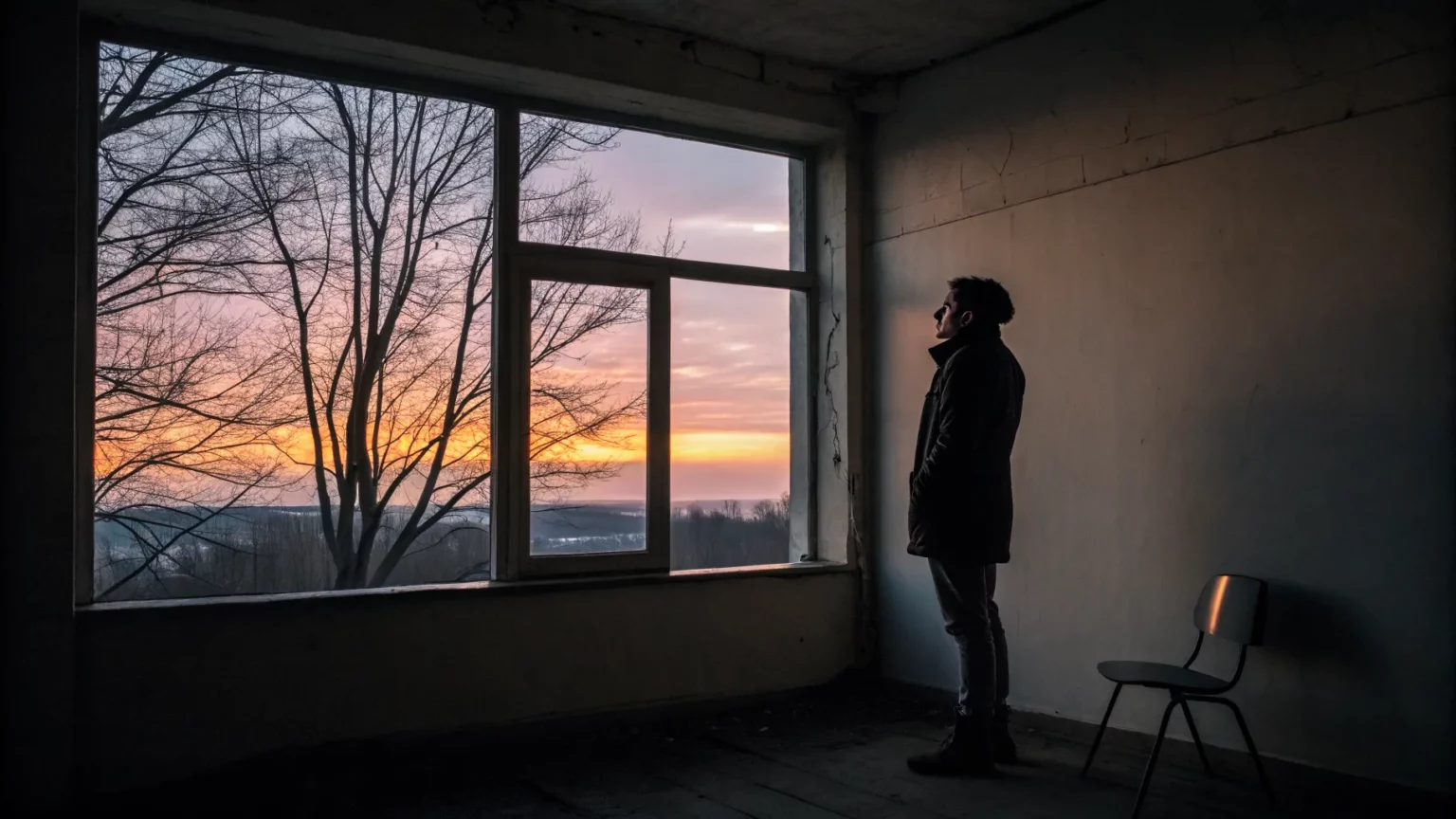
As daylight shrinks and temperatures drop, Americans bracing for a long winter indoors are facing a fresh mental health challenge. The shift sets up a tough season for people already worn down by months of isolation and disrupted routines.
Public health experts warn that shorter days can drain energy and darken mood, especially for those at risk of seasonal affective disorder, or SAD. With many households still spending extra hours at home, the coming weeks could magnify stress for families, essential workers, and anyone juggling caretaking or remote work.
“Sunset is arriving noticeably earlier, meaning less mood-lifting daylight for everyone. The weather is turning colder, so we’ll soon spend even more time cooped up inside.”
Why Shorter Days Hit Hard
Seasonal affective disorder affects an estimated 5% of U.S. adults, according to the National Institute of Mental Health. Many more experience “winter blues,” a milder set of symptoms that still chip away at sleep, focus, and motivation.
Researchers link SAD to reduced sunlight exposure, which can disrupt circadian rhythms and lower serotonin. The change often begins in late fall and can peak in January and February.
This year adds a twist. Months of disrupted schedules, financial strain, and reduced social time have made people more vulnerable to mood dips. For some, the prospect of longer nights and fewer outdoor gatherings feels like running a mental marathon after already sprinting through spring and summer.
What Doctors and Therapists Advise
Clinicians urge simple, steady routines. Morning light, regular sleep, and daily movement can nudge brain chemistry and stabilize mood. Many recommend light therapy boxes, which can help reset the body’s clock when used early in the day.
Teletherapy remains a lifeline for those facing anxiety, grief, or burnout. Cognitive behavioral strategies can counter negative thinking patterns that often spike in dark months. Primary care doctors also point to vitamin D deficiency as a common issue and suggest testing if fatigue lingers.
- Get outside within an hour of waking, even on cloudy days.
- Keep a fixed sleep and wake schedule, including weekends.
- Schedule brief social check-ins to break isolation.
- Use light therapy after consulting a clinician.
- Limit alcohol and news doomscrolling at night.
Communities Seek Small Fixes With Big Payoff
Cities and employers are experimenting with practical supports. Some parks departments are extending trail hours or adding low-glare lighting to encourage safe evening walks. Employers are nudging teams to block lunchtime for movement and to shift nonessential meetings to brighter hours.



Schools are weighing outdoor learning where possible and pushing for mask-friendly, well-ventilated indoor setups that still allow daylight. Community groups are organizing virtual clubs and neighborhood check-ins to fight isolation in colder weeks.
Data, Risk, and Who Feels It Most
Early sunset does not hit everyone the same. People living at higher latitudes report stronger seasonal swings. Night-shift workers, caregivers, and those in small or windowless homes also face higher risk.
Surveys during the pandemic have shown elevated rates of anxiety and depression across age groups. Younger adults reported sharp spikes, often tied to school disruptions and job loss. Older adults, while often more resilient, face loneliness and health worries.
Experts say access to green space matters. Even a short walk near trees or water can lower stress hormones. When outdoor time is limited, moving activities near a bright window can help.
What This Winter May Bring
Public health planners expect a staggered season. As temperatures drop, indoor social time rises, increasing the need for ventilation and masks in shared spaces. Mental health services anticipate steady demand, with more people seeking short-term counseling and group support.
Technology may soften the blow. Wearables that track sleep and light exposure can prompt earlier bedtimes or morning walks. Community dashboards that list open, outdoor-friendly spaces give families safe options for quick outings.
Still, small habits carry the most weight. As one writer put it, earlier sunsets mean less “mood-lifting daylight.” The message is simple: guard the light you have, and add more where you can.
Heading into winter, the playbook is clear. Prioritize morning daylight, routine, and connection. Ask for help early. Watch for sudden mood changes, especially in teens and isolated adults. If communities keep nudging people toward light, movement, and support, the darkest months can feel a little brighter.