




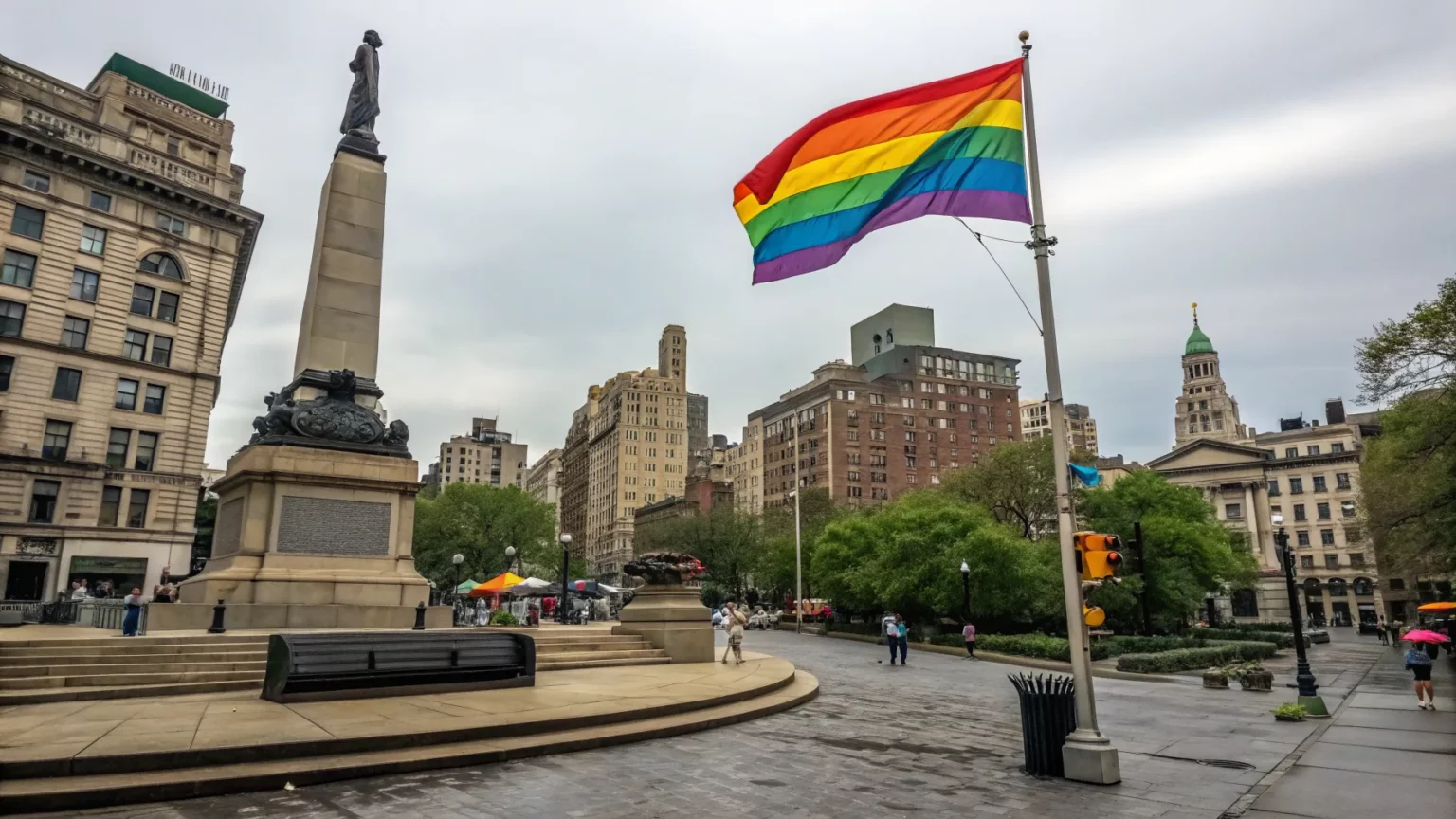
The Trump administration agreed to restore a large rainbow Pride flag to New York’s Stonewall National Monument on April 13, reversing an earlier decision to remove it. The move affects the first U.S. national monument dedicated to LGBTQ history, located in Manhattan’s Greenwich Village. The reversal followed swift pushback from advocates and local officials who said the flag is central to the site’s meaning.
“The Trump administration has agreed to restore a large rainbow Pride flag to New York’s Stonewall National Monument, reversing its decision to remove,” reported Jonathan Allen in New York.
Why the Flag Matters at Stonewall
Stonewall National Monument commemorates the 1969 uprising that began after a police raid at the Stonewall Inn. Those nights of protest helped spark the modern LGBTQ rights movement. The site became a national monument in 2016, recognizing its role in civil rights history.
The rainbow flag has long stood as a symbol of visibility and community. Designed by artist Gilbert Baker in 1978, it appears at marches, memorials, and historic sites. At Stonewall, the flag signals the story the monument tells—one of protest, pride, and public space claimed by people who were once pushed to the margins.
The Reversal and Its Ripple Effects
Restoring the flag ends a brief but intense dispute over how the federal government presents LGBTQ history at a federally managed site. Supporters said the flag’s removal sent the wrong message at a place defined by the fight for inclusion. By agreeing to put it back, the administration avoided a prolonged standoff with city leaders and advocacy groups.
The decision lands ahead of Pride season, when visitors and school groups plan trips that center on Stonewall. Park rangers and local guides say the flag helps orient visitors to the monument’s story before they even cross the street. It is both a marker and a message.
Historical Context and Public Sentiment
For decades, New York City has treated the Stonewall area as a civic classroom. The nearby Christopher Park statues, the bar’s brick facade, and the flag work together as a living history lesson. The lesson is simple: protests here changed the country’s conversation about rights and identity.
Public officials, historians, and community groups often point to Stonewall as proof that local actions can drive national change. Keeping the flag visible reinforces that theme. It turns a patch of sidewalk into shared ground, where a national monument meets neighborhood memory.
Key Dates at a Glance
- 1969: Stonewall uprising begins after a police raid at the Stonewall Inn.
- 1978: Gilbert Baker creates the rainbow Pride flag.
- 2016: Stonewall area designated a national monument.
- April 13: Administration agrees to restore the Pride flag after removing it.
What Comes Next
The restored flag may prompt a broader look at how federal sites display symbols tied to civil rights stories. Policies on signage and flags can vary, and clarity helps avoid repeat fights. Advocates argue that symbols at historic sites should match the site’s core purpose, not shift with changing political winds.



For visitors, the takeaway is more practical. The flag will be back where many expect to find it—flying over a cornerstone of LGBTQ history. For the monument’s stewards, it is a reminder that public history is not just about plaques. It is also about what people can see from across the street.
The decision closes a brief chapter but keeps the focus on the site’s enduring story. Expect more visitors, more school trips, and more photos taken under a familiar set of stripes. The message above the door will match the lessons told inside: pride, protest, and the promise of public space.