




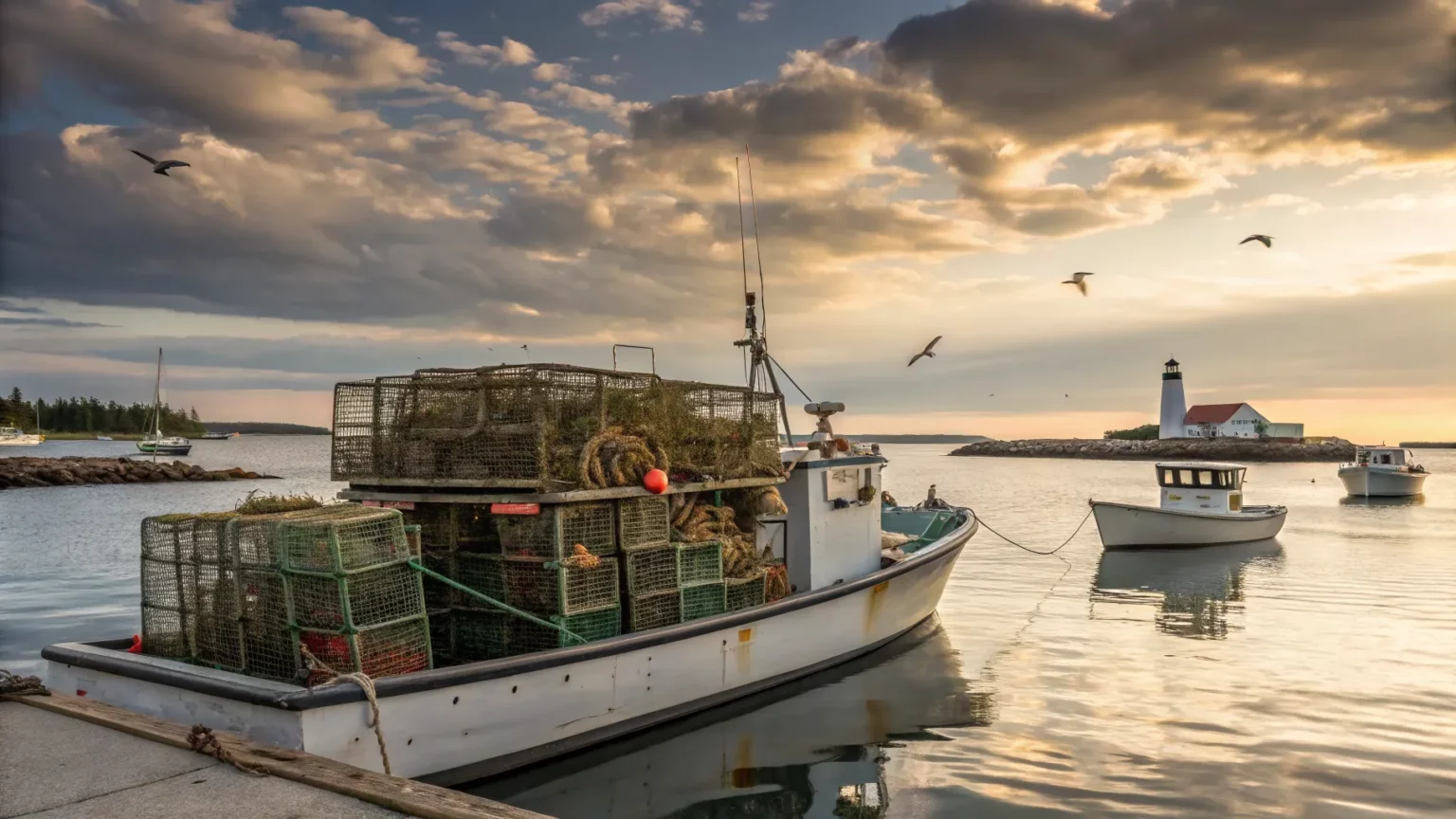
Maine’s lobster harvest fell again last year, marking a fourth straight annual decline, according to state fishing regulators who cited higher business costs, inflation, and a changing ocean. The report, released Friday in Portland, signals ongoing pressure on one of the state’s most recognizable industries and raises fresh questions about the outlook for coastal communities that depend on it.
The lobster fishery is a major economic engine for Maine, shaping local jobs, exports, and tourism. Any sustained dip in catch heightens concerns about earnings for harvesters and dealers, the stability of working waterfronts, and the overall health of the Gulf of Maine.
What Officials Are Saying
“Maine’s catch of lobsters declined for the fourth straight year,” state fishing regulators said, as the industry continued to grapple with soaring business costs, inflation and a changing ocean.
Regulators framed the downturn as part of a broader squeeze. Prices for fuel, bait, and gear have risen, while operating expenses across the supply chain have climbed. Shifts in ocean conditions add another layer of uncertainty for a fishery that relies on predictable seasonal patterns and habitat.
Costs Weigh on Boats and Docks
Higher costs can quickly erode margins in a fishery where weather, market prices, and catch rates already fluctuate. Many small, family-operated boats have little room to absorb new expenses. Dealers and processors also face higher transportation, packaging, and financing costs, which can ripple back to dock prices.
- Fuel and bait have remained expensive compared with prior years.
- Gear, maintenance, and insurance costs have increased.
- Inflation raises everyday expenses for crews and businesses ashore.
These pressures compound the hit from a smaller harvest. Even steady consumer demand cannot fully offset the math when volumes are down and costs are up.
Changing Ocean Adds Uncertainty
Regulators point to a “changing ocean,” a phrase that captures shifts in water temperature, currents, and habitat conditions that can influence lobster migrations and survival rates. When environmental signals change, the timing and location of catch can become less predictable, and trips can become less efficient.
Such swings can also complicate long-term planning. Boat owners weighing investments in new gear or engines often count on stable catch trends. Dealers planning staffing and cold storage need confidence in supply. Volatility undermines both.
Industry Response and Community Impact
Harvesters have responded with caution, trimming trips when prices do not justify fuel and bait or waiting for better tides and weather windows. Shore-side businesses report tighter hiring and more focus on inventory management to avoid overextending during slow periods.


For coastal towns, a softer harvest year affects more than boats. Fewer landings can mean less work for truckers, packers, and seasonal workers. Local restaurants and shops may feel the pinch when fishing incomes dip. The effect is uneven, varying by port and by how dependent each town is on lobster compared with other fisheries and tourism.
Market Signals and What to Watch
Demand for lobster tends to surge during holidays and summer travel season. If supply remains tight, retail and restaurant prices could stay firm. That may help some harvesters when dock prices rise, but only if the gains offset higher expenses and lower volumes.
Stakeholders will watch several signals in the months ahead:
- Spring and early summer haul trends along the coast.
- Dock price movements relative to fuel and bait costs.
- Reports on ocean conditions that influence lobster distribution.
Regulators and industry groups are likely to compare this year’s data with the past four seasons to judge whether the slide is moderating or deepening.
The latest decline adds pressure to an industry built on resilience and local knowledge. While higher costs and shifting seas are hard to control, steady coordination among harvesters, dealers, and state officials could soften the shocks. The next test arrives with the coming summer season, when ocean conditions and market demand will set the tone for the year ahead.