



As energy prices spike and supply risks rise, a new argument is gaining ground: national self-interest may do more for climate action than appeals to solidarity. Policy advisers and analysts say security concerns are pushing governments to back domestic clean power, faster permits, and local manufacturing.
The discussion comes amid fresh turmoil in the Middle East and a costly fuel crunch that has pressured households and industries. Advocates say the fastest path to stability is building more power at home. Skeptics warn that a turn inward could raise costs and slow global cooperation.
“World leaders have tried and failed to curb climate change by appealing to nations to act for the common good. Now, the Iran war and its costly energy crunch have some experts wondering if selfishness and nationalism may be a more likely way to save the planet, by boosting support for homegrown …”
From Global Good to Self-Interest
For decades, climate diplomacy relied on voluntary pledges and shared goals. Progress has been uneven. Emissions kept rising, while negotiations struggled with burden-sharing. The recent shock to oil and gas supplies revived a familiar policy idea: energy independence.
Analysts point to how earlier fuel crises spurred shifts. The 1970s oil shocks accelerated efficiency standards and nuclear programs in several countries. More recently, the 2022 gas shortfall in Europe led to record additions of wind and solar, according to the International Energy Agency (IEA). The same logic now guides a wave of incentives for heat pumps, grid upgrades, and battery factories.
Security Case for Clean Energy
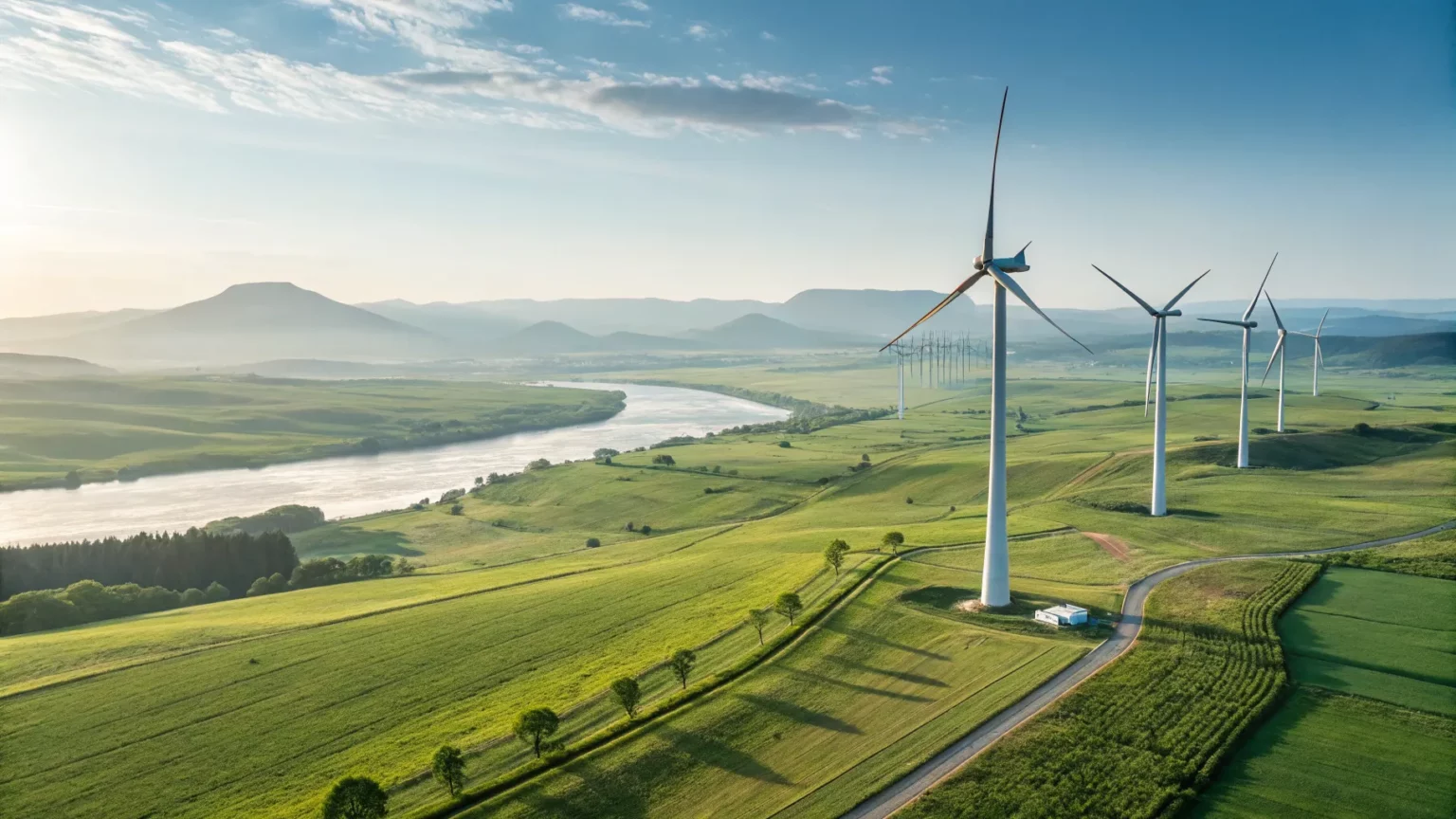
Experts say clean power reduces exposure to volatile fuel markets. Solar, wind, and storage draw from domestic resources. Electrification cuts import bills and shields consumers from price swings.
- Faster build-out of renewables can replace fuel imports.
- Efficiency lowers demand, freeing capacity for industry.
- Local manufacturing shortens supply chains and creates jobs.
Several governments have framed recent measures as security policy as much as climate policy. Tax credits for green tech, procurement rules, and strategic stockpiles of critical minerals reflect that shift. The IEA has reported steady growth in clean energy investment since the last major energy shock, with grids and storage identified as core to resilience.
Risks of Green Nationalism
Not everyone sees a clear win. Trade barriers can raise costs and slow deployment. Critical minerals are concentrated in a few countries, so new bottlenecks may replace old ones. If each nation builds only at home, projects could miss scale benefits and delay emissions cuts.
Human rights groups also warn that rushing projects without community consent can backfire. Poorly planned mines or transmission lines can spark local resistance. Economists add that duplicative subsidies may divert funds from cheaper emissions cuts elsewhere.



Balancing Speed, Cost, and Cooperation
Policy advisers argue for a blended approach. Use security-driven incentives to speed domestic build-out, while keeping markets open for affordable equipment. Pair new factories with recycling, workforce training, and environmental safeguards. Coordinate on standards so cross-border power flows and EV charging work smoothly.
Regional partnerships can help. Shared grids, joint storage, and pooled orders for key materials lower risk. Transparency on stockpiles and supply chains can cut panic buying during shocks. Multilateral lenders can steer capital to transmission and resilience in emerging markets, where demand is growing fastest.
What to Watch Next
The test is whether security framing leads to durable policy. Voters often support measures that cut bills and create local jobs. If clean power delivers both, political backing may last. Watch for three markers:
- Permitting reforms that speed siting without gutting safeguards.
- Long-term funding for grids, storage, and flexible demand.
- Trade deals that secure minerals while keeping equipment affordable.
The latest energy shock has revived a hard lesson: dependence on volatile fuels carries economic and political costs. If self-interest now drives faster clean energy build-out, emissions could fall even where global appeals have stalled. The risk is fragmentation and higher prices if countries wall off markets. The opportunity is a pragmatic mix of homegrown power, smarter cooperation, and steady investment that makes energy both cleaner and safer. The coming year will show whether leaders can turn crisis politics into lasting gains.