




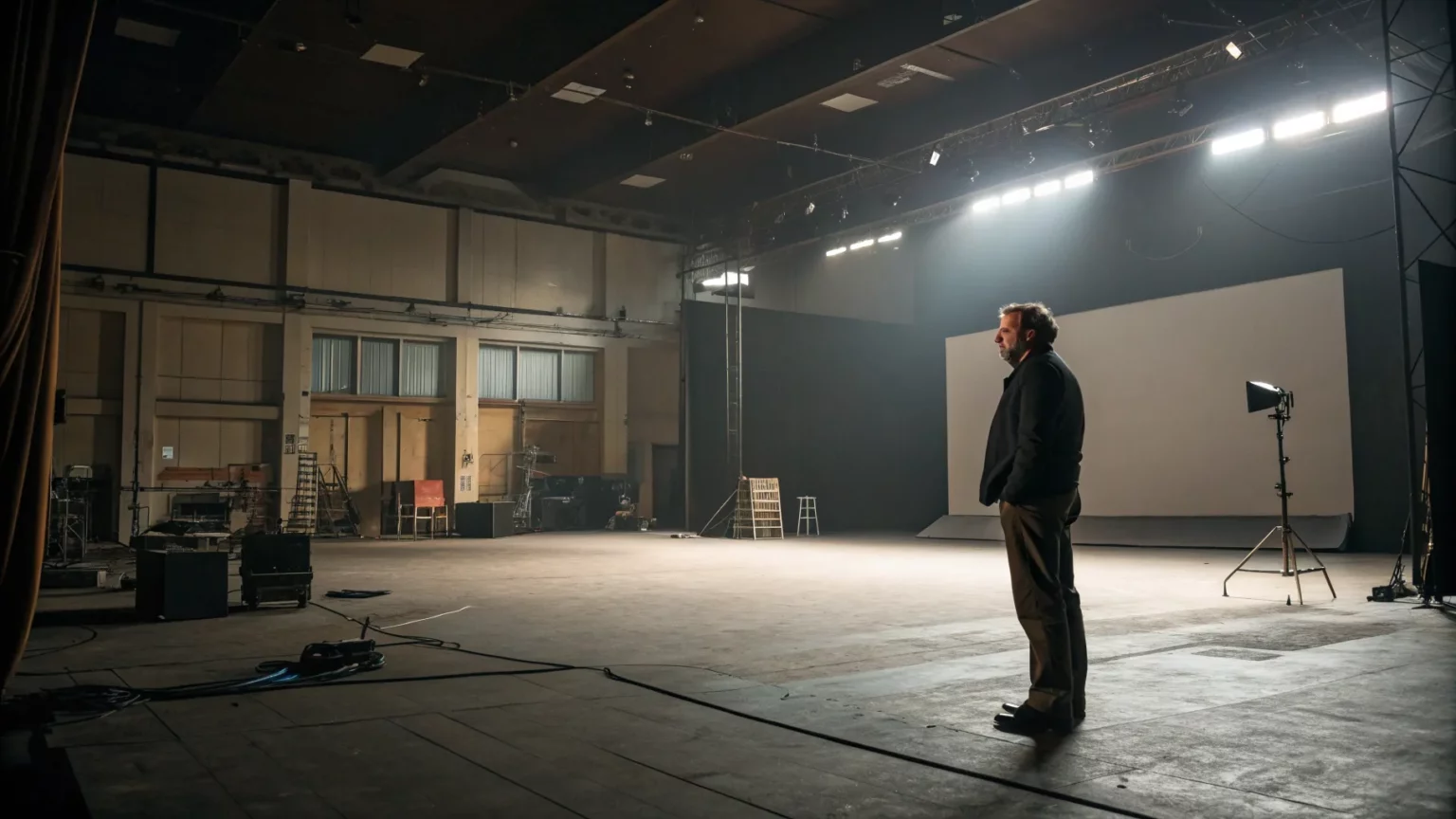
In Atlanta, a once-booming film hub, crew members who powered Georgia’s rise are now scrambling for work and basic support. The shift is stark for workers like Chris Ratledge, a 48-year-old digital imaging technician who moved to Georgia in 2017. He says he once earned up to $9,500 a week during busy production runs. Today, he relies on food assistance as jobs dry up and sets sit quiet.
The downturn follows years of rapid growth fueled by Georgia’s generous film tax credits. Productions flocked to the state, building soundstages and hiring local crews. But a slowdown in new projects, combined with industry labor disruptions and tighter financing, has left many workers in limbo.
How Georgia Became a Filming Powerhouse
Georgia’s film and TV surge began more than a decade ago with a state incentive program that offers production companies tax credits of up to 30 percent. Those credits, transferable and widely used, changed the map for feature films and streaming series.
State economic reports in recent years have pointed to more than $4 billion in annual direct production spending. Major studios built long-term footprints. Local vendors expanded. Schools added programs to train crew members. Thousands of jobs followed, from camera teams and lighting techs to carpenters and caterers.
That momentum also made Georgia sensitive to industry shocks. When studios pause projects or scale back orders, the ripple hits freelancers first. Many rely on steady rotations of short-term gigs to make a living.
Workers Caught Between Booms and Busts
Ratledge’s story mirrors a broader pattern. Crew members say gaps between jobs have grown longer, while day rates and overtime have become less predictable. Some have taken temporary work in adjacent fields. Others are leaving the industry or the state.
“I used to make as much as $9,500 a week working on film sets around Atlanta. Now, I’m on food stamps,” said Ratledge, who moved from Indiana in 2017.
Housing costs and inflation add pressure. Savings that were built during peak seasons have thinned. The strain is visible at local food banks and union support programs, according to workers who describe a sharp rise in need this year.
Vendors and small businesses that serve productions report similar pain. Fewer shoot days mean fewer rentals, fewer meals ordered, and fewer crews traveling across metro Atlanta.


Studios, Unions, and the Policy Debate
Studio executives point to a mix of forces shaping the slowdown. These include uncertain greenlights from streaming platforms, slower advertising markets, and disruptions from recent labor strikes. Many projects that would have filmed in Georgia stalled on the runway.
Unions and guilds warn that sustained delays could lead to a permanent loss of skilled workers. They argue that the state’s film workforce is an asset built over years and at risk if crews cannot count on consistent work.
Policy advocates continue to defend the tax credits, saying they anchor long-term investment. Critics push back, questioning whether the incentives deliver broad public benefits during downturns. Lawmakers have periodically reviewed the program’s cost and structure, but major changes have been rare.
What the Numbers Say
Recent state tallies show strong multi-year spending totals, but the figures also reflect volatility from season to season. Crew hiring follows that pattern. When a handful of tentpole projects delay, the local pipeline can dry up.
- Georgia’s tax credit can reach 30 percent, depending on in-state spending and use of a state logo.
- Direct production spending has topped $4 billion in several recent years, according to state data.
- Workflows are now uneven, with longer gaps between shoots reported by crew members.
Comparisons with other hubs show a similar cooling. States like New Mexico and cities like Toronto and Vancouver have also seen pauses as studios reassess schedules and budgets. The pressures are industry-wide, but Georgia’s large base makes the effects more visible.
Outlook and What to Watch
Industry officials expect activity to pick up as delayed projects restart and budgets clear. The timing remains uncertain. A faster rebound would steady day rates and refill call sheets. A slower one could push more workers out of the field.
Local training programs continue to produce new talent. Soundstage expansions announced before the slowdown are still moving ahead. Those signs point to long-term confidence. But for workers living gig to gig, the near-term question is simple: when the next job will arrive.
For Ratledge and many peers, the stakes are immediate. Steady shoots would mean a return to full paychecks and a path off public assistance. Without them, the strain grows, and the industry Georgia built could lose the crews who made it possible.
Georgia’s film sector has weathered cycles before. The next few months will show whether that resilience holds, or whether more workers decide their future lies off set. For now, crews are waiting for the cameras to roll again.