



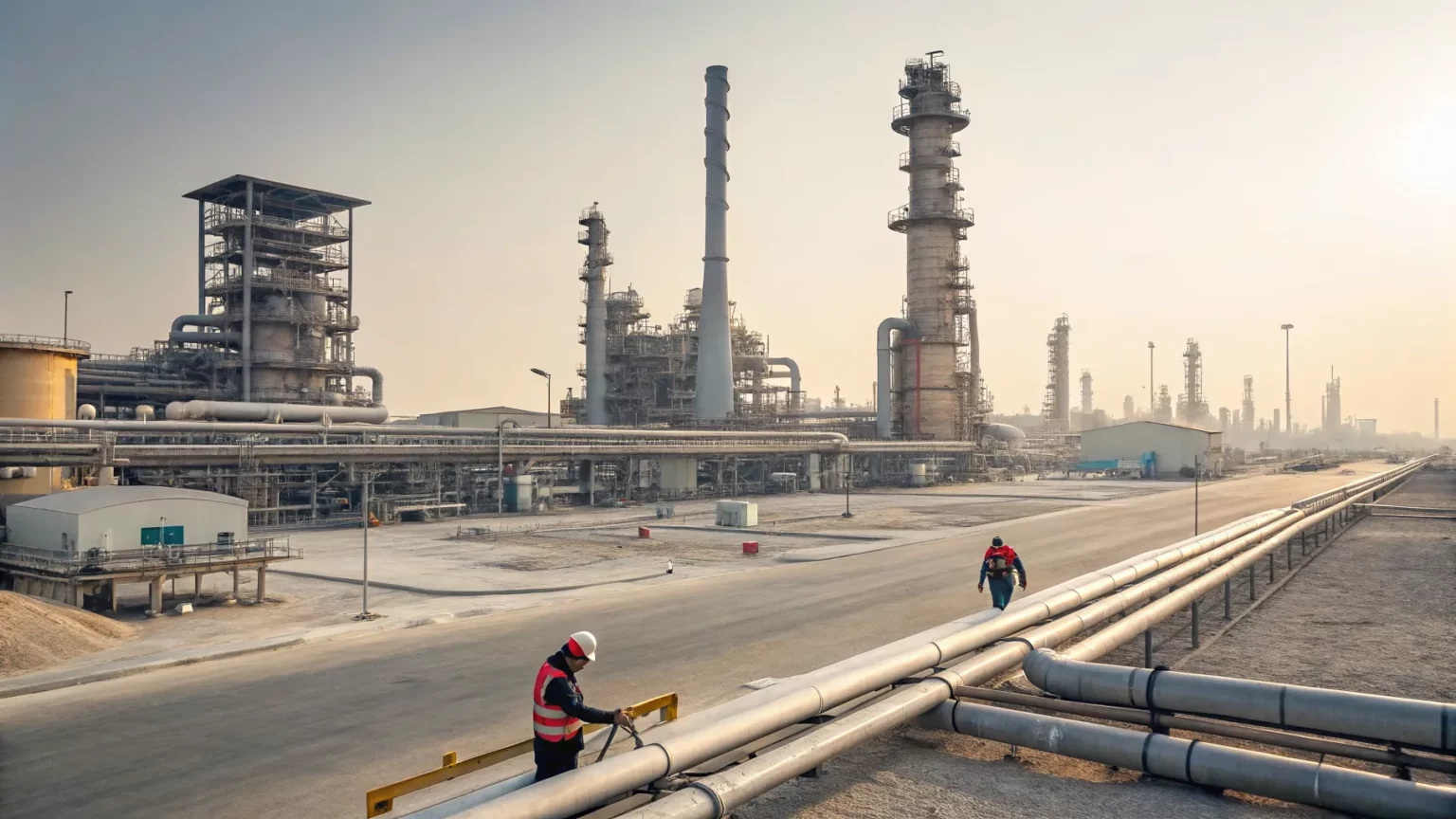
Iranian strikes on Qatar’s Ras Laffan industrial city have halted major liquefied natural gas production, triggering force majeure notices and jolting global energy markets. The shutdown at one of the world’s largest LNG hubs raises urgent questions over supply security as winter stockpiling accelerates across Europe and Asia.
The incident hit facilities that anchor Qatar’s gas exports, a core supply route for buyers from the European Union to Northeast Asia. LNG traders signaled immediate concern about shipping schedules, cargo availability, and short-term price spikes. Early indications point to a pause at multiple liquefaction units, prompting sellers to invoke force majeure to suspend delivery obligations.
What Happened and Why It Matters
Iranian strikes on Qatar’s Ras Laffan facilities have halted major LNG production, causing force majeure declarations and raising concerns over supply disruptions.
Ras Laffan is the hub for Qatar’s LNG industry, processing gas from the massive North Field. Qatar is a top LNG exporter, and its steady deliveries underpin energy planning for power generators, heavy industry, and city gas networks worldwide. A sudden outage there tightens a market already shaped by post-2022 rerouting of cargoes and strong Asian demand.
Force majeure is a legal step companies use when events outside their control prevent performance. It can temporarily free sellers from contracted deliveries, though it often triggers disputes over duration, alternative supply, and compensation.
Market Impact: Prices, Contracts, and Risk
Spot LNG prices are likely to jump as buyers scramble to cover gaps. Long-term contracts may cushion some customers, but reduced output can still delay cargoes and force rescheduling. Portfolio players will try to reshuffle supplies across the Atlantic and Pacific basins, but shipping capacity and voyage times limit options.
European utilities have worked to build storage, yet a sudden cut in Qatari volumes could push them back to the spot market. Asian buyers, used to competing fiercely in winter, may bid higher to secure near-term shipments. Power and heat providers face a familiar dilemma: pay more for prompt cargoes or curb consumption.
Historical Context and Security Concerns
The energy sector has seen similar shocks disrupt global supplies, such as the 2019 strikes on Saudi oil processing infrastructure and attacks on gas facilities in North Africa over the past decade. LNG chains are particularly sensitive to outages at liquefaction plants, where a single unit can represent significant daily volumes.
Ras Laffan’s coastal location concentrates processing, storage, and loading in a tight zone. That boosts efficiency but amplifies the effect of a targeted strike. Insurance premiums for ships and coastal assets may rise. Some shipowners could seek different loading windows or temporary diversions if risks remain elevated.


Shipping and Infrastructure Bottlenecks
If the outage persists, the LNG fleet will face scheduling knots. Cargoes may queue for new loading times, raising demurrage costs. Any rerouting to alternative suppliers lengthens voyages and ties up vessels for longer, reducing effective supply.
- Near-term spot prices may rise on tighter supply.
- Contract disputes could emerge over delivery delays.
- Insurance and security costs are likely to increase.
- Shipping schedules may slip, adding to volatility.
Voices From the Industry
Traders described a scramble to locate prompt cargoes and secure floating storage as a buffer. Utility risk managers highlighted exposure to cold-weather demand surges. Shipping executives focused on crew safety, port conditions, and access to terminals near the Gulf.
Analysts said the duration of the outage will determine the depth of market damage. A swift restart would blunt the shock. A prolonged halt could reshape winter procurement strategies and revive coal or oil switching at utilities seeking backup fuel.
What Comes Next
Restoration work, safety checks, and security assessments will drive the timeline for resuming output. Buyers will watch for signals on which liquefaction trains restart first and how many cargoes can be lifted in the next few weeks. Repair updates and shipping advisories will guide short-term price moves.
Governments may tap stored gas or coordinate regional swaps to ease pressure. If outages spread or risks intensify, importers could activate contingency plans, including demand reduction measures and emergency auctions for supply.
For now, the market is bracing for tighter balances, higher volatility, and renewed focus on supply diversification. The outcome hinges on repair speed and the security picture at Ras Laffan. If those stabilize quickly, damage may be contained. If not, a fragile LNG market faces another hard test as peak demand approaches.