



What once looked like casual endorsements is now a major part of the beauty business, reshaping store shelves and supply chains from Los Angeles to New York. Star-led lines selling tinted creams, lip oils, and skin care are claiming real market share as retailers chase steady demand and fans treat products like merch. The shift is forcing traditional brands to rethink strategy and giving shoppers more choices at every price point.
Why Star Power Is Now Serious Business
Celebrities hawking tinted creams and lip plumping oil aren’t just side projects.
The beauty sector has long relied on famous faces to boost sales. Today, those faces often sit on the label. The global beauty market reached roughly $430 billion in 2022 and is projected by industry analysts to approach $580 billion by 2027, growing faster than many consumer categories. That growth, paired with high margins and repeat purchasing, makes cosmetics and skin care attractive for entertainers who already command attention online.
The model has evolved from one-off collaborations to brand ownership. Deals now include equity, creative control, and multiyear retail partnerships. Social media shortens the gap between launch and sellout, while contract manufacturers lower barriers to entry for small teams.
The Economics Behind the Hype
Profit potential helps explain the surge. Beauty often carries gross margins of 60% or more for premium products. Marketing costs can be lower when a founder has millions of followers. That changes the math on customer acquisition compared with non-celebrity startups.
Analysts point to several proof points. Coty bought a 51% stake in Kylie Cosmetics for $600 million in 2019, signaling confidence in celebrity-led demand. Reports suggest Rare Beauty by Selena Gomez has generated hundreds of millions in annual sales, driven by viral blush and lip products. Rhode by Hailey Bieber drew long waitlists and rapid restocks during its first full year.
- High-margin hero items, like lip oils and tints, anchor product lines.
- Limited drops and shade extensions create repeat “events.”
- Affiliates and creator reviews amplify reach at low cost.
Retailers also benefit. Exclusive launches drive store traffic, help loyalty programs, and create social buzz without heavy ad spend.
Retailers Bet on Shelf Space
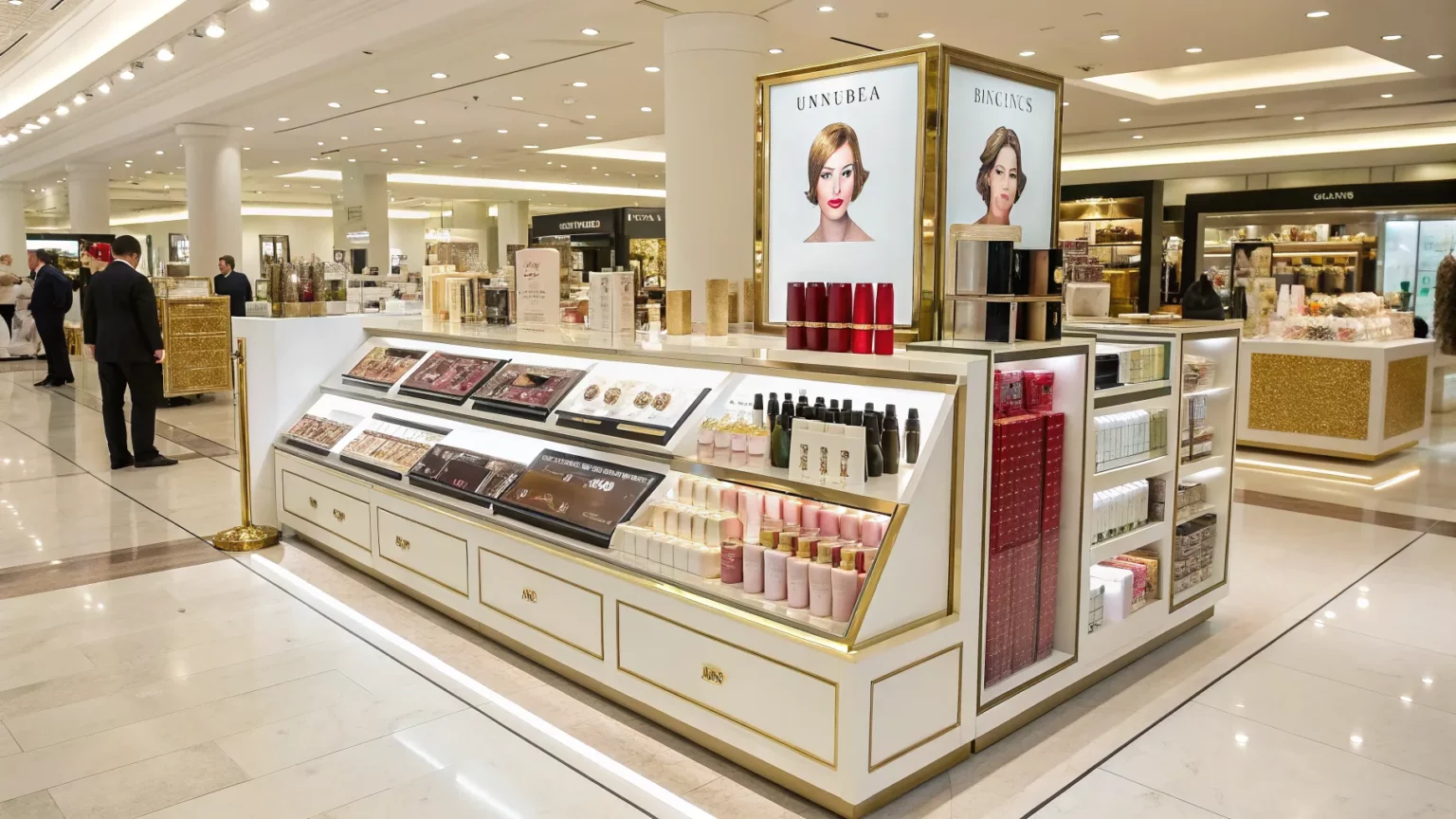
Sephora and Ulta have turned celebrity lines into destination draws, giving them end caps, in-store fixtures, and staff training. When a brand hits a viral moment on TikTok or Instagram, stores can see inventory swing within days. That speed has pushed buyers to shorten testing windows and expand cross-channel forecasting.
Department stores and specialty players are following suit, using events and limited bundles to keep momentum. The effect is most visible in color cosmetics, where a single hit lip oil or skin tint can pull a shopper into a broader routine.


Risk, Regulation, and Authenticity
The boom has limits. Some star brands fade after an initial spike if products underperform or if the founder’s audience does not match the category. Supply issues, shade-range criticism, and copycat formulas can also stall growth.
Regulators are watching. The Federal Trade Commission updated endorsement guidelines in 2023 to stress clear disclosures on paid content and gifted products. Beauty brands must ensure claims are truthful and that influencers label posts plainly, or face penalties.
Consumers are demanding more transparency on ingredients and ethics. Refill programs and simpler INCI lists are becoming table stakes, not nice-to-haves. Reviews can make or break a launch within hours.
What to Watch Next
Three trends will shape the next phase. First, skin care and hybrid makeup-skin products should keep gaining, as shoppers look for multitaskers that deliver visible results. Second, global expansion is accelerating, with North American hits entering Europe and parts of Asia through retailer partnerships and cross-border e-commerce. Third, consolidation is likely, as strategics and private equity seek proven lines with strong repeat rates and defensible hero products.
For incumbents, the lesson is clear: invest in community, move faster on product cycles, and back claims with testing. For celebrities, the path now demands more than a name. It requires long-term product strategy, credible R&D partners, and real-time engagement with fans.
The star brand wave has matured from novelty to core segment. As retailers refine assortments and consumers reward quality over hype, the winners will be those that pair influence with performance—and keep delivering products people actually finish.